
Last updated November 16, 2026
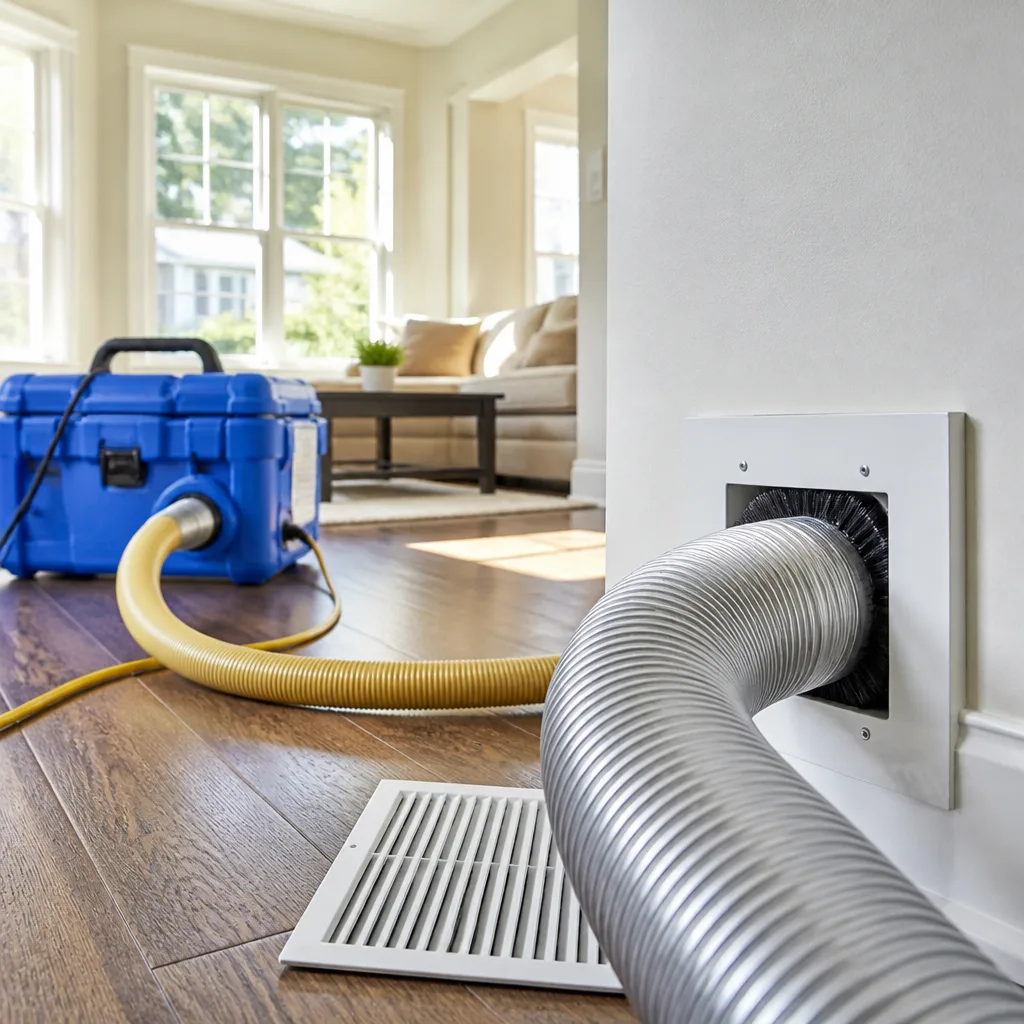 Whole-home duct cleaning
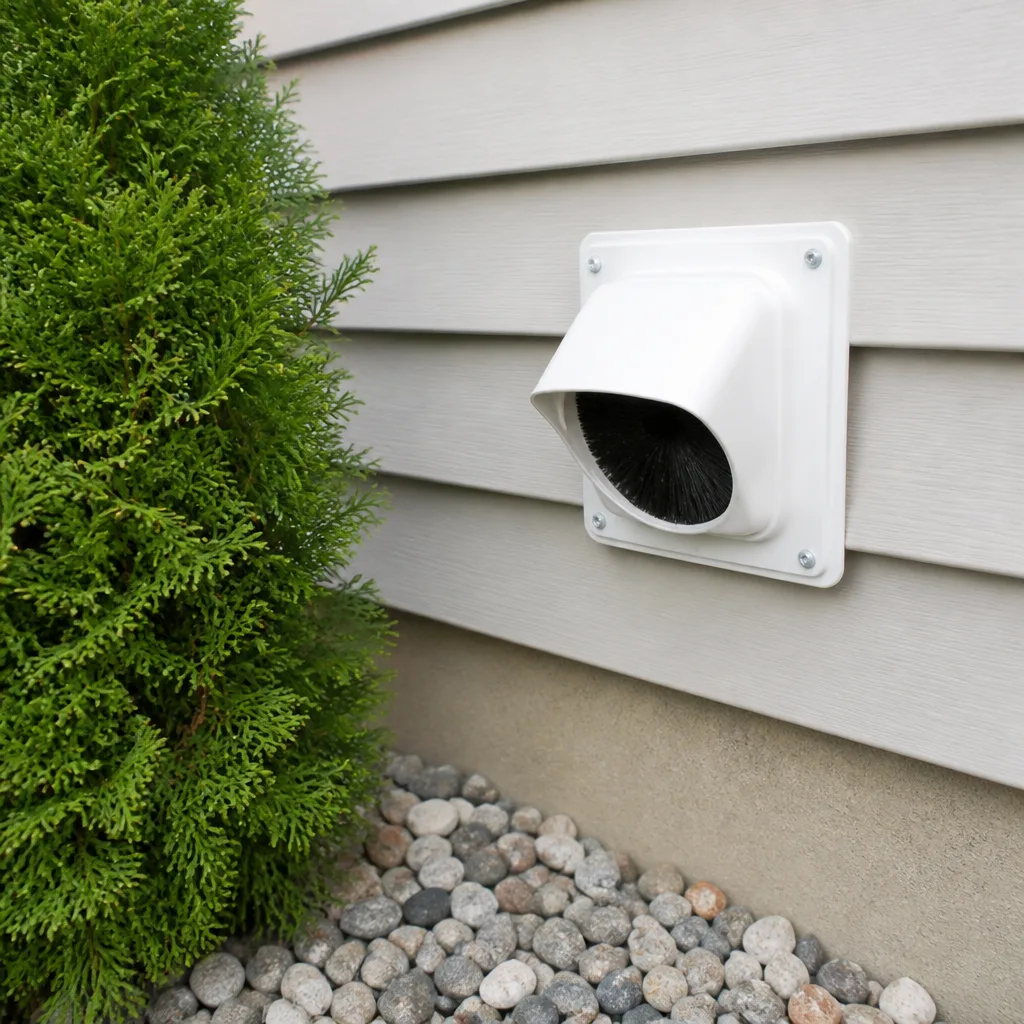 Dryer vent cleaning
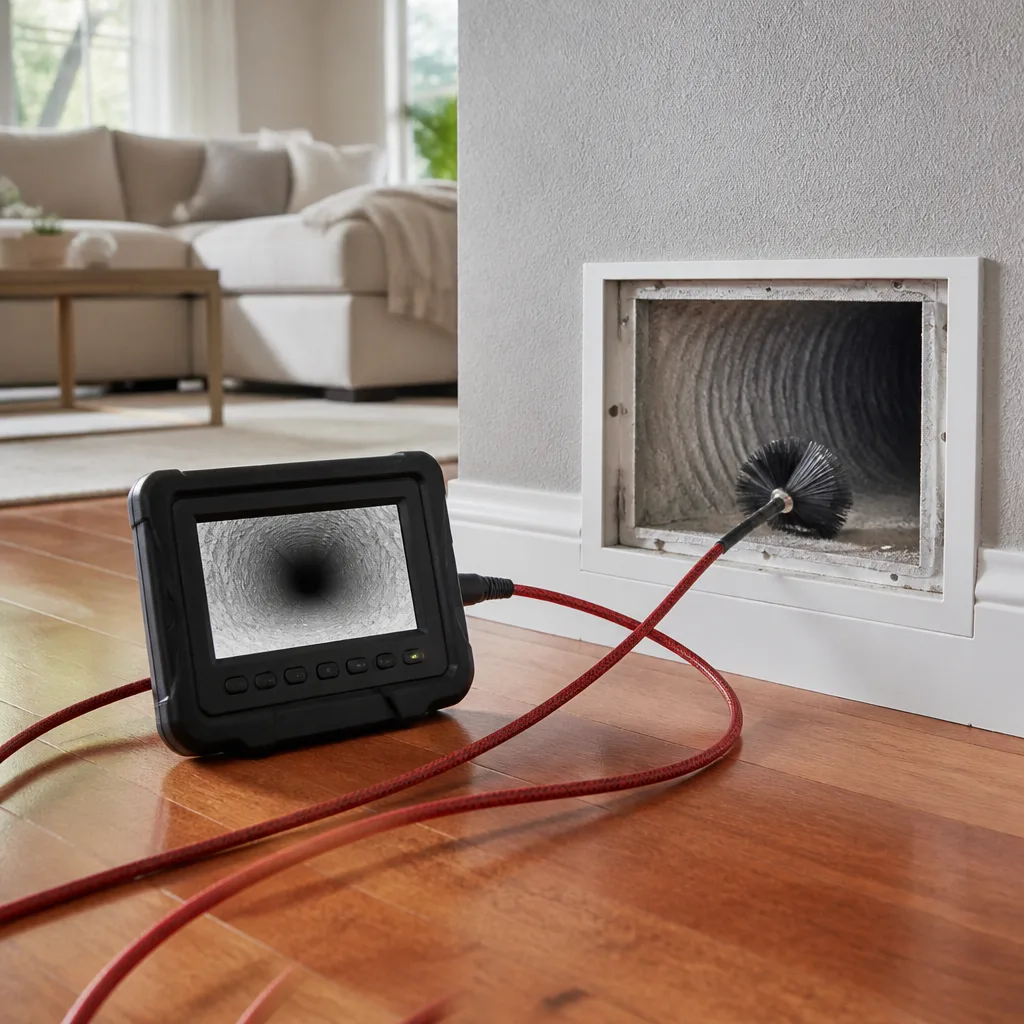 Camera inspection
 Sanitizing & deodorizing
Whole-system duct and dryer vent check with before-and-after photos - you see exactly what came out of your vents
That "$99 whole-house special" is a bait ad - the real number appears once they are in your hallway, or the "clean" is a shop-vac at the register. We photograph the inside of your ducts before and after instead.
Air Duct Cleaning Maintenance Checklist for Westminster Homeowners
Most duct maintenance advice you’ll find online is a filter-change reminder dressed up as a checklist. That misses the point. Your filter catches what it catches, but the ducts behind it keep accumulating what gets past – and by the time you notice a problem through symptoms like stale odors or uneven airflow, the contamination has been building for months. The counterintuitive part is this: a homeowner who can read the early signs at the register level spends far less on reactive cleaning than one who waits for the air in the house to feel wrong. This guide gives you the inspection points a technician actually uses between full cleanings, so you can monitor your own system in Westminster and know when to call.
Quick Answer
A practical air duct maintenance checklist for a Westminster home comes down to four repeatable habits: check every register with a flashlight and phone camera once a season, track how fast your filter loads, log what you find with dates, and schedule professional contact cleaning when the evidence points to buildup beyond the grille. Most homes here need a professional duct cleaning every few years, not every year – the interval depends on your home’s specific triggers, not a calendar. The checklist below shows you exactly what to look for and how to read it.
Styles & brands we work with
- Whole-home duct cleaning
- Dryer vent cleaning
- Camera inspection
- Sanitizing & deodorizing
Table of Contents
- The Register-by-Register Inspection Protocol
- Reading Discoloration Patterns: What’s Normal and What Isn’t
- Tracking Filter Loading Rate as a Duct Cleanliness Proxy
- Westminster-Specific Triggers That Accelerate Buildup
- What You Can Clean Yourself vs. What Needs Professional Extraction
- How to Log Inspections So a Contractor Sees Trends, Not a Blank Slate
- Building a Seasonal Rhythm Around Colorado’s Climate
- The Dryer Vent: A Separate Checklist With Its Own Safety Stakes
The Register-by-Register Inspection Protocol
You don’t need special tools to spot early-stage duct fouling. A bright flashlight, your phone camera, and fifteen minutes per season will tell you more than any generic online quiz. The key is doing it the same way every time, so you’re comparing apples to apples when you check again months later.
Here’s the protocol we recommend to homeowners across Westminster:
- Turn the system off before you start. You want settled dust, not dust being blown at your face.
- Remove each supply register cover – most pop off with a firm pull or two screws. Set them aside where you won’t step on them.
- Shine the flashlight straight up or down the boot (the short duct section connecting the register to the main trunk). Look at the visible duct wall, not just the grille.
- Take a phone photo of the same spot every time. Use the flash. This is your baseline. Date the photo in your camera roll or a note.
- Check the return air grille last. Returns pull air in, so they typically show more dust than supplies. That’s normal – what matters is the pattern.
- Note any register that looks noticeably worse than the others. A single dirty register often means a leak or a disconnected run nearby, not a whole-system problem.
Do this at the start of heating season and again before cooling season. Two checks a year is enough for most Westminster homes. If you’ve had recent construction, wildfire smoke events, or a renovation, add a check right after.
Reading Discoloration Patterns: What’s Normal and What Isn’t
Not all dust inside a duct is a problem. A light, even film of gray dust on duct walls is normal in any home – it’s the accumulation pattern that tells you whether buildup is active or dormant.
Here’s how to read what you’re seeing:
- Thin, even gray film: Normal. This is ambient household dust settling on surfaces. Not a reason to call anyone.
- Dark rings or halos around the register edges: Also usually normal. These are the “dust rings” that form where airflow meets the grille edge. Wipe them down and move on.
- Thick, fuzzy, or matted buildup on duct walls: Not normal. This suggests active accumulation, often from a filter that’s been running too long or a return-side leak pulling in unfiltered air.
- Black or dark brown staining on the boot or nearby building materials: Take it seriously. Dark staining can indicate moisture, and moisture in a duct system invites mold. Stop inspecting, don’t disturb it, and get a professional evaluation.
- Visible debris like drywall dust, sawdust, or insulation fibers: A clear sign of contamination from a specific event – a renovation, a construction project nearby, or a failed duct connection. This is when contact cleaning earns its keep.
- Pest evidence (droppings, nesting material, gnaw marks): Call a professional immediately. This is a health and safety issue, not a maintenance item.
The single most useful thing you can do is photograph the same register every time you check. A duct that looked the same for a year and now looks noticeably darker is telling you something changed upstream. That’s your cue to investigate before the problem spreads to the whole system.
Tracking Filter Loading Rate as a Duct Cleanliness Proxy
Your filter is a diagnostic tool, not just a consumable. The speed at which it loads is a direct signal of how much contamination is upstream in the ducts and how hard the system is working to move air through them.
Here’s a simple tracking method:
- Write the install date on the filter edge with a marker when you put a new one in. Note the filter’s MERV rating on your log.
- Check it monthly by holding it up to a light. If you can’t see light through it, it’s loaded.
- Record the load date – the day you actually need to replace it. Compare that interval to the filter manufacturer’s recommendation.
- Watch for acceleration. If a filter that used to last three months now loads in six weeks, that’s a warning sign. Something upstream is generating more particulate than usual.
Faster loading almost always points to one of three things: a return-side leak pulling in attic or crawlspace air, a recent construction or renovation event, or accumulated contamination in the ducts themselves that’s now being disturbed by normal airflow. In Westminster’s climate, a filter that loads quickly in late summer often tells you the ducts picked up smoke particulate during a wildfire event and haven’t been professionally cleaned since.
One caution: don’t chase this problem by installing an ever-higher MERV filter. A filter rated too high for your system’s blower can restrict airflow and cause its own problems. If you want to upgrade filtration, that decision is best paired with an evaluation of the system – which is why we work with Aprilaire and Honeywell filtration systems: the same technician who inspects your ducts can tell you whether your system can handle a higher-efficiency filter without strain.
Westminster-Specific Triggers That Accelerate Buildup
Westminster sits in a place where duct systems take a specific kind of beating. The Front Range’s dry air, seasonal wind events, and the way the metro has grown mean local homes face contamination triggers that a homeowner in a humid climate simply doesn’t.
Watch for these local triggers and add an inspection (and possibly a professional cleaning) after each one:
- Wildfire smoke events. When summer smoke settles over the Denver metro, fine particulate finds its way into homes through doors, windows, and any gap in the return side of the system. Filters catch some of it, but the ducts downstream accumulate the rest. If you can see or smell smoke indoors for more than a day, note it in your log and inspect registers within a few weeks.
- Construction next door. New builds and major remodels in your neighborhood kick up fine dust that travels. Homes in and around the older and newer parts of Westminster both feel this – a neighbor’s foundation pour or roof replacement can load your system even if your own house is untouched.
- A basement finish or attic conversion. Any time you finish space inside the home, drywall dust and construction particulate get into the duct system unless the ducts are sealed off during the work. Assume contamination and get the ducts inspected afterward.
- Drought and wind. Dry, windy stretches push fine soil and dust into any gap in the building envelope. Homes near open space or larger lots tend to see more of this.
- New-to-you home. You inherit the previous owner’s maintenance habits, or lack of them. Inspect every register before you trust the system.
If you’re monitoring duct health in your Westminster home and any of these events happen, treat it as a reason to inspect, not a reason to panic. Most events add some contamination; what matters is whether your register inspection shows that it’s meaningful.
What You Can Clean Yourself vs. What Needs Professional Extraction
Knowing the line between a homeowner task and a professional one saves you both money and risk. Here’s the split.
What you can legitimately clean yourself:
- Register covers and grilles – remove them and wash in warm soapy water, then dry fully before reinstalling.
- Return air grilles – same treatment, and they usually need it more often.
- The visible inside of the boot below or above the register, using a vacuum with a brush attachment. Light surface dust only.
- Filter changes, of course.
- Exterior surfaces around registers – the wall and ceiling around the grille, which collects dust rings.
What requires professional equipment:
- Anything past the boot, into the trunk lines or branch runs. This is where air-only approaches fail: blasting air into a duct doesn’t remove the dust stuck to the walls, it just loosens it and moves it downstream.
- Contact cleaning of duct walls, which requires a rotating brush system that physically agitates and extracts debris. That’s what our Rotobrush contact-cleaning equipment does on every job – it works the walls rather than just blowing air past them.
- Containment of the debris during the job, so it leaves the home rather than recirculating into the living space. Our Nikro HEPA vacuum systems handle that capture, and we use Abatement Technologies negative-air equipment to keep pressure controlled during the work – the same standard used in commercial remediation.
- Any duct showing dark staining, moisture, or pest evidence.
- Repairing leaks, disconnected runs, or crushed flex duct.
The honest rule: if the dust is on a surface you can see and reach with a rag or a vacuum attachment, it’s yours. If the debris lives on duct walls past the boot, or if you’re seeing evidence of a problem that reaches further, it’s a professional job.
How to Log Inspections So a Contractor Sees Trends, Not a Blank Slate
The single biggest thing that separates a homeowner who stays ahead of duct problems from one who reacts late is a written log. When you call a contractor who has to start from zero, they can only see what’s in front of them. When you hand them dated photos and notes, they can see the trajectory. That changes the recommendation – often for the better, sometimes by telling you it’s too soon to clean.
A useful log needs only a handful of fields:
- Date of inspection.
- Register checked (label them, e.g., “primary bedroom ceiling,” “kitchen floor”).
- Photo reference – one picture per register, same angle every time.
- Filter install and load dates, plus the MERV rating.
- Notable events since last check – wildfire smoke, nearby construction, renovation, new appliances, unusual odors.
- Anything that changed – a register that’s now darker, an airflow that feels weaker, a new whistle or rattle.
Keep the log in your phone’s notes app, a shared document, or a notebook in a kitchen drawer. It takes five minutes per inspection and pays for itself the first time you have a contractor evaluating whether a cleaning is actually necessary. We see this constantly with homeowners in Westminster – the ones with a log get a recommendation based on evidence, the ones without it get a recommendation based on a snapshot.
One more thing worth logging: who did the last cleaning and when. If you can’t remember, assume it’s been too long and inspect with that in mind.
Building a Seasonal Rhythm Around Colorado’s Climate
Colorado’s climate gives your duct system a predictable seasonal pattern. Heating season runs long and dry, cooling season is shorter but intense, and summer smoke events are possible in most years. A maintenance rhythm that anticipates these cycles is more useful than an arbitrary “every year” schedule.
Here’s a rhythm we’ve found works for most Westminster households:
- Early fall (before heating season ramps up). Full register inspection, filter change with MERV recorded, and a decision on whether a professional cleaning is due before the system runs hard for six months.
- Mid-winter. Filter check and mid-season load-date update. Note any dry air symptoms that might actually be an airflow issue rather than a humidity one.
- Late spring (before cooling season). Second full register inspection and filter change. Compare photos to your fall set.
- After any summer smoke event, nearby construction, or renovation. Extra inspection, no matter what the season.
- Once a year minimum, or after 1-3 years depending on your trigger events: evaluate whether professional contact cleaning is due. Some homes go three or four years between cleanings; homes that have had multiple trigger events may need one every 18 months.
The rhythm matters because it keeps you honest. If you only ever think about your ducts when something goes wrong, you’re always reacting. If you have a rhythm, you’re steering. That’s the whole point of this checklist for your Westminster home.
When the log says it’s time for a full cleaning, air duct cleaning from a crew using contact-cleaning equipment rather than air-only blasting is what actually removes the wall-bound debris. Don’t settle for a service that sounds efficient but leaves the surface untouched.
The Dryer Vent: A Separate Checklist With Its Own Safety Stakes
Your dryer vent is part of household duct work, but it deserves its own inspection rhythm because the risk profile is different. Clogged dryer vents don’t just reduce efficiency – they raise fire risk. This is a safety service, not a maintenance upsell, and treating it like one of your regular register checks is a mistake.
A quick homeowner check:
- After each load, look at the lint trap. A trap that fills quickly is normal; a trap that seems loaded with more than usual may indicate vent backup.
- Once a month, run the empty dryer for a few minutes and step outside. You should feel strong, warm airflow at the exterior vent hood, and the flapper should open freely.
- Watch for longer dry times. If a load that used to dry in one cycle now takes two, your vent is likely restricted.
- Feel the exterior of the dryer while it’s running. An unusually hot cabinet or top can indicate restricted airflow.
- Check for lint build-up around the exterior vent hood and clear anything visible. Don’t disassemble the duct run yourself – that’s a professional job.
For most homes, a professional dryer vent cleaning every year to 18 months keeps the system safe and efficient. Homes with longer vent runs – which is common in some Westminster basements and garage-adjacent laundry rooms – need the shorter end of that range, because longer runs collect more lint.
If the exterior vent hood is stuck, webbing is loose, or you smell dryer exhaust inside the home, stop and get it looked at. Those are signals the vent system isn’t doing what it should.
Common Mistakes to Avoid
- Treating a register wipe-down as duct cleaning. Cleaning the grille feels productive, but the dust you see there is a fraction of what’s behind it. The point of the inspection protocol is to see the wall behind the boot, not the cover in front of it.
- Chasing higher-MERV filters without understanding the blower. A filter that’s too restrictive for your system can starve airflow and create its own problems. Upgrade filtration as part of a system evaluation, not as a guess.
- Interpreting a dark ring around the register as a warning sign. Registers naturally show dust rings. What matters is the pattern inside the boot and along the duct wall, not the cosmetic edge.
- Ignoring a single dirty register. When one register looks drastically worse than the rest, the cause is usually local – a leak, a disconnection, a crushed run – not a whole-house cleaning need. Investigate the local cause first.
- Skipping the post-event inspection. Wildfire smoke, a neighbor’s construction, or a basement finish each add contamination. Treat each as a reason to inspect, not a reason to schedule a full cleaning automatically.
- Calling a contractor with no information. In Westminster, a homeowner who calls with no log and no photo history gets a different recommendation than one who calls with six months of evidence. Your log saves you money and gets you a more accurate recommendation.
- Ignoring the dryer vent during duct cleaning conversations. It’s part of the same system. A cleaning that touches the heating ducts but leaves the dryer vent packed with lint leaves the biggest safety risk untouched.
See the difference
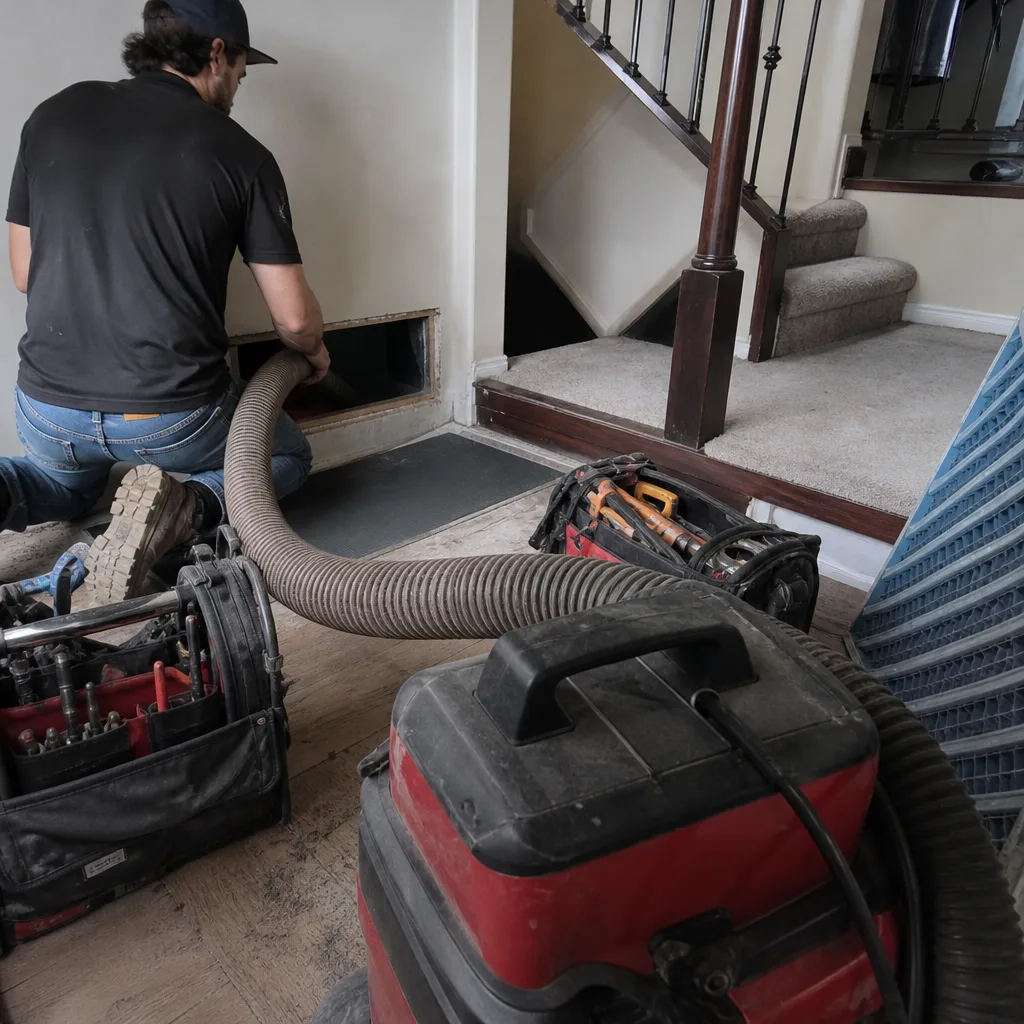 Before
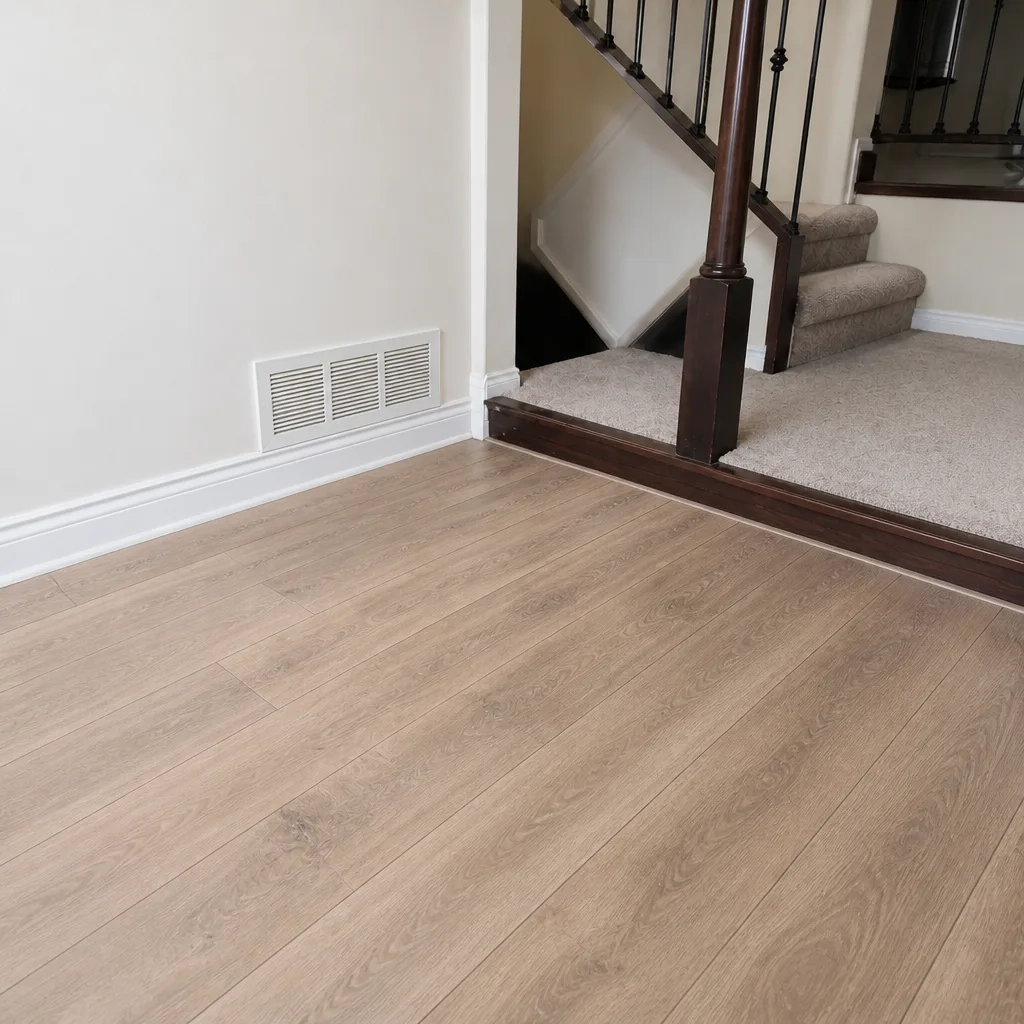 After
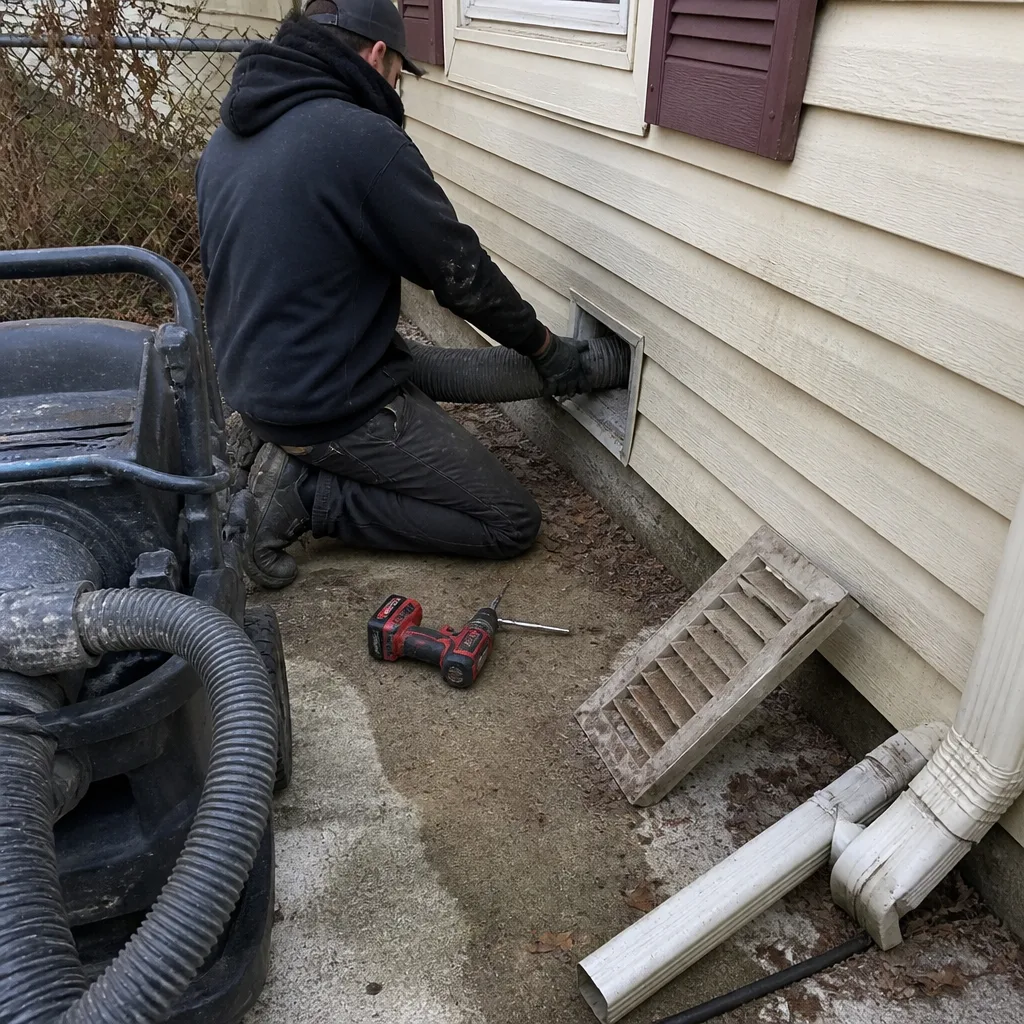 Before
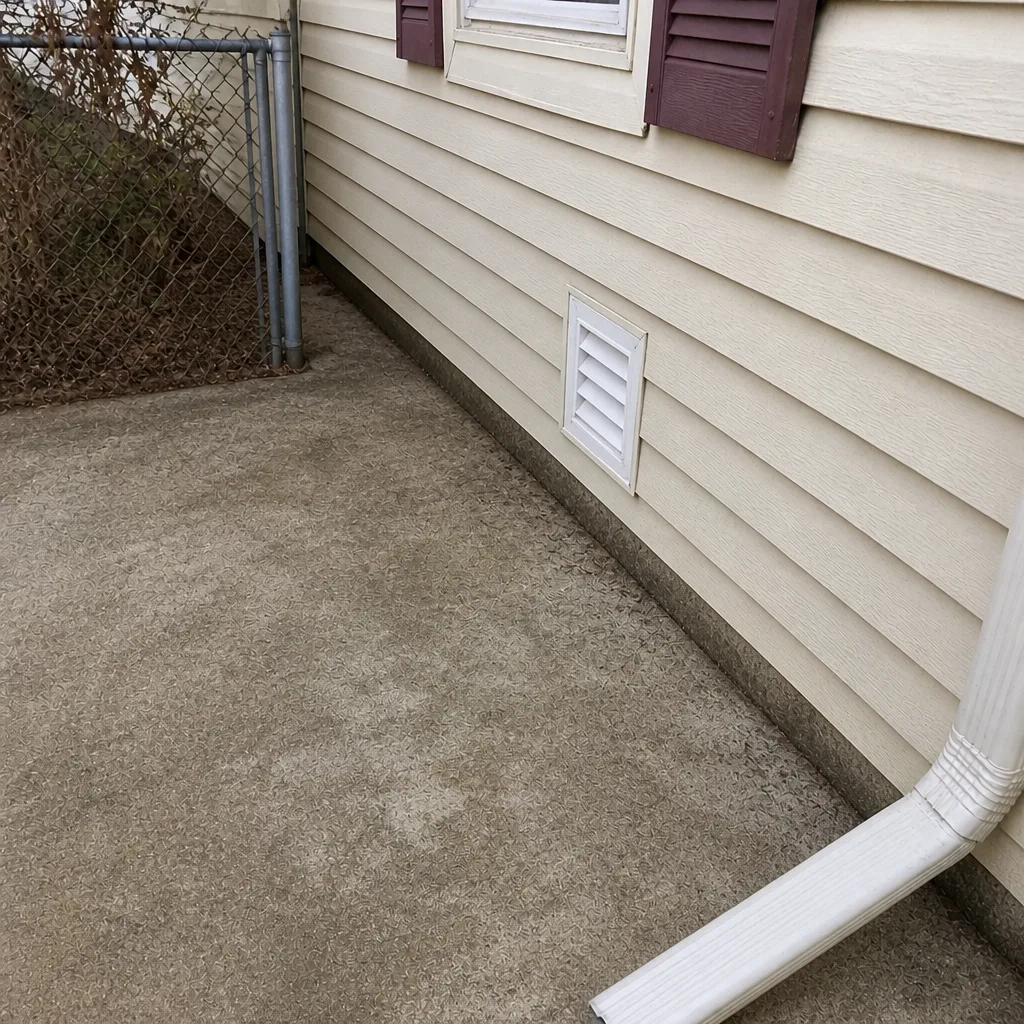 After
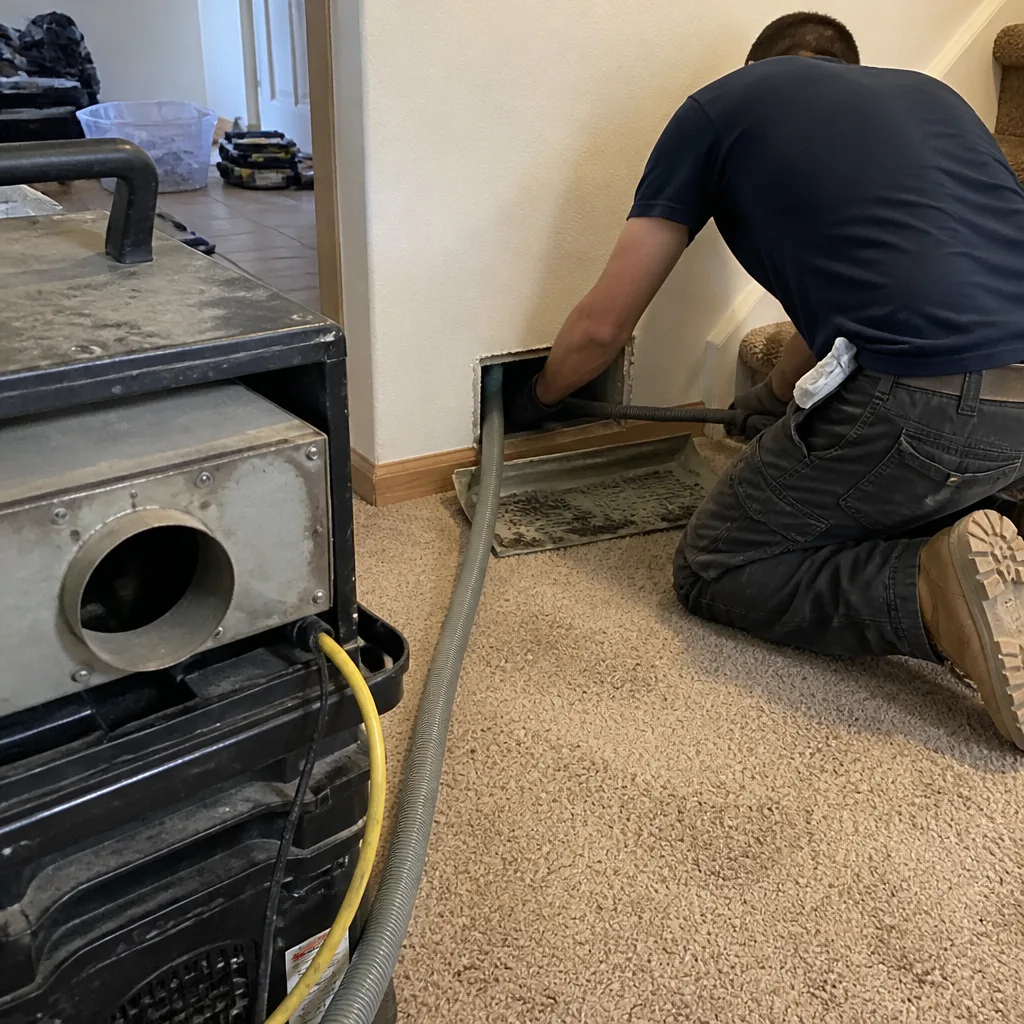 Before
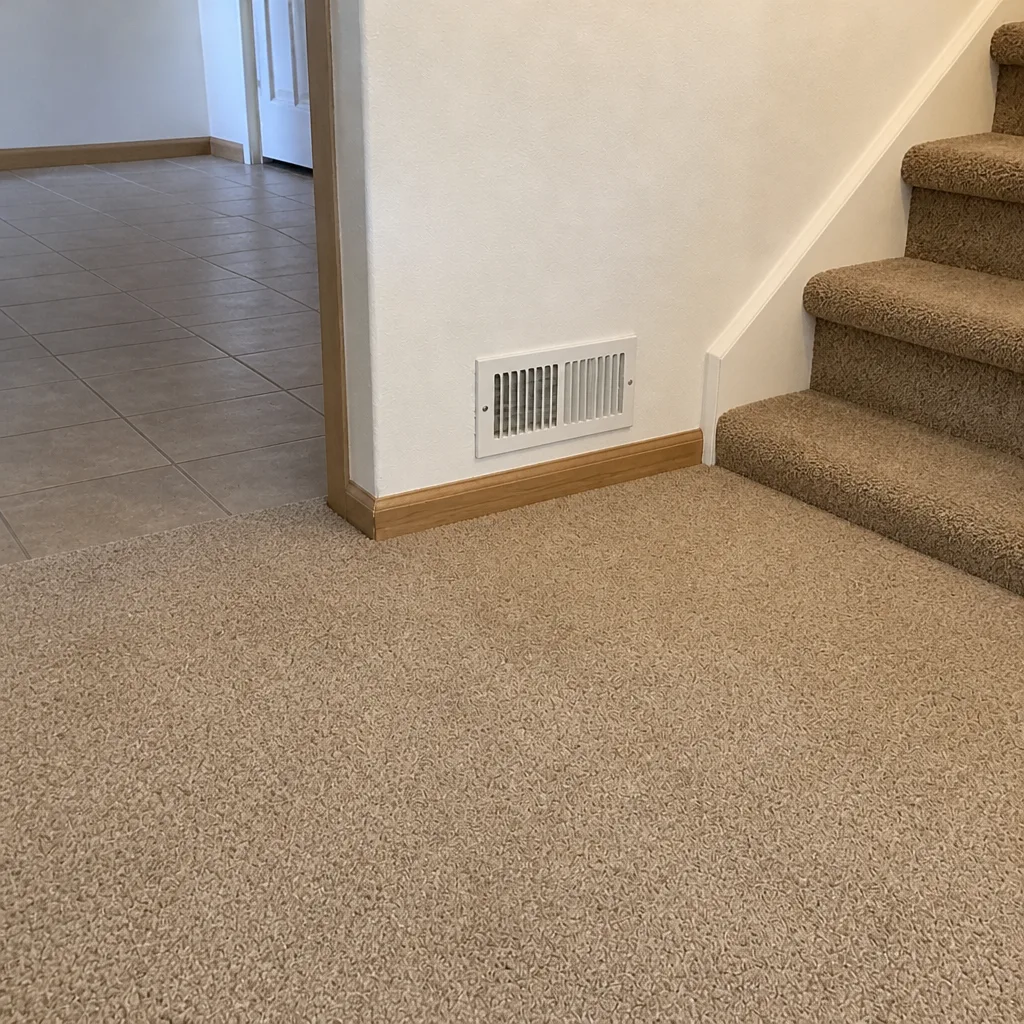 After
When to Call a Professional
Your checklist tells you when to act. A few clear signals mean it’s time to call rather than continue monitoring yourself. If your register inspection shows thick matted buildup, dark staining, visible construction debris, or pest evidence, that’s a professional job – no DIY approach reaches the duct walls safely or effectively. If your filter loads twice as fast as it used to, the cause is worth diagnosing with proper equipment. If the air in the home smells stale or musty after filter changes, if airflow is uneven between rooms, or if the system seems to be working harder than it should, an inspection with contact-cleaning equipment and a HEPA-contained vacuum will tell you what’s actually going on.
Ridgeway Air Duct Cleaning offers free estimates in Westminster – call (844) 643-7197. We answer 24/7, and dispatch runs 7am to 7pm, Sunday through Friday. Our technicians have up to 8 years of experience, and they bring Rotobrush contact-cleaning systems and Nikro HEPA vacuums to every duct job – the same equipment class used in professional remediation. If our inspection says your ducts are fine, we’ll tell you so and recommend a date to check back rather than sell a cleaning you don’t need.
We also handle dryer vent cleaning and duct repair, so a single call covers the whole system rather than stopping at the first problem found.
Frequently Asked Questions
Most Westminster homes need professional air duct cleaning every two to three years, not every year. The interval depends on your specific trigger events – wildfire smoke exposure, nearby construction, renovations, and any evidence of buildup at the register level. A seasonal inspection with a photo log is what tells you whether your home is a two-year or four-year case.
Cost depends on the size and configuration of your system, the number of vents, and what the inspection finds. Because prices vary by job, the honest answer is that a written estimate is the only accurate figure. Call (844) 643-7197 for a free estimate – the price is set per job before any work begins, and there’s no per-vent pricing.
Cheap quotes usually reflect a service that blasts air through the system rather than cleaning the duct walls. Air-only methods loosen debris temporarily and leave most of the wall-bound contamination in place – which is why the job seems to come due again quickly. We use Rotobrush contact cleaning that physically agitates and extracts debris from duct walls, combined with Nikro HEPA capture and Abatement Technologies containment so nothing recirculates into your living space during the work. That’s a different service, and it’s priced like one.
Ask for before-and-after photos of your own ducts, register by register. Any contractor using contact cleaning should be able to show you exactly what changed inside each run. Photographic evidence of your own system is the only proof that matters – a generic stock photo of someone holding a hose tells you nothing.
You can safely clean the register covers, grilles, and the visible inside of the boot, and you should. Anything past the boot into the trunk lines and branch runs is where DIY kits fall short – you can’t reach the duct walls effectively, and you can’t contain the debris. Those require professional contact-cleaning equipment and HEPA capture. If your inspection shows the inside of the duct wall is contaminated, that’s a professional job.
Not automatically, but it’s one of the most common triggers we see in Westminster. Fine particulate from smoke can enter the home through the return side and accumulate in the ducts, especially during multi-day smoke events. After a significant smoke spell, add a register inspection about two weeks later and compare photos to your previous set. If buildup is visible and worsening, get a professional evaluation rather than guessing. Call (844) 643-7197 and we’ll take a look.
The Bottom Line
You don’t need to schedule duct cleaning on a calendar. You need to know what to look for at the register level, track how fast your filter loads, and log what you find so the story is visible when you do call someone. A homeowner in Westminster who inspects twice a year, records filter loading dates, and knows the local triggers – wildfire smoke, nearby construction, basement finishes – will nearly always spend less than one who waits for symptoms and then acts in a hurry. The checklist is the strategy. The cleaning is what you do when the checklist says it’s time. When it does, Ridgeway Air Duct Cleaning is one call for cleaning, repair, and dryer vent work, using the equipment built for the job.
Call (844) 643-7197 for a free estimate. We answer 24/7. Fast dispatch from 7am to 7pm, Sunday through Friday. Before-and-after photos of your own ducts come with the work – evidence you can see for yourself.
Written by the team at Ridgeway Air Duct Cleaning.