
Last updated November 16, 2026
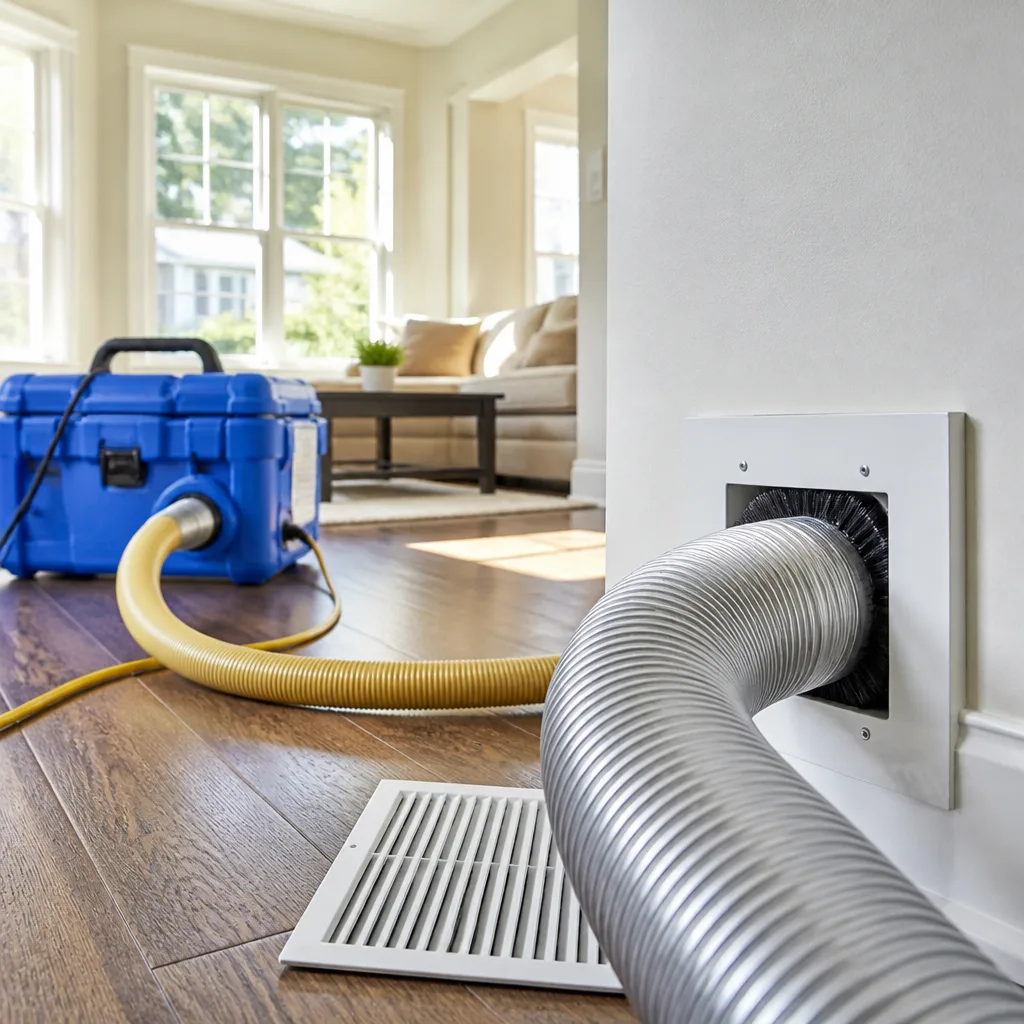 Whole-home duct cleaning
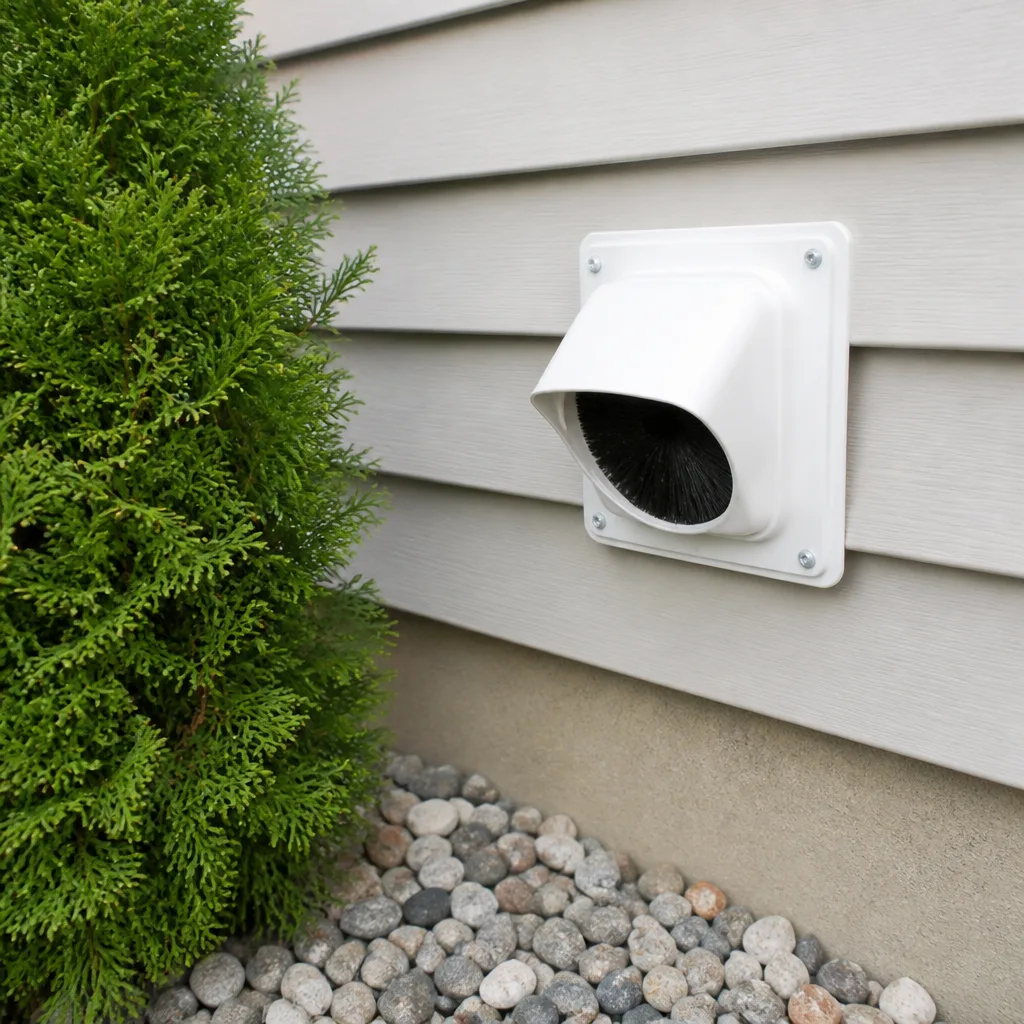 Dryer vent cleaning
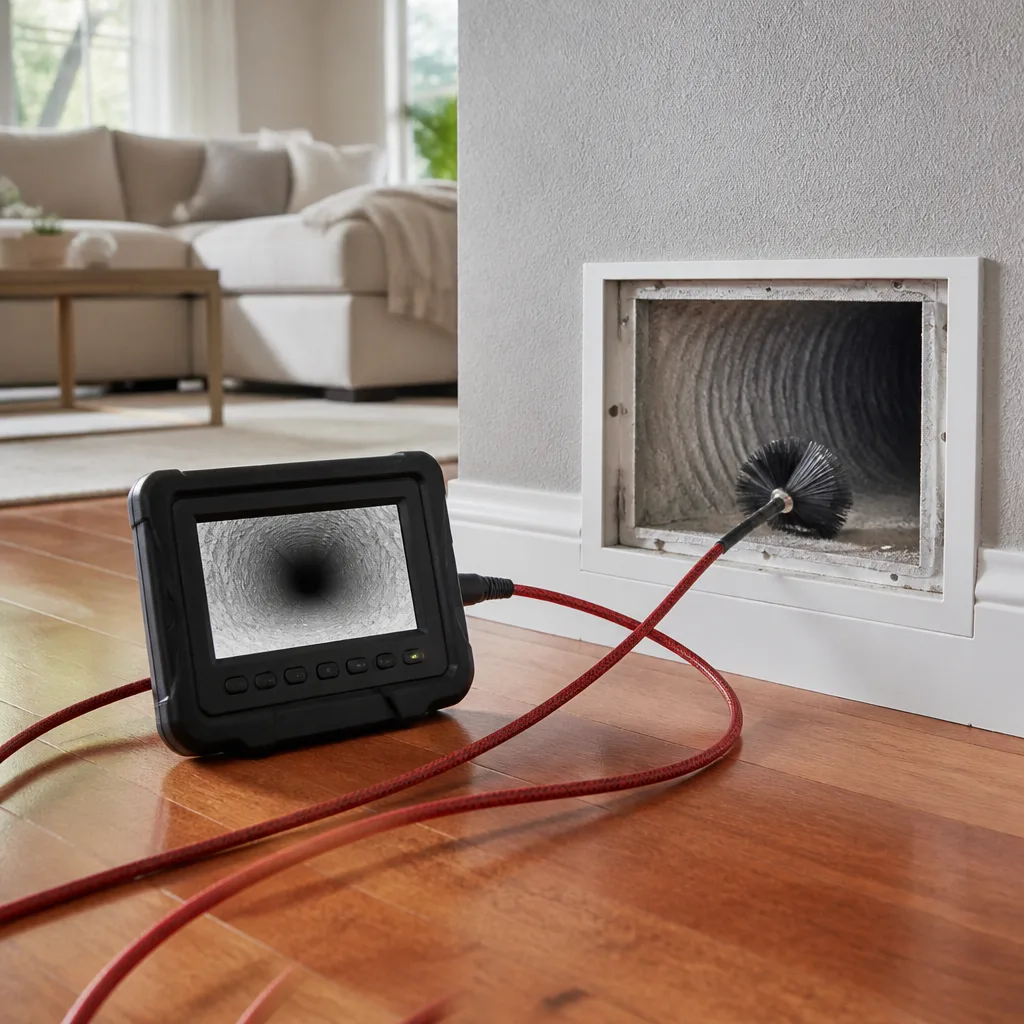 Camera inspection
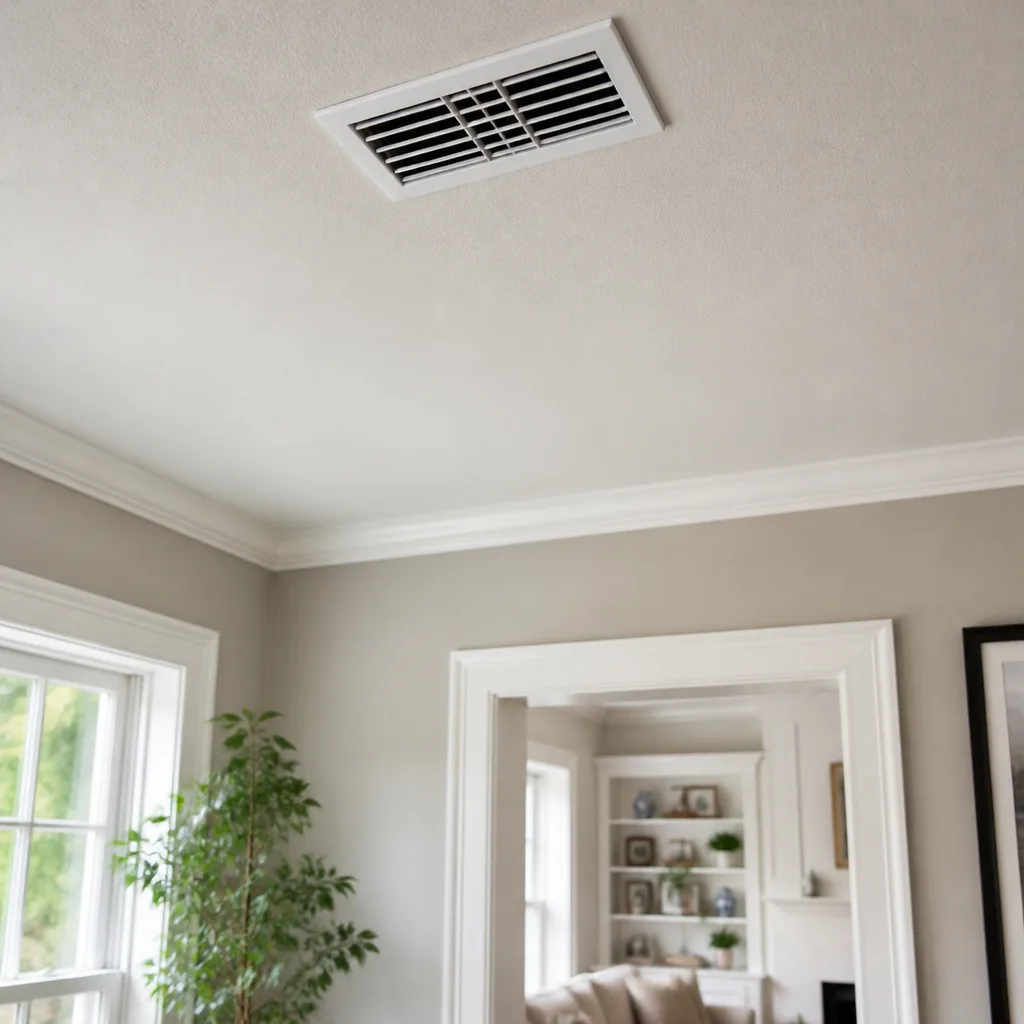 Sanitizing & deodorizing
Whole-system duct and dryer vent check with before-and-after photos - you see exactly what came out of your vents
That "$99 whole-house special" is a bait ad - the real number appears once they are in your hallway, or the "clean" is a shop-vac at the register. We photograph the inside of your ducts before and after instead.
DIY vs Professional Air Duct Cleaning: The Westminster Homeowner’s Decision Guide
Most homeowners frame this as a money question, and that’s the first mistake. The real dividing line between a shop vac and a professional duct cleaning rig isn’t technique or training; it’s airflow. A consumer wet/dry vac moves roughly 60 to 80 cubic feet per minute. A truck-mounted or portable HEPA negative air machine built for duct work moves several hundred to a couple thousand CFM while holding the debris inside a sealed filter. That gap decides whether contaminants leave your system or simply relocate to a register you haven’t thought about yet. This guide walks through the physics, the legitimate DIY ground you can hold, the failure modes we see in Westminster systems, and how to judge whether your own duct layout is even a candidate for self-service.
Quick Answer
Professional air duct cleaning is worth it when your system has visible debris accumulation, a recent renovation, water intrusion, or persistent dust and allergy complaints; DIY is reasonable only for surface tasks like register and grille wiping, return filter swaps, and visual inspection with a flashlight and phone camera. Contact cleaning with simultaneous negative pressure is the standard that actually removes debris from duct walls, and no consumer-grade tool delivers both at once. In most Westminster homes, an honest pro job every few years paired with regular DIY maintenance outperforms either approach alone.
Styles & brands we work with
- Whole-home duct cleaning
- Dryer vent cleaning
- Camera inspection
- Sanitizing & deodorizing
Table of Contents
- Why This Is a Physics Question, Not a Price Question
- What a Homeowner Can Legitimately Accomplish
- When a DIY Attempt Makes Contamination Worse
- Is Your Westminster Home Even a DIY Candidate?
- What Professional Equipment Actually Does Differently
- Cost Over a Five-Year Window
- Scenario-by-Scenario: Which Road to Take
- How to Vet a Westminster Duct Cleaning Company
Why This Is a Physics Question, Not a Price Question
Source removal, the standard the duct cleaning trade has used for decades, requires two things to happen at the same moment: mechanical agitation of the duct wall, and enough negative pressure to carry the loosened debris into a HEPA-filtered containment unit before it settles somewhere else. Miss either half and you’ve done half a job. Agitation without extraction stirs dust into the room through the return. Extraction without agitation pulls loose debris off the surface but leaves the adhered film on the duct wall, which is where the bulk of accumulated particulate actually lives.
Consumer tools can’t do both at once. A shop vac gives you suction at a hose end, not negative pressure across a whole branch of ducting. A leaf blower gives you air volume but no capture. The compressed-air “duct cleaning” kits sold online push debris out of reach into branches you can’t see. The moment the tool has to do two jobs simultaneously, the equation falls apart.
Professional equipment is designed around that constraint. Contact cleaning systems like the Rotobrush line run a rotating brush head on a flexible whip through the duct while a HEPA-rated vacuum holds the whole branch under negative pressure. The brush loosens the wall film; the vacuum grabs it at the source. Nikro HEPA machines do the capture half. Abatement Technologies negative-air units keep the working zone under containment so nothing leaks back into the living space. That’s the difference. It’s not that trained technicians push harder; it’s that the machines are built to move several hundred to a couple thousand CFM through a sealed system while a brush is spinning inside it. We’ve seen the results of a shop-vac attempt side by side with a proper contact clean, and they don’t belong in the same category.
What a Homeowner Can Legitimately Accomplish
There’s real DIY ground to hold here, and doing it well makes a professional cleaning more effective when it happens. The tasks below are safe, useful, and worth putting on a calendar. None of them touch the inside of a duct branch, and that’s the point.
- Register and grille cleaning. Pop the supply and return grilles off with a screwdriver, wash them in a sink with warm soapy water, and let them dry fully before reinstalling. This removes surface dust that would otherwise get pulled into your return the moment the blower kicks on.
- Return filter maintenance. Check your filter every month during heating and cooling season and swap it at the interval the manufacturer prints on the frame. A clogged filter trips the system’s static pressure and forces the blower to work harder. It’s the single cheapest HVAC maintenance task you can do.
- Visual inspection with a light and camera. Shine a flashlight into a supply register and photograph what you see with your phone. Look for matted dust, dark staining, visible mold, or insect activity. Do the same at the return. Comparing photos a year apart gives you a real trend line.
- Blower compartment inspection. With the system off and the filter removed, look at the blower wheel for dust buildup. A visible layer of dust on the blades is a sign the whole system is working harder than it should, and it’s worth mentioning to whoever services your HVAC.
- Exterior vent check. Walk the perimeter and confirm no critter screens or caps are blocked, and that return and supply terminations are clear of landscaping. Westminster’s spring wind pushes a lot of cottonwood seed and dry soil into exterior vents.
Those five tasks cost almost nothing and keep the system in a state where a professional cleaning actually delivers a clean result. The mistakes happen when homeowners try to extend this list to the inside of the ducting.
When a DIY Attempt Makes Contamination Worse
This is the part of the DIY vs professional debate most articles skip. A DIY attempt on rigid, well-sealed ducting is often merely ineffective. A DIY attempt on the wrong system is actively destructive. We’ve been called to homes where a homeowner ran a shop vac or compressor into a branch and pushed the problem deeper instead of pulling it out.
- Pushing debris deeper into flex duct. Flex duct has a corrugated interior, and debris catches in the ridges. A shop vac hose end can’t follow the corrugation. If you push air into it, the debris rides further down the run and settles where the duct bends or terminates at a register boot.
- Dislodging interior insulation lining. Older duct systems, especially those with internal acoustic lining, don’t respond well to aggressive vacuuming. The lining can tear or come loose and end up blocking airflow at a transition.
- Breaking friction-fit connections. Wye branches, takeoffs, and register boots are often held together by friction and foil tape, not screws. A vacuum head yanked at the wrong angle separates a joint you can’t see, and now your system is leaking conditioned air into a wall cavity.
- Stirring contamination into the living space. Without negative-air containment, running a shop vac near an open register pulls as much dust into the room as it captures. Anyone in the house with asthma or seasonal allergies feels that within hours.
- Wetting the system. Spraying anything into a duct and calling it “cleaning” traps moisture inside an enclosed space. In a dry Westminster climate this can dry out, but if the moisture reaches any organic dust accumulation, it becomes a growth site.
The pattern is consistent. A consumer tool applied to a professional problem doesn’t stop being a consumer tool. It just moves the contamination to a place that costs more to fix. If you want to understand what a full system clean looks like on a Westminster home, our page on air duct cleaning walks through the process step by step.
Is Your Westminster Home Even a DIY Candidate?
Before you decide anything, look at what kind of ducting you actually have. The construction styles in Westminster vary block to block, and the answer determines whether DIY is even on the table.
Rigid sheet metal ducting is the more forgiving system. It’s straight, sealed at the joints, and its smooth interior is easier to inspect through a register opening. You can see a fair distance with a flashlight and get a good read on debris buildup. Flex duct, which dominates in homes built or retrofit from the 1990s forward, is much harder to assess from the outside because the corrugation hides accumulation. If your home has a mix of both, the flex runs are the ones to leave to a professional.
Access point locations matter just as much. A system with a dedicated access port near the plenum or at the start of each major trunk lets a technician work efficiently and lets you see what’s happening. A system with no access ports beyond the registers is a bad candidate for anything beyond surface work, because the only way in is through the branch, and consumer tools can’t reach past the first bend.
Blower proximity is the last variable. Duct branches closest to the air handler collect more dust because the airflow is highest there. Those runs will always look the worst and will always be the ones you’re tempted to “just clean.” Leave them alone with consumer tools. The negative pressure at that end of the system is strong enough that debris you loosen there tends to travel into the coil and cabinet instead of out of the house.
If any of these conditions describe your situation, treat professional cleaning as the baseline and use DIY tasks as maintenance between visits:
- Flex duct runs longer than a few feet
- No access ports other than register boots
- Any visible moisture, mold staining, or pest activity in a duct
- A recent remodel or drywall project that produced heavy dust
- Persistent allergy symptoms in the household despite regular filter changes
What Professional Equipment Actually Does Differently
The label on the machine is less important than the job the machine is built to do. Three equipment categories define a proper duct cleaning, and each one solves a specific part of the physics problem described above.
Contact cleaning systems like the Rotobrush line run a rotating brush head on a whip hose. The brush physically scrubs the duct interior wall, which is the only way to lift the adhered dust film. Air blasting alone doesn’t touch that film; it just moves the loose particulate on top of it. When we describe the cleaning process, “contact clean” is a literal description, not a marketing term.
HEPA vacuum capture like the Nikro systems closes the loop. Everything the brush loosens gets pulled into a sealed filter rated to trap fine particulate, so dust doesn’t recirculate into the room while the job is underway. That’s what makes the difference for households with anyone sensitive to airborne dust. It’s also why the room stays livable during the work rather than becoming a hazmat scene.
Negative-air containment like the Abatement Technologies equipment we use holds the entire working zone under slight negative pressure relative to the rest of the house. Air flows into the work zone, not out of it. This is the same standard used in commercial remediation, and it’s why professional duct work doesn’t dump the contamination back into the room through return registers or gaps in the cabinet.
The fourth piece is filtration evaluation. Because we work with Honeywell and Aprilaire filtration products, the same technician who cleans your ducts can look at whether your current filter setup is doing the job. A thorough cleaning paired with a genuinely appropriate filter is worth more than either one alone. You can read more about our team and what we do on the Ridgeway Air Duct Cleaning main page.
Cost Over a Five-Year Window
Here’s where the DIY case looks stronger than it is. If you only compare a $200 shop vac to a professional cleaning, DIY wins on paper. Stretch the math to five years and the picture changes, because the DIY cost isn’t a one-time fee. It’s a string of small failed attempts plus the eventual professional clean anyway.
A realistic five-year DIY ledger looks something like this:
- Shop vac or leaf blower purchase: one-time but rarely sufficient
- Specialty hose attachments and kits: recurring, usually abandoned after the first attempt
- Replacement filters burned through faster because the system is dirty: recurring
- HVAC coil cleaning after fine debris clogs the evaporator: often deferred, always expensive when it lands
- Eventual professional cleaning once the DIY results disappoint: you still pay it
A professional contact clean, by comparison, buys a genuine reduction in the dust load, which usually stretches the interval before the next cleaning is needed. We don’t promise an exact schedule because it depends on your home’s dust conditions, whether pets live there, and how close you are to busy streets or active construction. But a thorough clean on a well-maintained system typically lasts longer than a surface-only attempt ever does. If you want to see what a proper clean looks like on a Westminster system, the Westminster page covers local conditions that affect it.
One note on pricing: estimates should be free and the price should be set per job by a written estimate agreed before any work starts. If a company quotes a low teaser price and the number grows once the technician is inside, that’s the exact pattern to walk away from. Ask for the flat price per system up front.
Scenario-by-Scenario: Which Road to Take
Most Westminster homeowners fall into one of a few recognizable situations. Here’s how the DIY vs professional call shakes out in each.
- You’ve never had the ducts cleaned and the house is more than ten years old. Book a professional cleaning. There’s too much accumulated material for a surface approach to matter, and a first-time clean gives you a baseline.
- You completed a remodel or drywall project within the last year. Professional. Construction dust is fine and gets everywhere, including inside the air handler. A thorough clean after the fact is worth the spend.
- You’re an attentive homeowner who changes filters, wipes grilles, and inspects regularly. DIY maintenance plus a professional clean on a reasonable interval. You’re already doing the right things; the pro job just resets the clock.
- You’ve noticed musty odors or visible mold in a register. Professional, and ask about containment equipment. Don’t attempt this yourself; you need negative-air control and HEPA capture, and you need to know whether the source is the duct or something upstream.
- Someone in the house has asthma or significant allergies. Professional contact clean with HEPA containment is the standard. Half-measures don’t help, and a shop-vac attempt can provoke a bad reaction.
- You have pets and the return grille is always furry. Professional clean plus a filter upgrade conversation. The pet hair is a symptom of a system that’s working overtime.
Two related jobs sit alongside duct work and often get confused with it. dryer vent cleaning is a safety service, not maintenance; lint accumulation in the vent run is a fire risk and it also lengthens drying cycles. It’s worth doing on a schedule regardless of what you decide about your air ducts. If you’ve found a separated joint, crushed flex run, or disconnected register boot while inspecting, air duct repair is a separate job from cleaning and shouldn’t wait.
How to Vet a Westminster Duct Cleaning Company
The DIY vs professional question has a hidden third option that’s worse than either: hiring a company that doesn’t actually clean. Westminster has the same mix of serious operators and coupon-driven crews as any metro, and a bad professional job leaves you in a worse state than an honest DIY attempt. Here’s what to ask before booking:
- What equipment do you use for contact cleaning and containment? The answer should name specific systems, not just “professional equipment.” If they can’t tell you what the brush head and vacuum are built to do, they probably don’t run them.
- Is the price per system or per vent? A whole-system flat price agreed in writing before work starts is the honest structure. Per-vent pricing invites the upsell.
- Will I get before-and-after photos of my own ducts? No photos means no proof the work happened. Ask to see the inside of the branches you paid for.
- Do you do air duct repair, or just cleaning? A company that only cleans will refer you out the moment a joint is separated or a flex run is crushed. A full-scope provider handles it in one visit.
- Are you licensed and insured? Ask, don’t assume. The paperwork should be available on request.
- Will you evaluate my filtration while you’re here? A technician comfortable with Honeywell or Aprilaire systems can tell you whether a filter upgrade makes sense. Someone who can’t name the products isn’t set up for that conversation.
Our technicians have up to 8 years of experience with this equipment, and we’re glad to walk through what a specific Westminster home needs before any work is scheduled. If you want to know the full scope of what we do, the Westminster page for our team at Ridgeway Air Duct Cleaning is the right starting point.
Common Mistakes to Avoid
- Using a shop vac as a “duct cleaning” tool. The suction isn’t strong enough to pull debris from a duct run, and the exhaust can push fine dust back into the room. It’s a register-cleaning tool, not a duct tool.
- Buying an online duct cleaning kit and expecting professional results. These kits push air and loose debris into places you can’t reach. On flex duct in a Westminster attic, that debris lands where the run bends and stays.
- Skipping the return grille and going straight for the supplies. The return is where most of the dust accumulates. Cleaning supplies without addressing the return is backwards.
- Spraying anything wet into a duct. Moisture plus organic dust is a growth substrate. Westminster’s dry climate doesn’t make this safe; it just dries it unevenly.
- Hiring the lowest coupon in the mailer without asking what equipment they use. A low teaser price and a per-vent upsell is the industry’s classic bait-and-switch. Ask for a flat per-system price in writing.
- Assuming “air blasting” is the same as contact cleaning. Air alone doesn’t lift the adhered film on duct walls. Ask specifically about brush-based contact cleaning and HEPA capture.
- Ignoring the dryer vent while you’re doing duct work. The two are separate systems with separate risks, and dryer vent lint buildup is a genuine fire hazard regardless of what happens with the air ducts.
See the difference
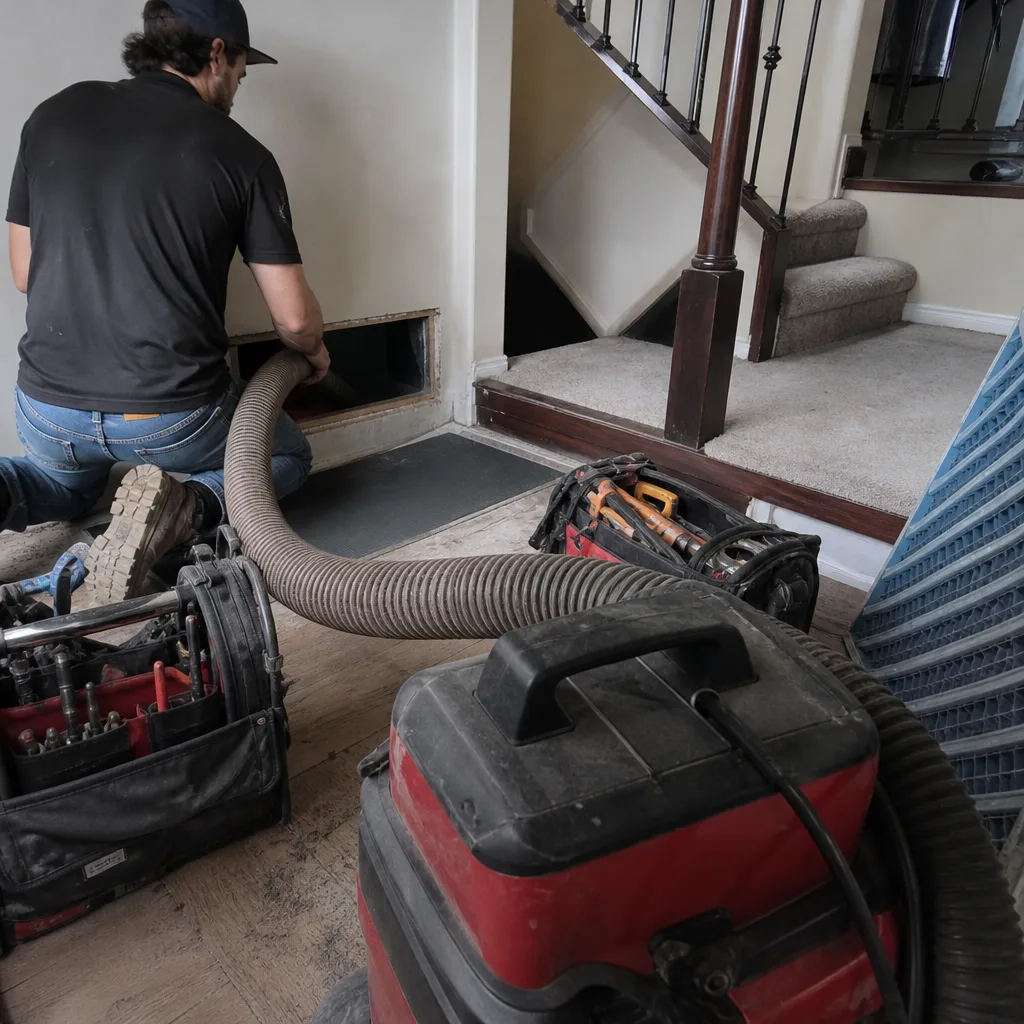 Before
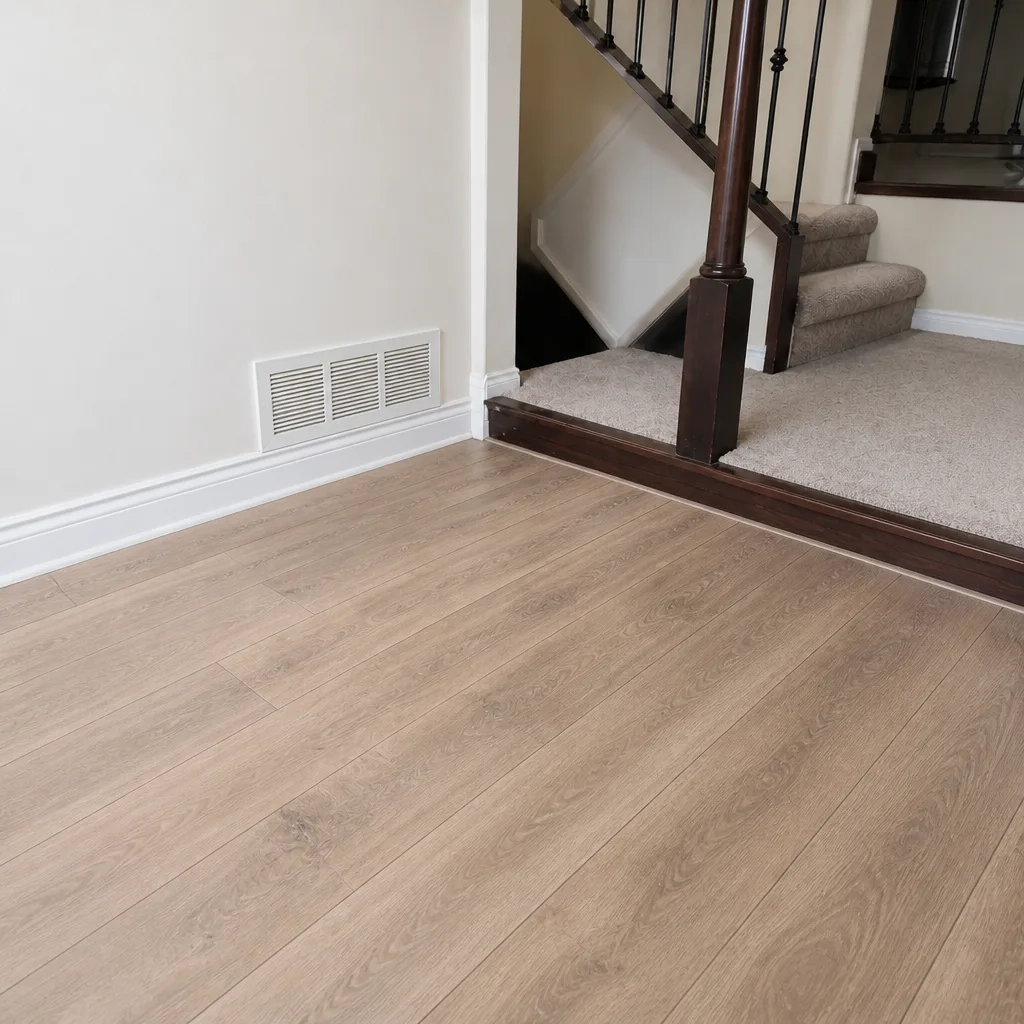 After
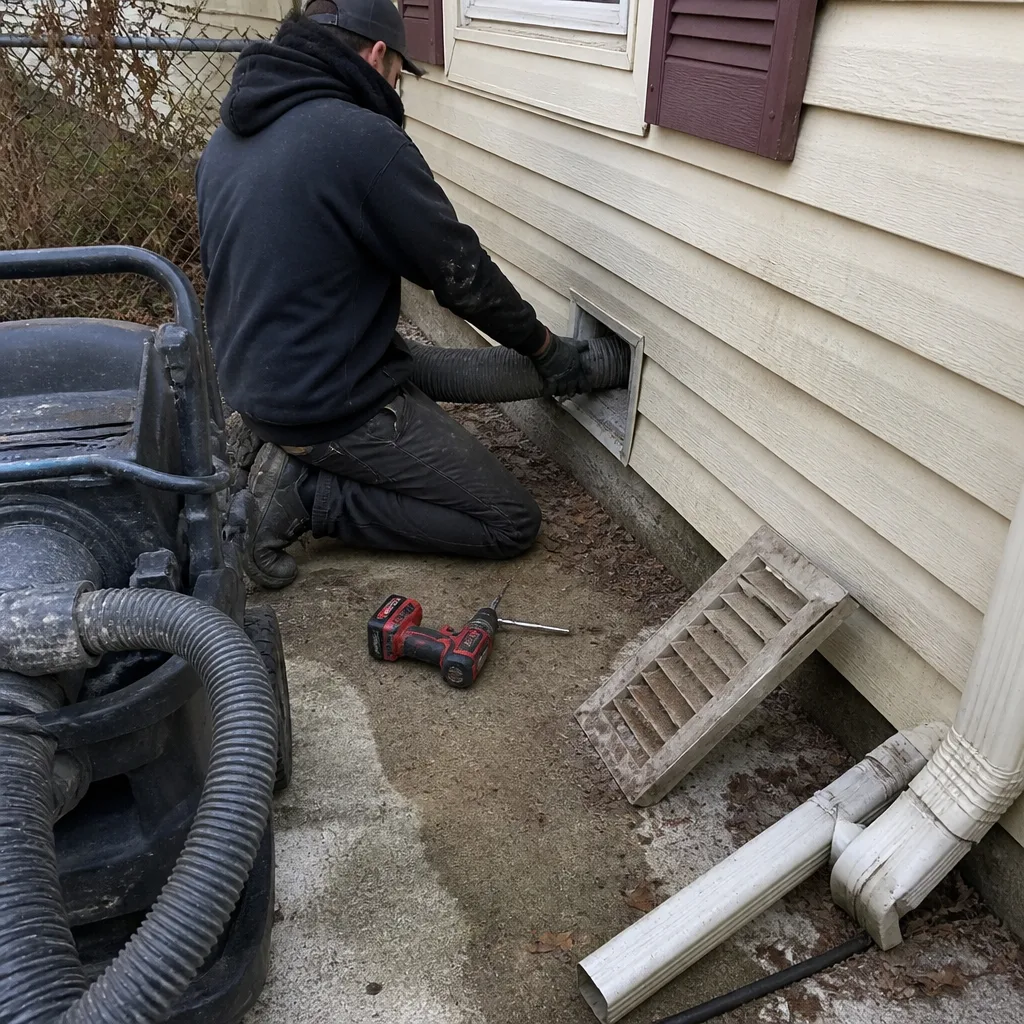 Before
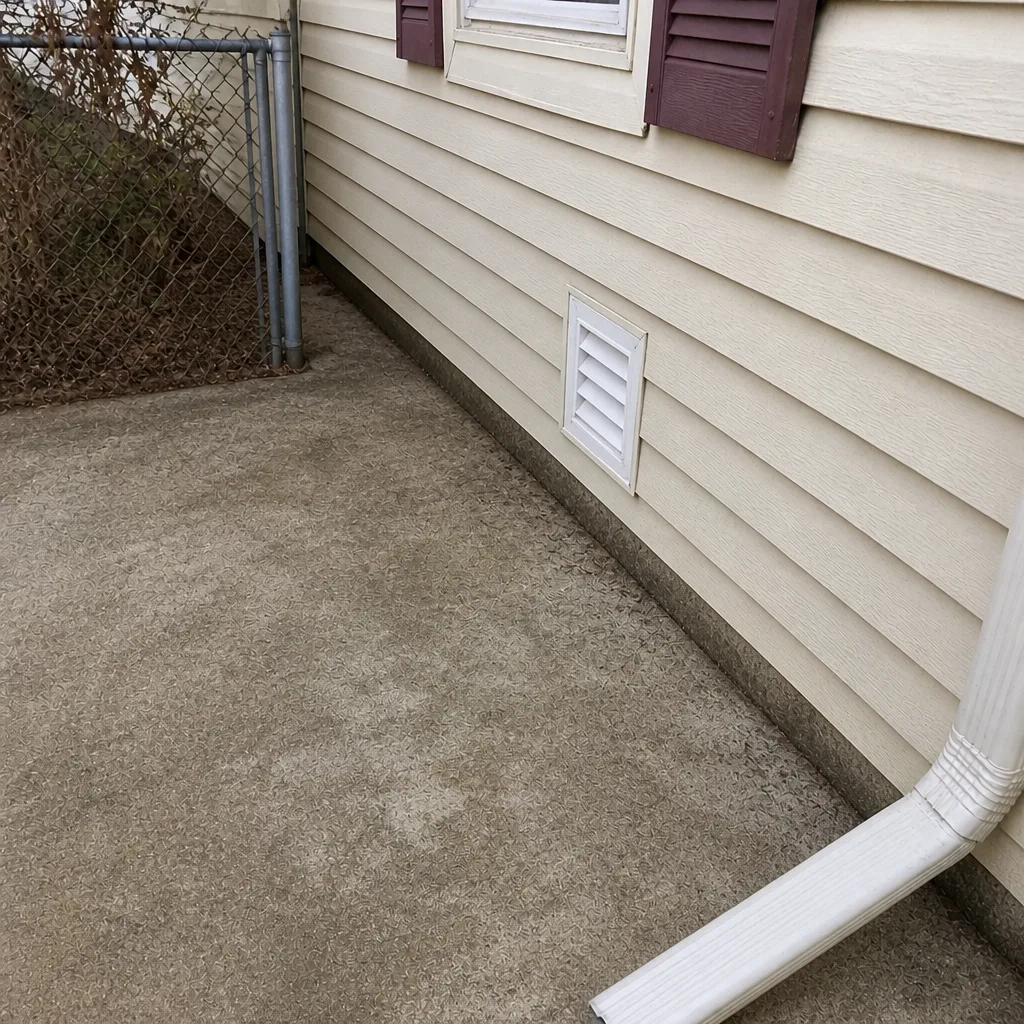 After
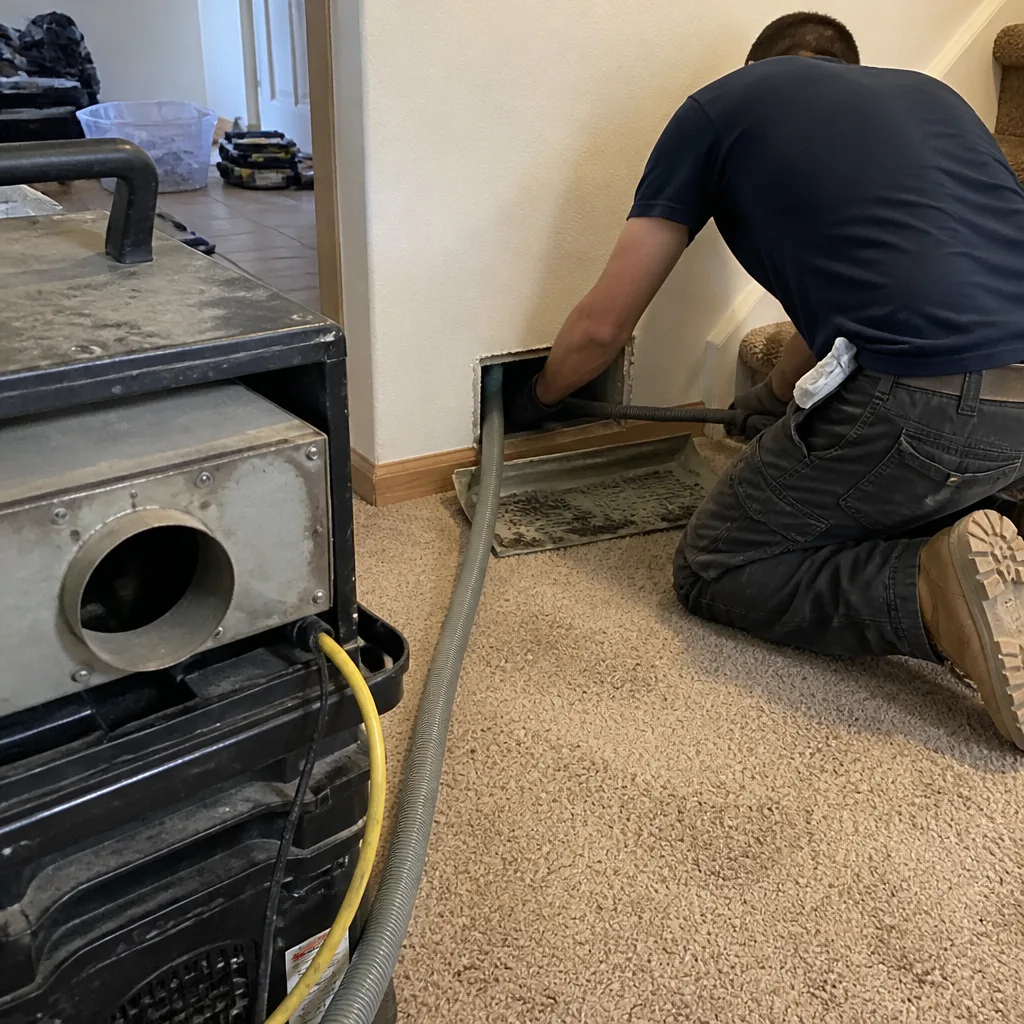 Before
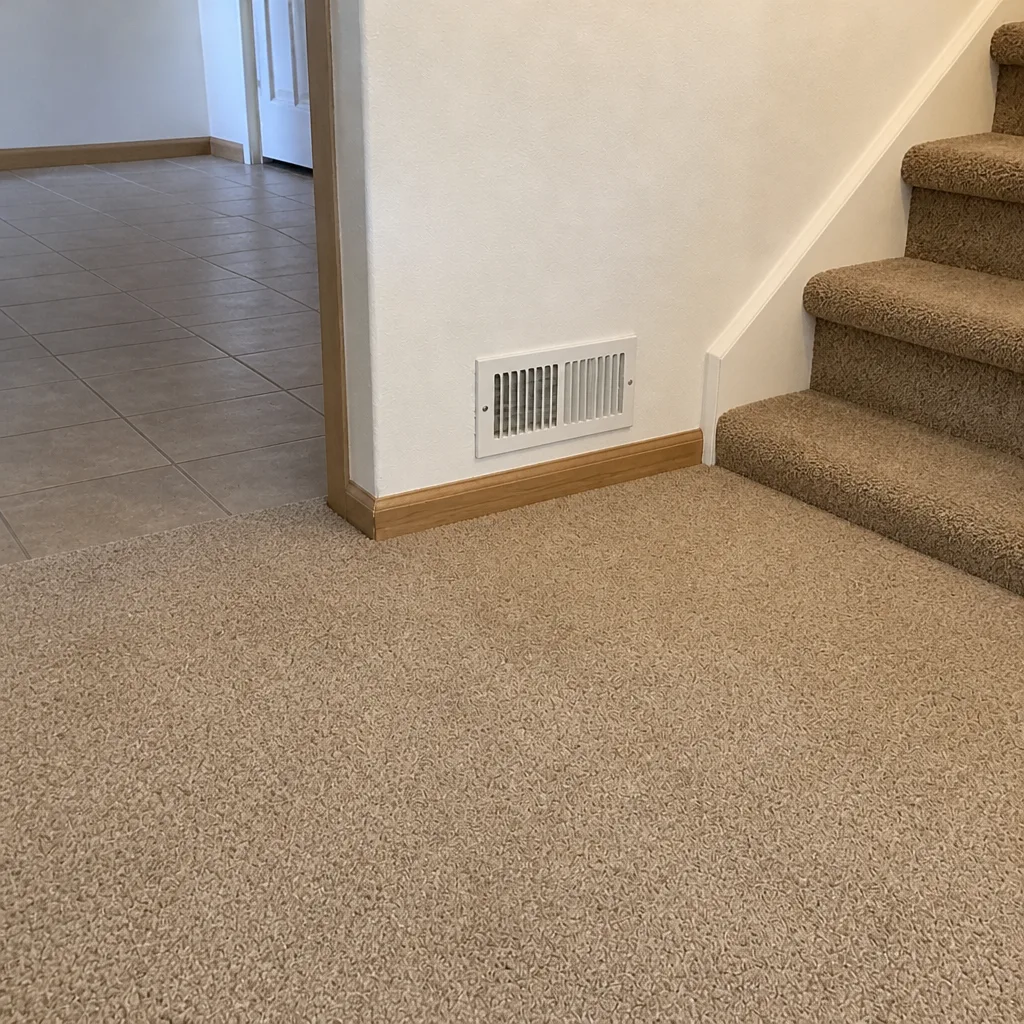 After
When to Call a Professional
The cases where DIY genuinely isn’t the right call are easier to spot than most homeowners realize. Call us when you’ve had a renovation in the last year, when you can see visible debris or mold staining inside a register, when someone in the house has respiratory sensitivities, when you’ve found a separated joint or crushed flex run during inspection, or when the system hasn’t been cleaned in more than a few years and you want an honest baseline. Ridgeway Air Duct Cleaning offers free estimates in Westminster; call (844) 643-7197. We answer 24/7. Fast dispatch from 7am to 7pm, Sunday through Friday.
Frequently Asked Questions
No, not in any meaningful sense. A shop vac can clean the inside of a register grille and can pull dust from the immediate opening, but its airflow and lack of HEPA containment mean it can’t extract debris from a duct branch. In many cases it pushes debris deeper into the run. Use it on the grilles and leave the branches alone.
Visible matted dust inside a register, musty odors when the system runs, a recent remodel, or persistent allergy symptoms in the house are the clearest signs. Westminster’s dry, windy spring season pushes a lot of dust into return ducting, so homes near busy streets or open space tend to accumulate faster. Shine a light into a supply register and photograph what you see with your phone; that’s the most reliable DIY check you can do. Call (844) 643-7197 for a free estimate if you want a professional read.
The cheapest quotes usually reflect a machine that only blows air, a per-vent pricing structure that grows during the visit, or a crew that doesn’t bring HEPA containment. Pricing should be a flat amount per system agreed in writing before work begins. If a company can’t name the equipment they use for contact cleaning and capture, the low number reflects what’s missing from the job. Call (844) 643-7197 for an honest estimate built around what the work actually involves.
There’s no universal schedule that fits every home; it depends on pet ownership, dust conditions, remodeling, and how closely the return filter is maintained. A reasonable approach is to check the return grille and a supply register every spring, do the DIY cleaning tasks on a routine, and book a professional contact clean when you see genuine accumulation. Homes that stay on top of filters and grilles stretch the interval; homes that don’t need more frequent professional work.
Ask for before-and-after photos of your own ducts, taken at each register and at the plenum. Any credible company can produce them because the equipment captures what it loosens. If a crew can’t show you photographs of the inside of the branches you paid for, you have no evidence the work happened. Photos, a written pre-work estimate, and a whole-system price are the three forms of proof worth insisting on.
Air blasting pushes compressed air into the duct and hopes debris comes loose. Contact cleaning runs a rotating brush head on a whip hose through the duct interior while a HEPA vacuum holds the branch under negative pressure, so the brush scrubs the wall and the vacuum pulls the loosened debris into containment simultaneously. The second method is the one that produces a measurable result. Consumer tools can’t combine both.
The Bottom Line
DIY duct cleaning has real limits, and they’re not about skill. Consumer tools can’t generate the negative pressure or the mechanical agitation required for source removal, so most DIY attempts redistribute debris instead of extracting it. What a homeowner can do well is register cleaning, filter maintenance, visual inspection, and knowing when to call. On a Westminster system, that means a professional contact clean using brush agitation plus HEPA capture every few years, paired with the DIY maintenance chores that keep the system in condition to benefit from it. If your home is a candidate for a professional visit, we’re glad to talk it through and give you an honest estimate. Call (844) 643-7197. We answer 24/7. Fast dispatch from 7am to 7pm, Sunday through Friday. Estimates are free and the price is set per job by a written estimate.
Written by the team at Ridgeway Air Duct Cleaning.