
Last updated November 16, 2026
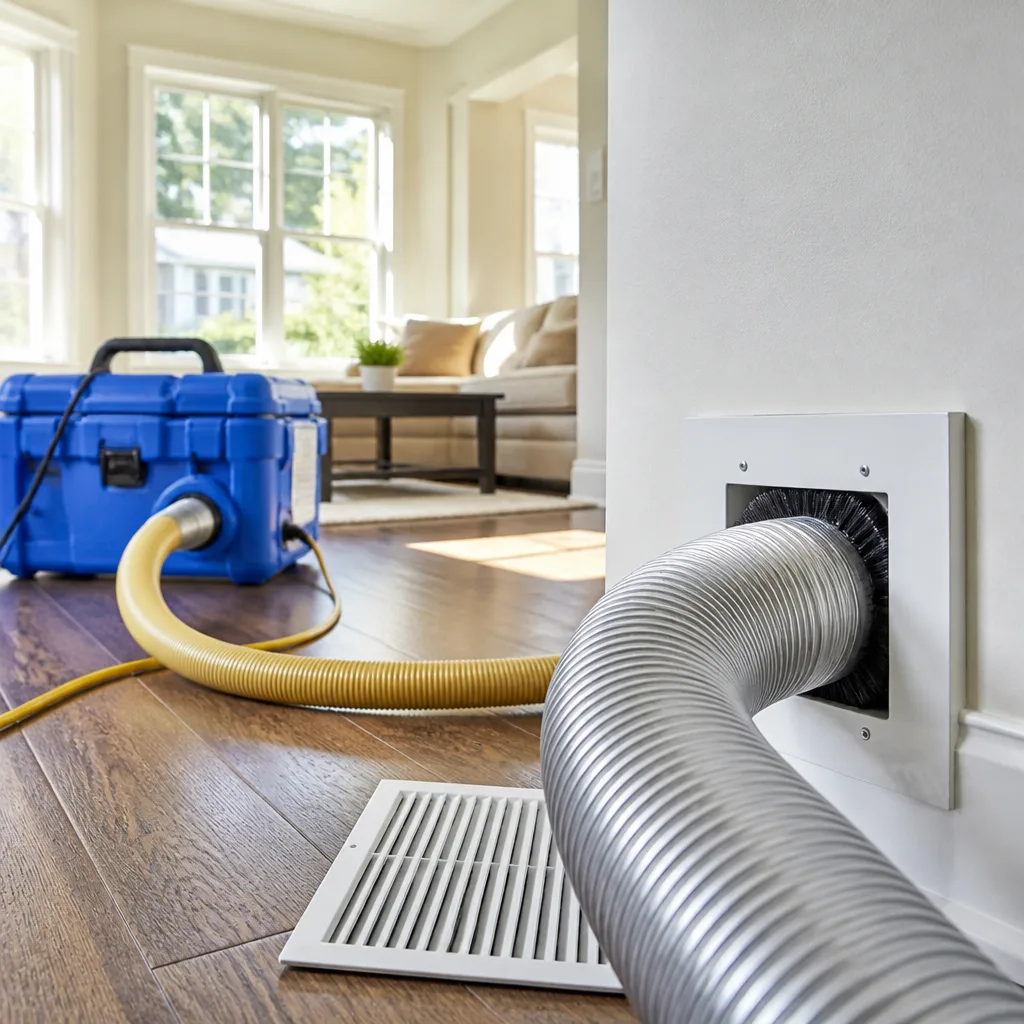 Whole-home duct cleaning
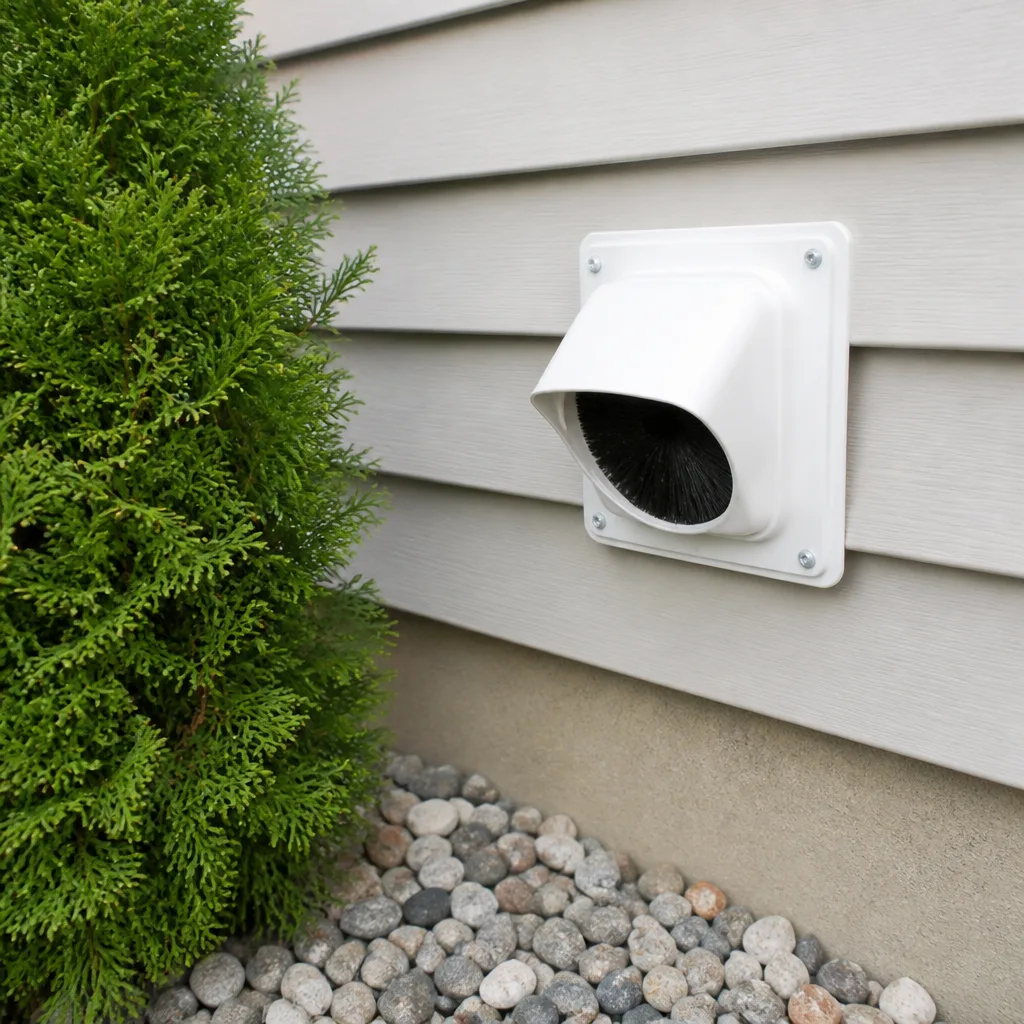 Dryer vent cleaning
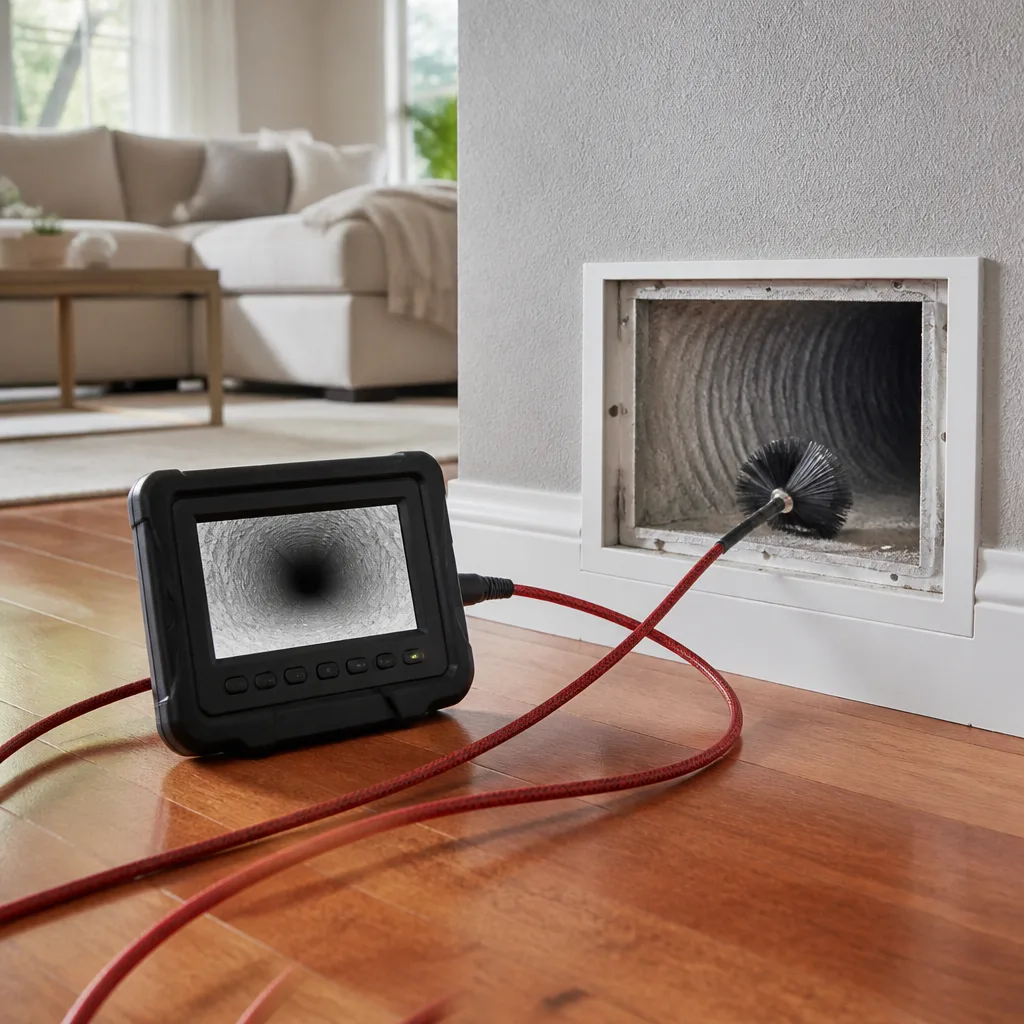 Camera inspection
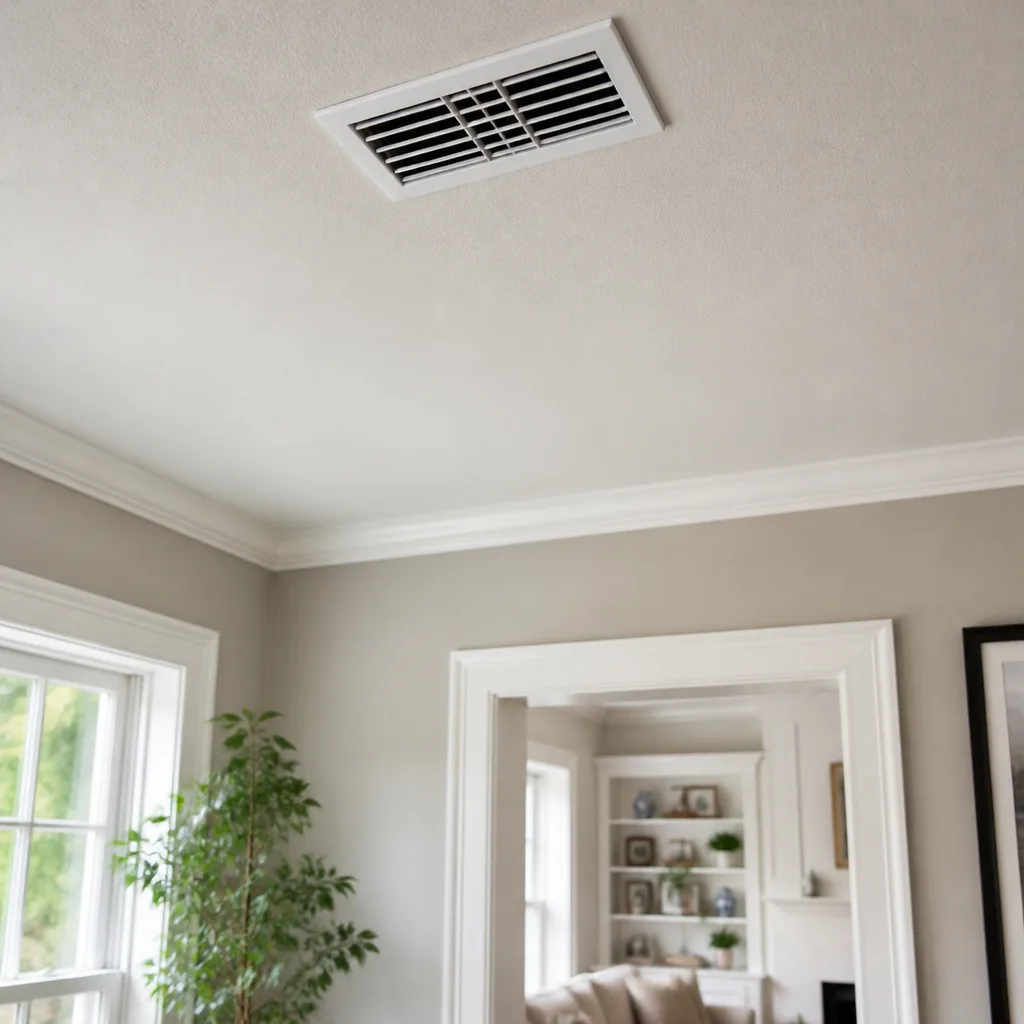 Sanitizing & deodorizing
Whole-system duct and dryer vent check with before-and-after photos - you see exactly what came out of your vents
That "$99 whole-house special" is a bait ad - the real number appears once they are in your hallway, or the "clean" is a shop-vac at the register. We photograph the inside of your ducts before and after instead.
The Complete Guide to Air Duct Cleaning in Westminster
Most guides to duct cleaning are written as if every house sat in the same climate. Ours doesn’t. Westminster sits at 5,280 feet on the Front Range, where the air is dry, dust stays suspended longer, and smoke from summer wildfires drifts in for weeks at a time. That combination changes what collects inside your ducts and how deeply it settles into the lining. A procedure that works fine in a humid climate can leave a fine silt layer behind here. This guide covers what actually builds up in Westminster homes, why the 1990s and 2000s building boom left some duct systems harder to clean than others, and how to tell whether a job was done or just sold.
Quick Answer
Air duct cleaning in Westminster means removing accumulated dust, debris, and contaminants from the inside surfaces of your ductwork using contact agitation and HEPA-contained extraction, not just blowing air through the system. Homes on the Front Range tend to need it more often than national averages suggest because of low humidity, wildfire smoke seasons, and heavy heating-cooling cycling. A proper job uses physical contact cleaning, sealed negative-air containment, and a before-and-after verification you can inspect yourself.
Styles & brands we work with
- Whole-home duct cleaning
- Dryer vent cleaning
- Camera inspection
- Sanitizing & deodorizing
Table of Contents
- How Westminster’s Climate Changes What Builds Up in Your Ducts
- Why 1990s and 2000s Westminster Homes Have Duct Quirks
- Source Removal vs. Air Washing: Why the Difference Matters
- What Commercial-Grade Equipment Does That a Shop Vac Can’t
- What a Proper Duct Cleaning Job Looks Like, Step by Step
- How to Read a Post-Cleaning Verification
- How Often Do Westminster Homes Really Need Duct Cleaning?
- What Duct Cleaning Costs and Why Quotes Vary So Much
How Westminster’s Climate Changes What Builds Up in Your Ducts
Westminster’s semi-arid climate is the single biggest variable that national duct cleaning guides ignore. At roughly 5,280 feet, relative humidity here runs much lower than in most of the country. Low humidity means airborne particulate matter stays suspended longer instead of clumping and dropping out of the air quickly. When it does settle, it settles as a fine, powdery silt that works its way into the seams and lining of ductwork rather than sitting loosely on top. That’s a physics problem, not a marketing one.
Then there’s the smoke. Front Range wildfire seasons push fine particulate into homes for weeks at a time, and HVAC systems pull that air through return ducts and filters continuously. Even with a good filter, a portion of that particulate passes through and accumulates on duct surfaces. Add the rapid cycling between heating and cooling that Westminster’s wide daily temperature swings create, and the ducts get more air movement per day than systems in milder climates. More air movement means more opportunity for dust to deposit on duct walls.
What this means in practice:
- Dust in Westminster ducts is often fine and tightly adhered, not loose and fluffy.
- Air-only “blasting” methods tend to stir this dust without removing it.
- Contact agitation (brushes and whips) is what actually breaks the layer loose.
- HEPA-rated vacuum equipment is essential because the loosened particulate has to go somewhere – and that somewhere shouldn’t be your living room.
So when a national guide says “vacuum and blow out the ducts,” understand that advice was written for a different climate. In Westminster, the dust behaves differently.
Why 1990s and 2000s Westminster Homes Have Duct Quirks
Westminster grew fast during the 1990s and 2000s. A large share of the city’s housing stock went up during that window, and builders were working quickly to keep up. That pace of construction left some recurring patterns in duct design that matter for cleaning.
Flex duct sprawl
Many homes from that era use flexible duct for branch runs. Flex duct is efficient to install but it has ridges, sags, and turns that trap debris. It also can’t stand up to aggressive air pressure without damage, which makes air-only cleaning less effective and more likely to dislodge the liner itself. Brush-and-vacuum systems with controlled agitation are the right tool here.
Zoned systems and add-ons
Larger homes from the boom often have zoned HVAC systems, with dampers and secondary trunks added after the initial design. Those additions create dead-end runs and unsealed junctions where dust collects and airflow stalls. A cleaner who doesn’t know to look for those zones will miss them entirely.
Short runs, tight returns
Some subdivisions put the air handler in a closet or the garage, with short return runs and tight plenum connections. Those configurations leave very little room to work, which is exactly why a crew needs the right equipment, not just a willingness to show up.
If your Westminster home was built in that window, ask any duct cleaning company one question: how will you clean flex duct without damaging it? The answer tells you whether they’ve actually worked this housing stock before.
Source Removal vs. Air Washing: Why the Difference Matters
“Source removal” is the industry term for actually pulling the contamination out of the duct system. “Air washing” is the term for blowing compressed air through the ducts and hoping the debris comes out the other end. They are not the same service, and only one of them meets the standards set by the National Air Duct Cleaners Association (NADCA).
Here’s the distinction in plain terms:
- Air washing uses compressed air to push dust downstream. It can move loose debris, but it doesn’t break the adhered layer on duct walls. In a dry climate like Westminster’s, most of what’s in the ducts is adhered, not loose.
- Source removal combines physical agitation (brushes, whips, and rotary tools) with negative pressure and HEPA filtration. The debris is loosened, captured, and removed from the system entirely.
- The NADCA standard calls for source removal. A company advertising “air duct cleaning” as air-only blasting is not meeting that standard, even if the price looks attractive.
This is the single most important distinction in the industry. We lead with Rotobrush contact-cleaning systems because the method is what matters – the tool is just the way to get there honestly. The brush head physically contacts the duct wall, and the vacuum captures what comes loose. Nothing gets “blown through” to settle somewhere else.
For homeowners who want to see what real source removal looks like on their own system, the same standard applies to any air duct cleaning job: agitation, containment, extraction, verification. If any of those four steps is missing, ask why.
What Commercial-Grade Equipment Does That a Shop Vac Can’t
The equipment behind a duct cleaning job is the clearest signal of whether the work will be done properly. A shop vac and a hose can pull some debris out of a floor register, but it can’t do what real equipment does inside the ducts.
Here’s what professional-grade systems bring to a Westminster home:
- Contact agitation. Rotobrush systems use rotary brush heads and air whips that reach into the duct and physically contact the walls. This is what breaks the adhered dust layer loose.
- HEPA-rated capture. Nikro HEPA vacuum systems filter the air leaving the ducts so fine particulate – the fraction that matters most for indoor air quality – is trapped and removed, not recirculated. HEPA containment is the same equipment class used in professional remediation.
- Negative-air containment. Abatement Technologies equipment pulls the work area into negative pressure, so airborne particulate moves toward the vacuum instead of into your living space. This is the standard used on serious indoor air quality projects, not an afterthought add-on.
- Filtration-system integration. The same technician who cleans your ducts can evaluate your filter and IAQ equipment, including Aprilaire and Honeywell components, and recommend upgrades where they genuinely make sense.
- Repair capability. When the inspection turns up a disconnected flex run or a crushed branch duct, the work can be repaired as part of the job. Ridgeway Air Duct Cleaning handles cleaning, repair, and dryer vent work – one call, full system.
A truck-mount vacuum alone can’t replicate the contact agitation part of this. It’s a strong capture tool, but without agitation the adhered layer stays right where it is. That’s the piece most discount services skip because the right equipment costs more.
What a Proper Duct Cleaning Job Looks Like, Step by Step
Here’s the sequence a thorough duct cleaning follows. If a company skips any of these steps, the job isn’t finished, regardless of what the invoice says.
- Inspect first. Before any cleaning starts, the system is inspected – registers, plenums, main trunks, branch runs, and the air handler. The point is to find the problems before they find you, not after.
- Set up containment. Negative-air equipment is positioned to seal off the work area and keep particulate moving toward the vacuum. This is where Abatement Technologies equipment earns its place.
- Agitate every run. Contact cleaning begins, run by run. Rotary brush heads and air whips reach into main trunks and branch runs, including the awkward flex duct patterns common in Westminster’s 1990s and 2000s neighborhoods.
- Extract with HEPA. As debris is loosened, Nikro HEPA vacuum systems capture it. The goal is that nothing loosened during cleaning finds its way into your living space.
- Clean registers and returns. Every supply register and return grille is removed, cleaned, and reinstalled. This step is easy to skip and easy to notice.
- Inspect and repair. Any disconnected, crushed, or sagging section discovered during cleaning gets flagged and, if you want it fixed, repaired on the same visit.
- Verify and photograph. Before-and-after photos of your own ducts give you a record of what the system looked like when the job started and what it looked like when it ended.
That last step is what separates a completed job from a job that was just billed. One flat price per system, agreed before work starts, means the price doesn’t change based on how many registers happen to be in your home. Call (844) 643-7197 for an exact quote – estimates are free.
How to Read a Post-Cleaning Verification
Verification is the step most homeowners don’t know to ask for. It’s also the step that answers the real question behind every duct cleaning job: was the work actually done? Here’s what to look for.
Before-and-after photos of your own ducts
Not stock photos, not a slideshow on a tablet. Your ducts, photographed through the register openings or at the plenum, before cleaning started and after it finished. This is the single most useful piece of evidence a company can give you.
A written summary of what was cleaned
Which runs were addressed, which registers were removed and cleaned, what was found during inspection. If the summary doesn’t list specifics, the job likely wasn’t specific either.
Repair items called out separately
If a flex run was disconnected or a branch duct was crushed, that should be noted in its own section. You get to decide whether to fix it – and getting it fixed by the same crew that’s already on site is usually simpler than scheduling a second visit.
Filter condition and recommendations
A good verification notes what the filter looked like when the crew arrived and what’s recommended going forward. This is where IAQ systems like Aprilaire or Honeywell components come into the conversation, if they aren’t already installed.
If a company can’t provide photos and a written summary, ask what the verification step actually consists of. The answer will tell you everything.
How Often Do Westminster Homes Really Need Duct Cleaning?
National recommendations don’t tell the full story for the Front Range. Most sources suggest every three to five years for the average home. In Westminster, we see a stronger case for the shorter end of that range, and sometimes sooner.
Reasons a Westminster home may need cleaning more frequently:
- Wildfire smoke seasons. Even one heavy smoke season pushes significant fine particulate through the system.
- Semi-arid dust load. Low humidity keeps dust airborne longer, so more of it ends up in the ducts.
- Rapid heating-cooling cycling. Wide daily temperature swings keep the system running more hours per year than in milder climates.
- Pets or recent renovations. Both add particulate load, and renovation dust in particular settles deep.
- Older flex duct systems. Homes built during the 1990s and 2000s boom have flex runs that trap debris more efficiently than rigid duct.
If it’s been longer than five years and you don’t know the system’s history, an inspection is the right first step. Duct cleaning is only worth doing if the system needs it – an honest inspection will tell you either way.
What Duct Cleaning Costs and Why Quotes Vary So Much
Duct cleaning pricing is set per job by a written estimate, and the range across the market is wide. That’s partly because the equipment and time required vary sharply between air-only and contact-cleaning methods. A crew using a shop vac and a hose can quote low because there’s very little behind the price. A crew using Rotobrush, Nikro HEPA equipment, and Abatement Technologies containment is doing a different job.
Here’s what to ask about any quote:
- Is the price per system or per vent? Per-vent pricing looks simple up front but can grow quickly once the crew counts every register in the house. One flat price per system agreed before work starts is the more honest arrangement.
- What method is used inside the ducts? If the answer is air-only, the quote isn’t for the same service.
- Is HEPA containment included? Negative-air setup and HEPA capture are what keep your home from getting dustier during the job.
- Is verification included? Before-and-after photos and a written summary should be part of the job, not extra.
- Is repair included, or referred out? A single-source provider handles both. A one-service provider refers you somewhere else.
Ask for a written estimate with these items spelled out. Call (844) 643-7197 for an exact quote – estimates are free.
Common Mistakes to Avoid
- Hiring on price alone. The cheapest quote is almost always the least thorough job. If you’re comparing two prices, compare what’s actually included in each.
- Accepting air-only cleaning. In Westminster’s dry climate, most duct contamination is adhered to the duct wall, and air alone doesn’t remove it.
- Skipping verification. Without before-and-after photos and a written summary, you have no way to confirm the work happened.
- Ignoring flex duct age. Homes built during the 1990s and 2000s boom often have flex runs that were installed quickly. An inspection is the only way to know if one has sagged or come loose.
- Skipping the dryer vent. Dryer vents aren’t the same as HVAC ducts, and they need their own cleaning. Lint buildup is a fire risk, and regular dryer vent cleaning is a safety service, not a maintenance upsell.
- Assuming a newer home doesn’t need it. Construction dust from the build itself can sit in duct systems for years after possession.
- Waiting for symptoms. By the time a homeowner notices a dust issue, the system has been collecting it for a while. An inspection before the problem grows is a better use of time.
See the difference
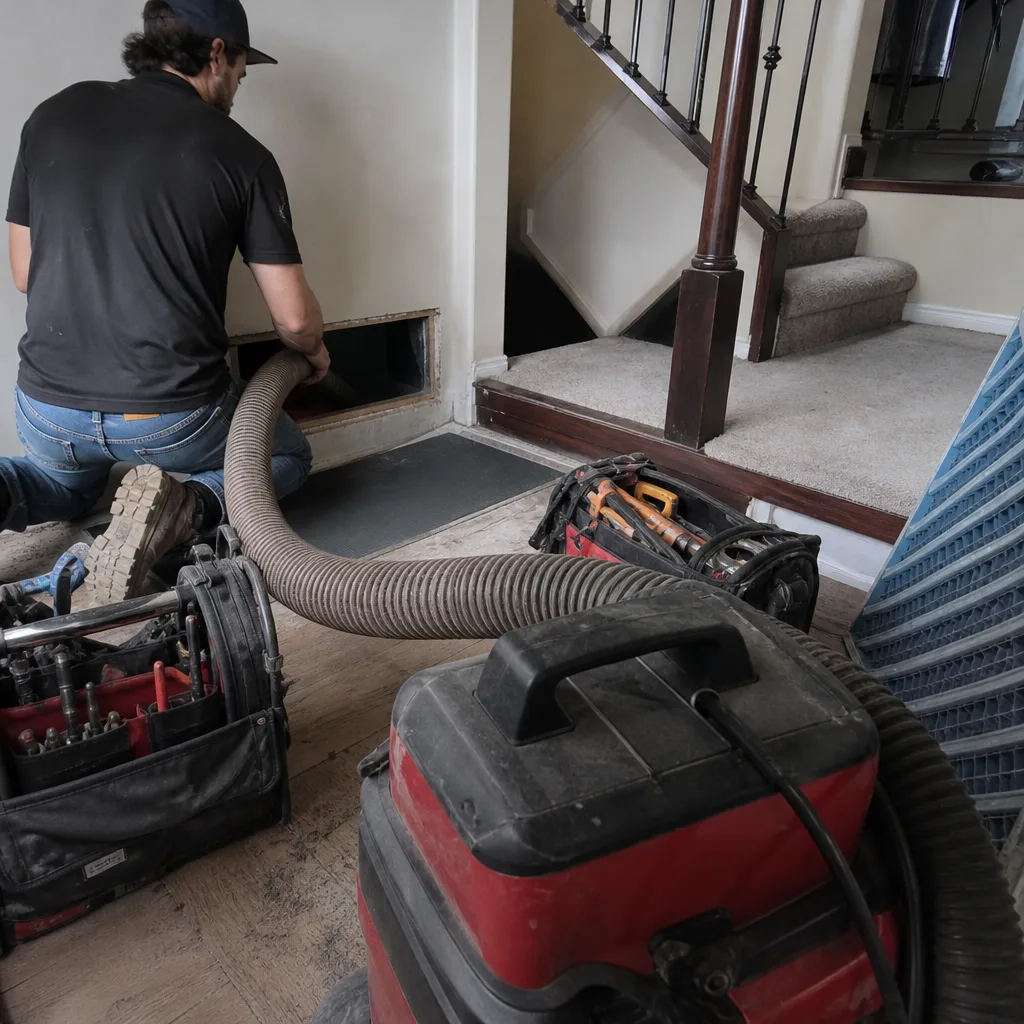 Before
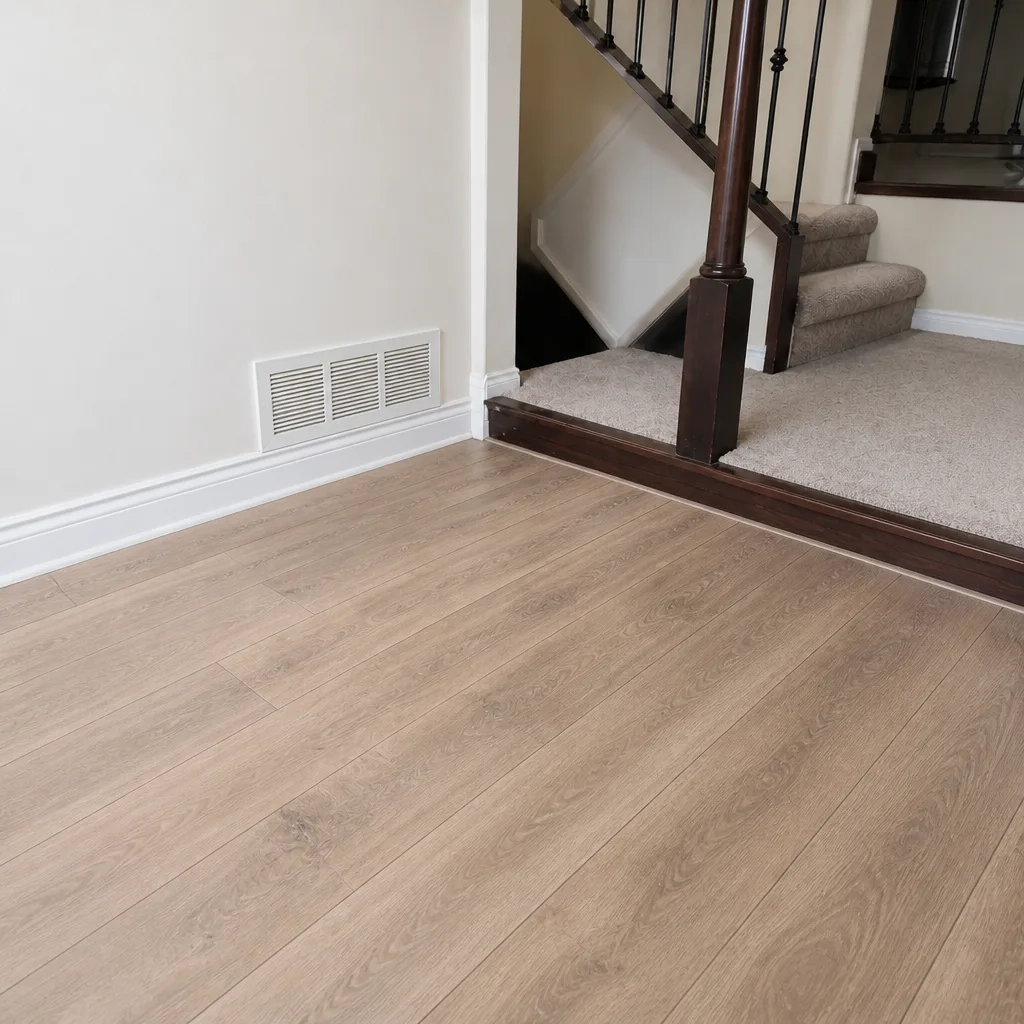 After
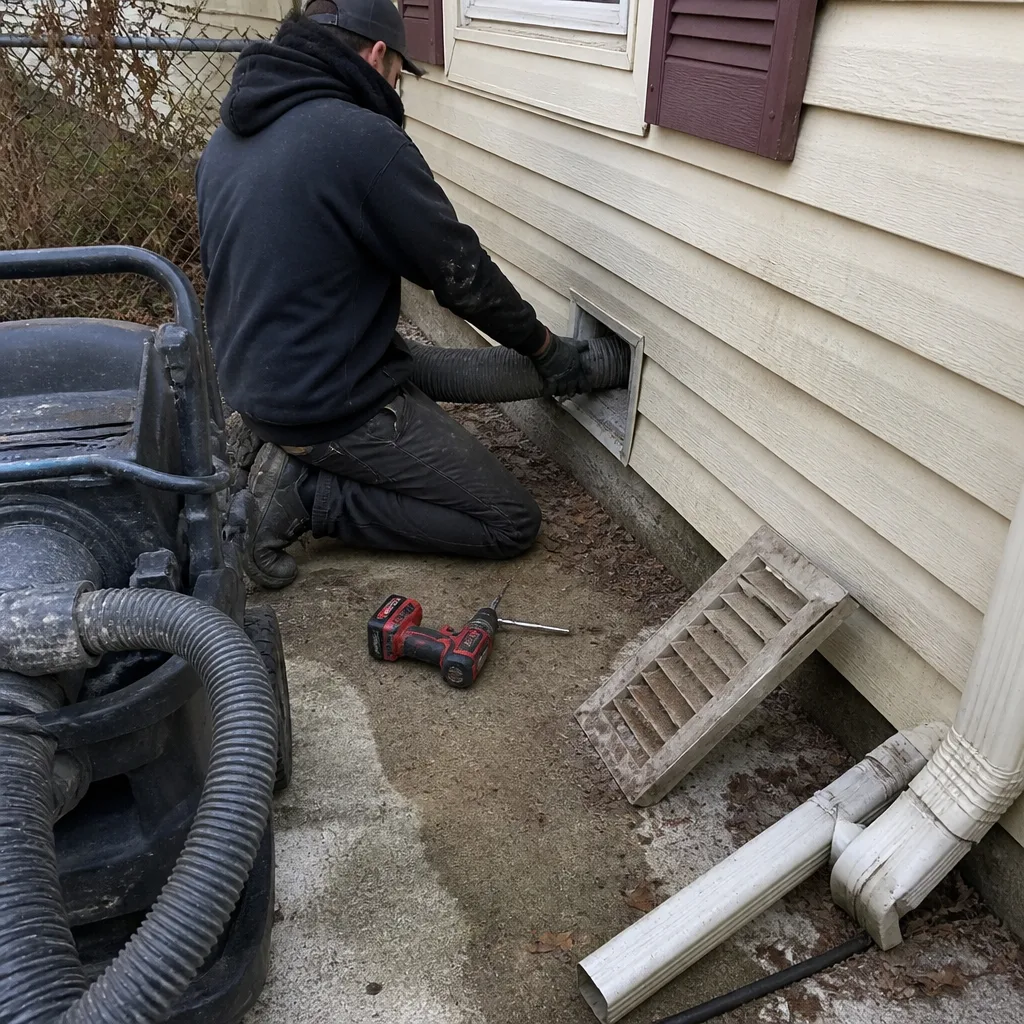 Before
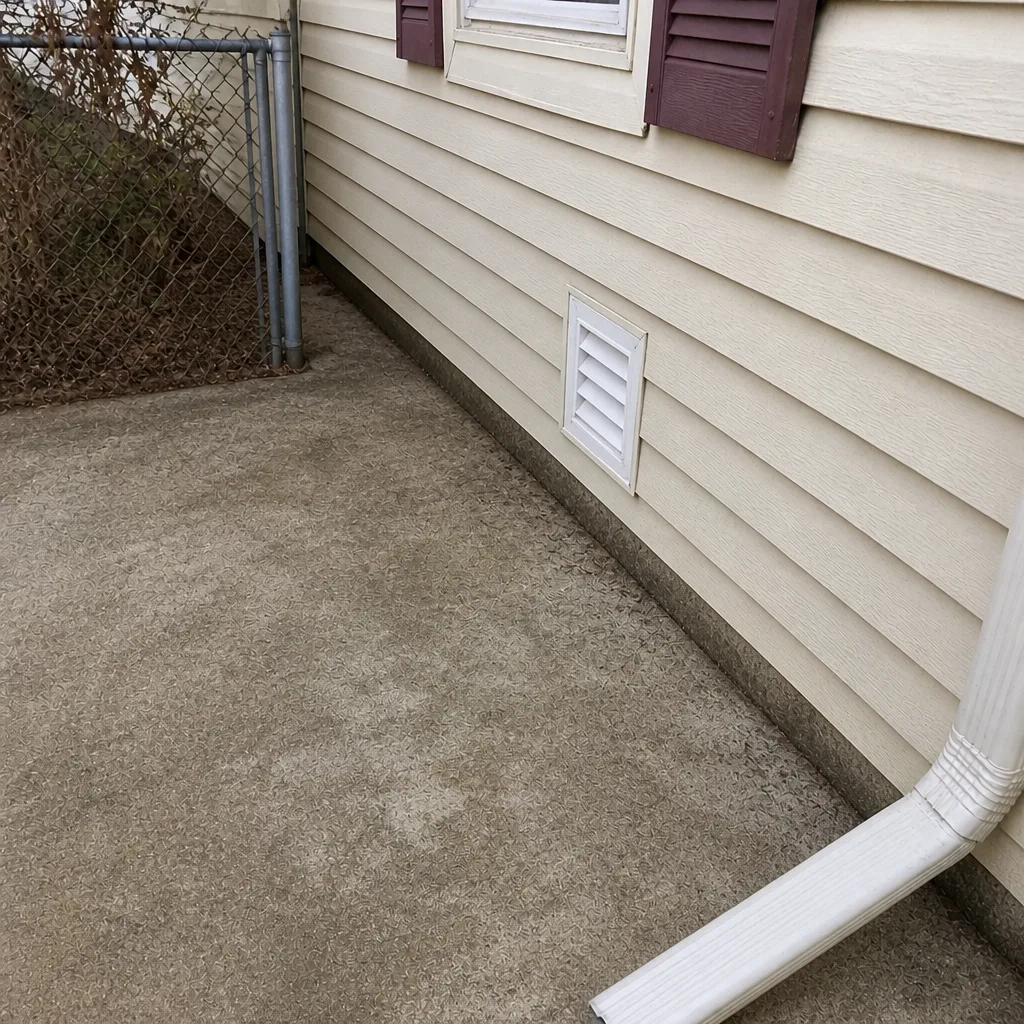 After
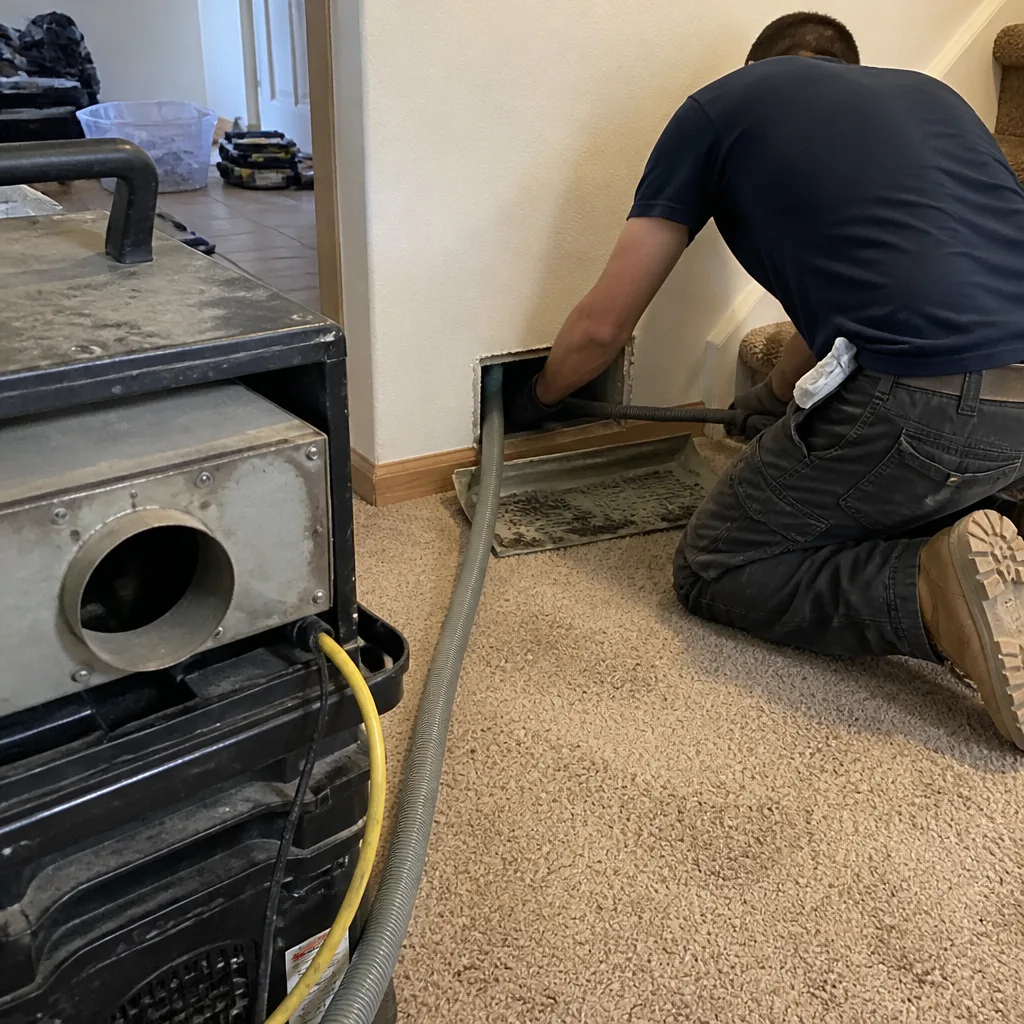 Before
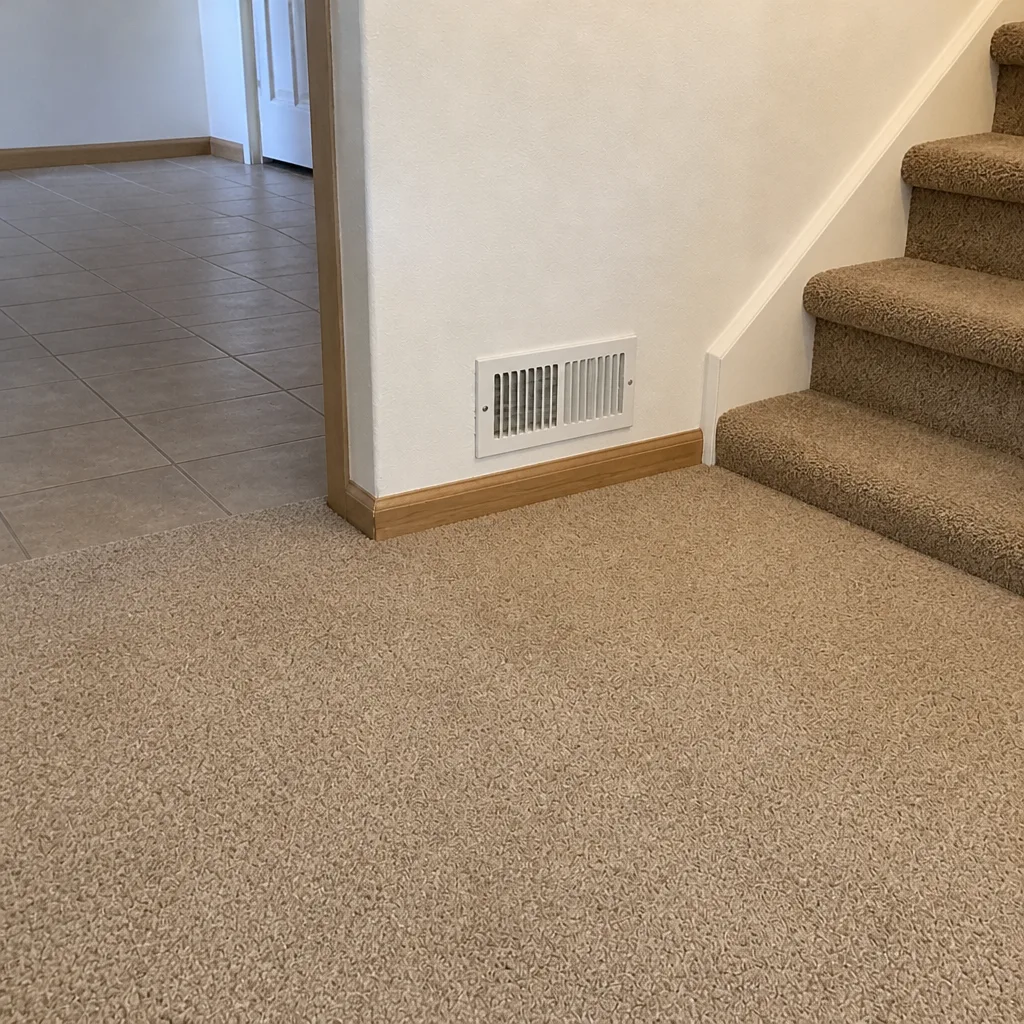 After
When to Call a Professional
A few situations in a Westminster home call for professional equipment rather than a DIY attempt:
- Visible dust buildup around register openings or visible dust on the interior of duct surfaces
- A recent renovation that generated significant drywall or wood dust
- A heavy wildfire smoke season that pushed fine particulate through the system
- Unexplained indoor dust levels that regular cleaning doesn’t resolve
- An HVAC system that has never had its ducts cleaned and is more than a few years old
- A dryer that takes noticeably longer to dry clothes than it used to
- Disconnected, crushed, or sagging flex duct runs discovered during inspection
Ridgeway Air Duct Cleaning offers free estimates in Westminster for duct cleaning, dryer vent cleaning, and duct repair. One flat price per system, agreed before work starts. Call (844) 643-7197. We answer 24/7. Fast dispatch from 7am to 7pm, Sunday through Friday.
Frequently Asked Questions
Pricing is set per job by a written estimate, and the range depends mostly on the system size and which cleaning method is used. One flat price per system is agreed before work starts so the total doesn’t grow once the crew is on site. Call (844) 643-7197 for an exact quote – estimates are free.
Most homes in Westminster benefit from cleaning every three to five years, and sometimes sooner after a heavy wildfire smoke season, a renovation, or a change in pets. The right first step if you’re unsure is an inspection, which tells you whether cleaning is actually needed. Call (844) 643-7197 to schedule one – estimates are free.
Cheaper quotes usually reflect air-only cleaning, no HEPA containment, or per-vent pricing that grows once the crew arrives. In a dry Front Range climate, air-only methods leave the adhered dust layer right where it was. Compare what’s included in each quote, not just the number. Call (844) 643-7197 for a written estimate that spells out the method and equipment.
You should receive before-and-after photos of your own ducts and a written summary of which runs and registers were cleaned. If a company can’t provide both, ask what their verification step consists of. Call (844) 643-7197 to schedule a job that includes verification as standard.
Yes, if the cleaning uses contact agitation and HEPA capture, which removes the fine particulate that settled during the smoke event. Air-only cleaning won’t accomplish the same thing. For homes in Westminster that saw heavy smoke exposure, a proper source-removal job is worth considering before the next heating season. Call (844) 643-7197 for an exact quote.
Yes. Ridgeway Air Duct Cleaning handles air duct repair alongside cleaning and dryer vent cleaning, so if the inspection turns up a disconnected or crushed run, the repair can be part of the same visit. One call, full system. Call (844) 643-7197 to get started – estimates are free.
The Bottom Line
Duct cleaning in Westminster isn’t the same service as duct cleaning elsewhere. The dry Front Range climate makes the dust finer and harder to remove, wildfire smoke seasons add fine particulate to the load, and 1990s and 2000s construction left a housing stock that needs contact agitation, not just air pressure. Source removal with HEPA containment is what actually cleans the system. Before-and-after photos and a written summary are what actually prove it. If you’re ready to see what’s in your ducts, call (844) 643-7197 for a free estimate. We answer 24/7. Fast dispatch from 7am to 7pm, Sunday through Friday.
Written by the team at Ridgeway Air Duct Cleaning.