
Last updated November 16, 2026
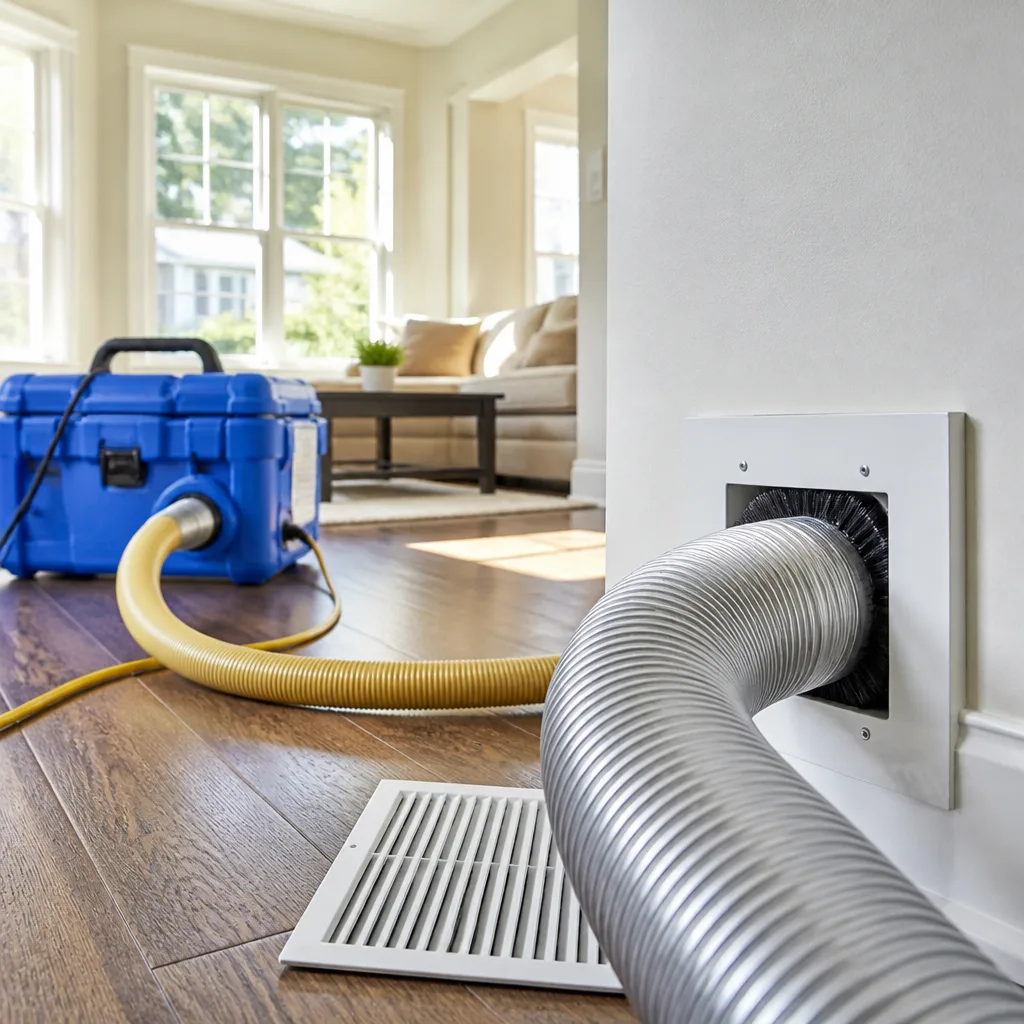 Whole-home duct cleaning
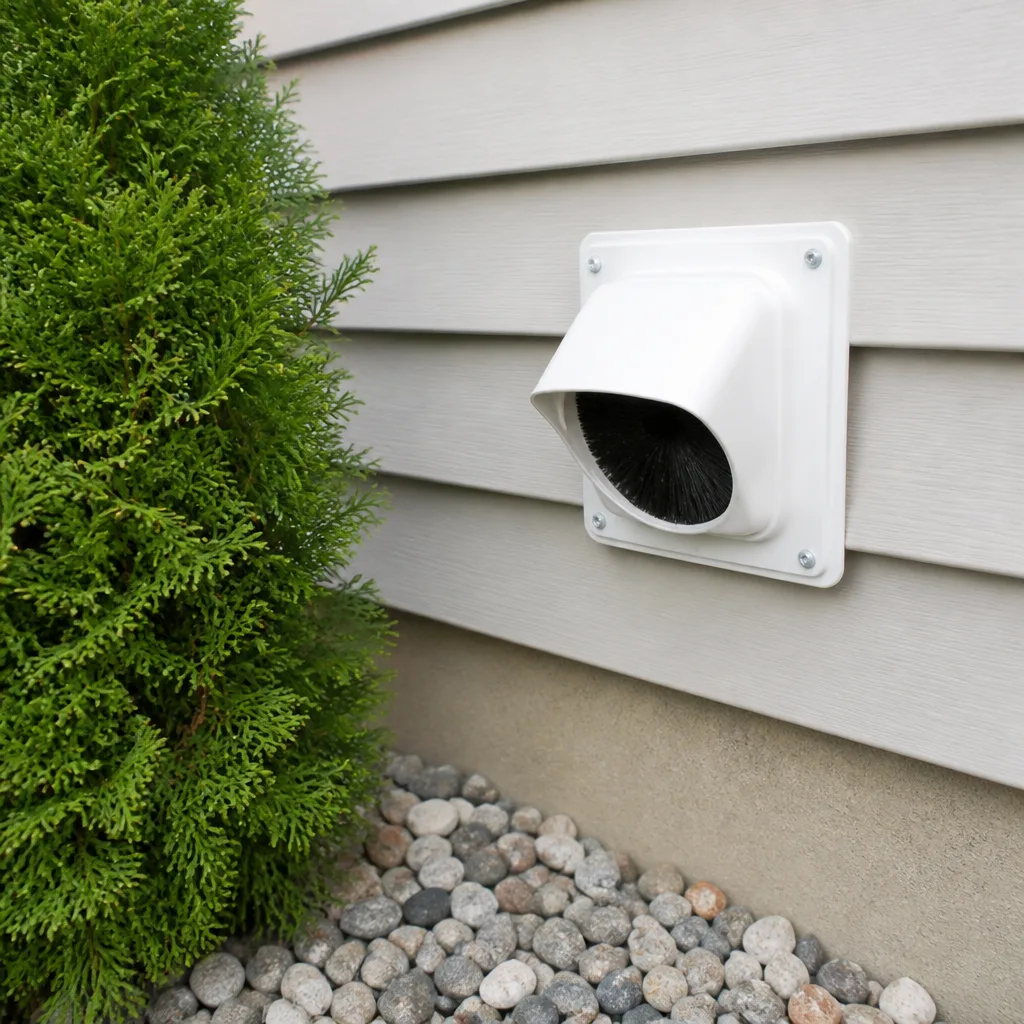 Dryer vent cleaning
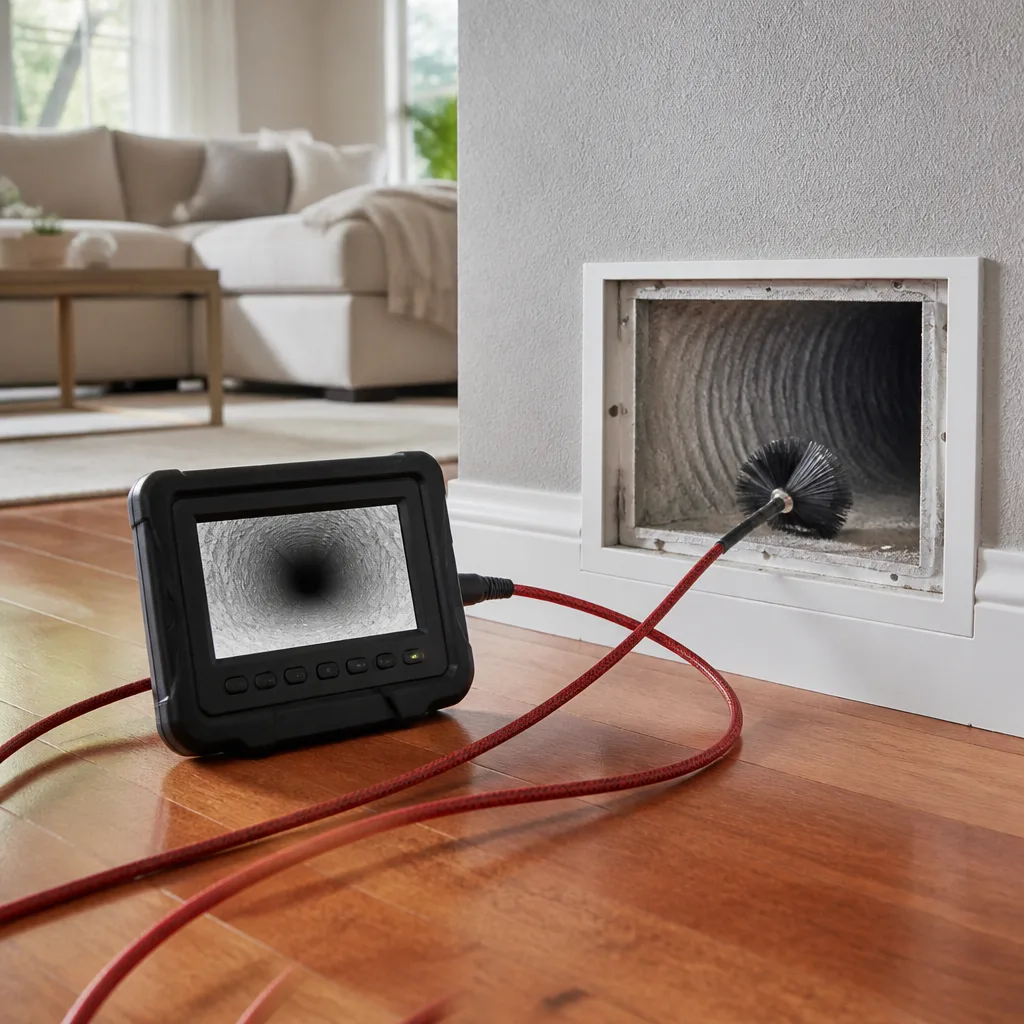 Camera inspection
 Sanitizing & deodorizing
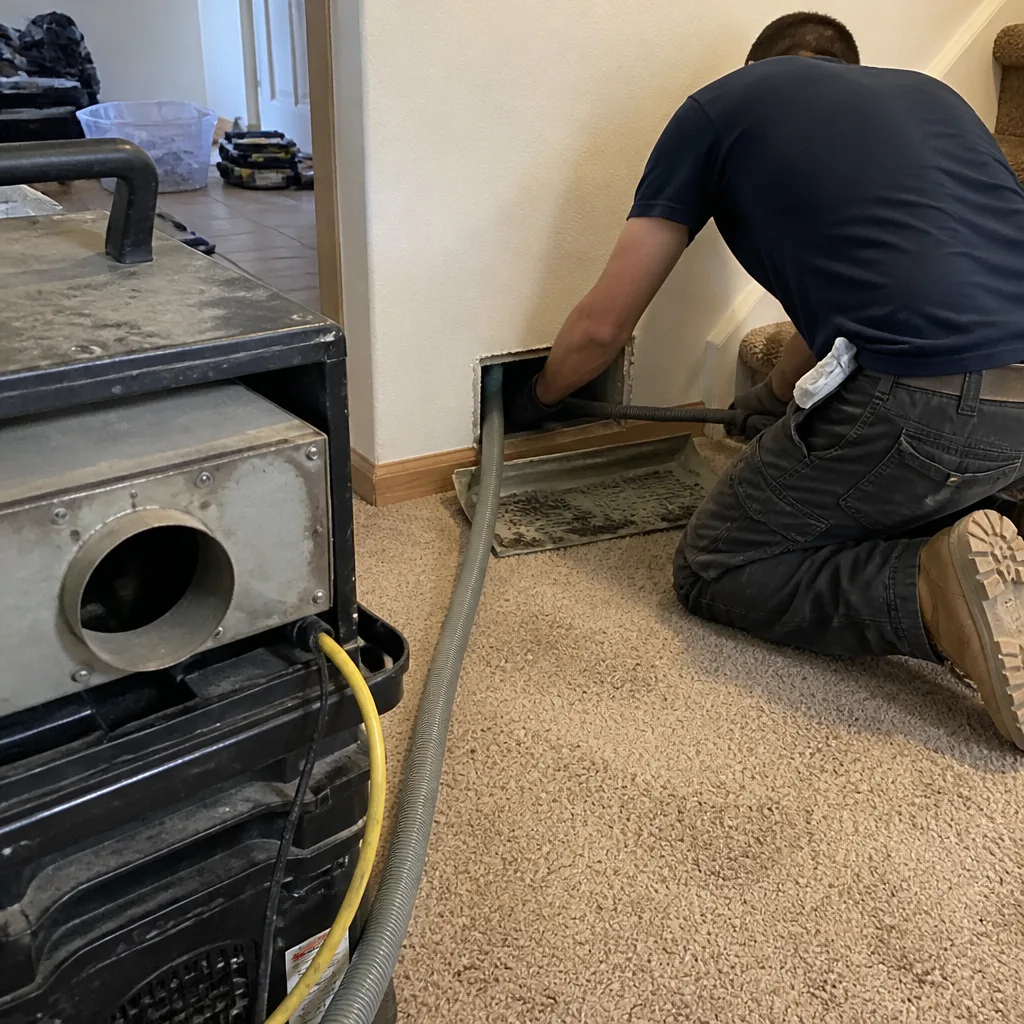
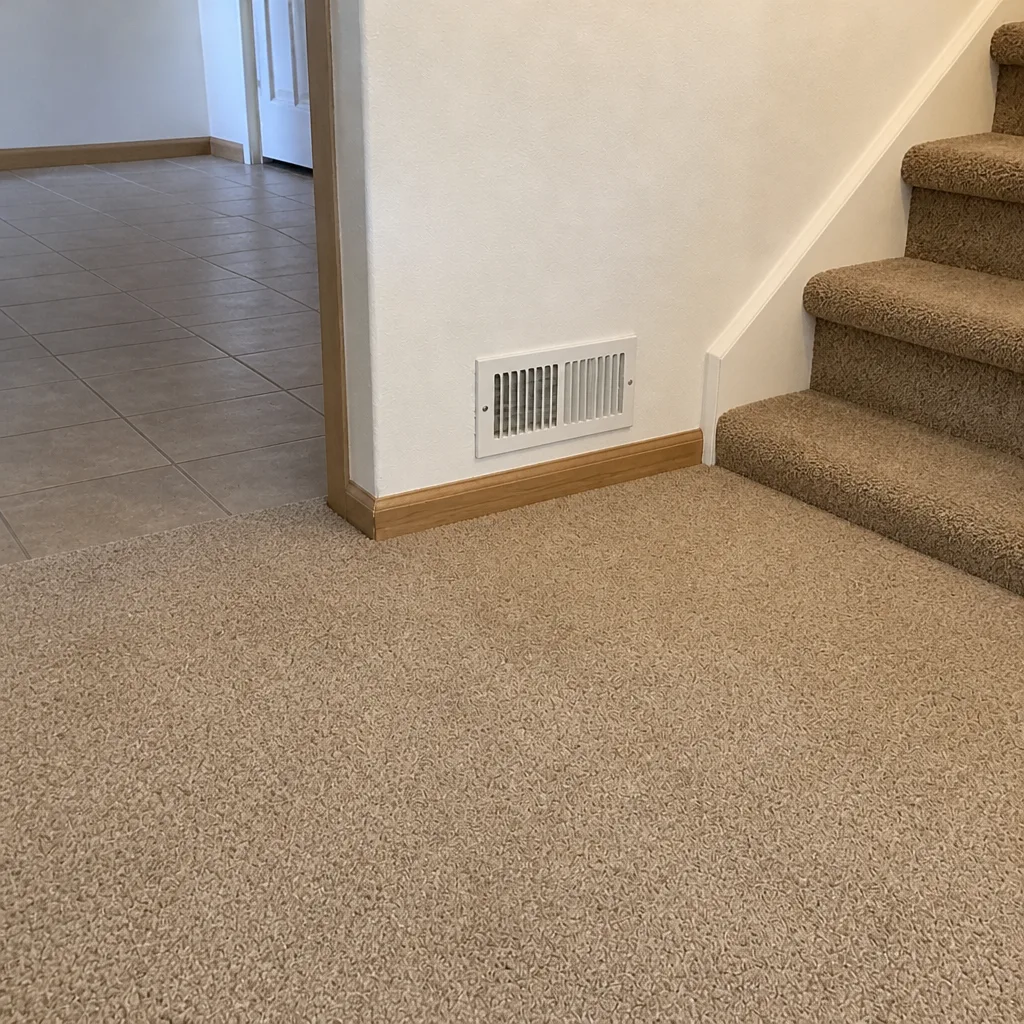
Whole-system duct and dryer vent check with before-and-after photos - you see exactly what came out of your vents
That "$99 whole-house special" is a bait ad - the real number appears once they are in your hallway, or the "clean" is a shop-vac at the register. We photograph the inside of your ducts before and after instead.
How to Hire an Air Duct Cleaning Contractor in Westminster: A Step-by-Step Guide
Most homeowners in Westminster hire a duct cleaning company the way they hire a plumber: they search, they pick the quote that looks best, and they hope. That works fine for a leaking faucet. It doesn’t work for duct work, because a duct cleaning job happens inside sealed metal passages where you can’t watch the work and can’t easily tell afterward whether it was done. The EPA has warned consumers directly about low-ball duct cleaning offers, and the reason is simple: a cheap headline price has no room in it for the equipment this job actually requires. So the real question isn’t whether to be skeptical of a $49 whole-house special. It’s knowing which five questions separate a contractor who will clean your ducts from one who will clean your wallet. This guide walks through all of them, step by step, for Westminster homes.
Quick Answer
To hire an air duct cleaning contractor in Westminster, verify three things before you book: the agitation method they use on duct walls (contact cleaning, not air-only blasting), their negative-pressure and HEPA capture equipment, and whether they’ll show you that equipment before work starts. Compare quotes line by line rather than by total, confirm NADCA membership and current liability coverage, and treat any on-site upsell for mold treatment offered before cleaning begins as a stop sign. A written, itemized estimate agreed before work starts is the single best protection you have.
Styles & brands we work with
- Whole-home duct cleaning
- Dryer vent cleaning
- Camera inspection
- Sanitizing & deodorizing
Table of Contents
- What the Westminster Duct Cleaning Market Actually Looks Like
- The Three Equipment Questions to Ask Before Booking
- Why NADCA Membership Is a Baseline, Not a Guarantee
- How to Compare Quotes Apples to Apples
- Red Flags in In-Person Sales Behavior
- Verifying Liability Coverage for Work Inside a Finished Home
- Westminster-Specific Factors That Affect the Job
- The Step-by-Step Hiring Process
What the Westminster Duct Cleaning Market Actually Looks Like
Westminster is a city of mixed housing stock, and that shapes what a duct cleaning job looks like here. Older neighborhoods carry older duct systems. The sprawling subdivisions built around the city’s growth years carry longer, more branching duct runs with more joints, more flex duct, and more places for debris to settle. A contractor who quotes one flat number for every Westminster home without looking at the system is quoting a guess.
Our technicians have up to 8 years of experience working in duct systems across the Denver metro, and the pattern we see most often is this: a homeowner books a cheap special, the technician arrives, walks the house, and within minutes the price has changed. Sometimes it’s a “mold discovery.” Sometimes it’s a “sanitizing treatment” that wasn’t in the original quote. Sometimes it’s a per-vent charge that only appears after the equipment is inside. The bait-and-switch isn’t an urban legend in this trade. It’s a business model, and it depends on you booking before you’ve asked the right questions.
Working with a duct cleaning company that leads with equipment changes that dynamic, because the conversation starts with what’s actually being done to your ducts rather than what the special costs. That’s the shift this guide is built around. When you vet a contractor on process and equipment, the pricing conversation becomes boring, which is exactly what you want.
One more local factor worth naming: the dry Colorado air and the amount of construction dust that moves through Westminster’s newer developments mean duct systems see a specific kind of fine particulate loading. That doesn’t mean every home needs cleaning right now. It means the contractor you hire should be able to explain what they expect to find in your system before they start, and what their equipment will do about it. Vague talk about “improving air quality” is not that explanation.
The Three Equipment Questions to Ask Before Booking
This is the heart of the guide. A duct cleaning company’s equipment determines whether the job gets done, and almost no homeowner asks about it. Ask these three questions on the phone, before anyone comes out. The answers tell you more than any review page will.
Question 1: What agitation method do you use on the duct walls?
Dust and debris bond to duct surfaces, especially in systems that have run for years. Air alone, blown through a duct, moves loose material but leaves the adhered layer in place. Contact cleaning uses a rotary brush or whip system that physically agitates the duct wall while extraction runs, and it’s the difference between a duct that looks clean from the register and one that is clean.
- Acceptable answer: a named contact-cleaning system, such as a Rotobrush rotary brush, with an explanation of how it agitates and extracts at the same time.
- Vague answer: “we use a special machine” or “we blow them out with compressed air.”
- Red flag: air-only cleaning presented as the full method, with no agitation step at all.
Question 2: What provides the negative pressure?
Cleaning a duct system without negative pressure is like dusting a room with a fan running. Sure, you’re moving the dust, but not out of the room. Negative pressure means the collection equipment pulls air out of the duct system, so loosened debris travels toward the vacuum rather than into your living space. Ask what equipment class provides that pressure.
Question 3: How is the debris captured, and what rating is the filter?
Negative pressure pulls debris out. The filter decides whether it stays captured. HEPA-rated filtration captures fine particulate that a standard shop vacuum releases back into the air, which is the entire reason professional remediation work uses HEPA systems. Ask the filter rating directly. If the answer is a model number without a rating, ask again.
- Acceptable answer: HEPA-rated vacuum systems, named or described by rating, with an explanation of where the exhaust goes.
- Vague answer: “industrial vacuum” with no rating.
- Red flag: a standard shop vacuum, or a truck-mounted unit described only by horsepower.
The air duct cleaning process we run uses Rotobrush contact cleaning paired with Nikro HEPA vacuum systems and Abatement Technologies negative-air equipment, which is the same class of equipment used on commercial remediation projects. Not every contractor needs to use those specific brands. But every contractor should be able to answer all three questions with specifics, and if they can’t, you’ve learned what you needed to know.
Why NADCA Membership Is a Baseline, Not a Guarantee
NADCA, the National Air Duct Cleaners Association, publishes the industry’s assessment, cleaning and restoration standard and offers a certification path for technicians and companies. Membership signals that a contractor has put their name on the industry’s recognized standard. It does not guarantee the work is done well. A laminated logo on a quote sheet costs nothing, and plenty of companies display one without following through on the equipment side.
Here’s how we’d weight it if you’re comparing Westminster contractors:
- Check membership and certification. Ask for the company’s NADCA member status and whether the technicians who will do the work hold certification. A contractor who can’t answer directly, or who deflects, is telling you something.
- Confirm the standard they work to. Ask which cleaning standard they follow. A serious contractor can name it. It’s a useful tell because it forces them to talk process, not price.
- Ask what happens after cleaning. The NADCA standard covers assessment before and verification after. Ask how they verify the work, and whether you’ll get photos of your own ducts before and after. If verification isn’t part of the offer, the logo means less.
- Look beyond the logo for equipment and method. Membership plus named equipment plus a verification step is a strong combination. Membership alone is a starting point, not a finish line.
In our experience, the Westminster homeowners who are most satisfied with the work they get are the ones who asked about standard, method, and verification before booking, and who cared least about the number in the coupon. That’s the order this process should run in.
How to Compare Quotes Apples to Apples
Three quotes from three contractors rarely line up, because they’re not quoting the same scope. One quotes air-only cleaning. One quotes contact cleaning plus sanitizing. One quotes a flat rate and adds line items on site. Before you compare totals, normalize the scope.
Here’s what an itemized estimate should show you:
- Number of supply and return vents and registers included. A whole-system price should state how many of each. Per-vent pricing is a red flag in its own right, because it lets the final total climb with every room counted.
- Main trunk lines and branch runs covered. Long runs and multiple returns take time and equipment. A quote that doesn’t mention them may not address them.
- Equipment to be used. Named equipment or described equipment class. This is the line that most cheap quotes omit.
- Whether the air handler or furnace cabinet is cleaned. The blower compartment and the seams around it collect debris. A quote that stops at the duct mouths is incomplete.
- Registers and grilles. Are they removed and cleaned individually, or wiped in place?
- Verification step. Before-and-after photos of your ducts, taken by the technician.
- What “sanitizing” means, exactly. This is the biggest vagueness trap. Ask whether it’s a fogging treatment, a coil cleaner, or a duct-surface application, which product, and why your system needs it. If the answer is “it kills everything,” keep asking. Sanitizing is a treatment, not a substitute for cleaning. On many projects it isn’t needed at all, and it should never be sold before the ducts are clean.
When the line items line up, compare totals. When one quote is missing the equipment line or the verification line, the total isn’t comparable and the cheap quote is telling you what it plans to skip. We’ve seen Westminster homeowners get burned by quotes that looked like the best deal until the truck arrived, and in every case the missing line item was visible in the original quote. Nobody had to read the fine print. They just had to read the equipment line.
The same approach applies to dryer vent cleaning. That’s a safety service, not a maintenance upsell, because lint buildup in the vent line is a fire risk and a restriction on the appliance. When you quote it alongside duct work, ask separately what’s included: how much of the vent run they address, whether they use a rotary brush, and whether they verify airflow before they leave.
Red Flags in In-Person Sales Behavior
The phone call filters out the worst of them. The in-person visit is where a bait-and-switch either happens or doesn’t. Here’s what to watch for once a technician is in your home.
- An immediate upsell for mold treatment before cleaning has started. Mold assessment belongs after cleaning, not before it. If a technician opens a register, takes one look, and tells you that you need mold remediation before the ducts have been cleaned, that’s a sales script, not an assessment. Ask for a photo and an explanation of what they’re seeing.
- Refusal to show the equipment before work begins. A contractor with serious equipment is proud of it. Ask to see the agitation tool, the vacuum unit, and the filter. A refusal, or a deflection toward “it’s in the truck,” tells you what you need to know.
- A price that changes after arrival. A written estimate should survive contact with your house. Small adjustments for conditions not visible on the phone are possible, but the estimate you agreed to should hold, and any change should be discussed before work starts, not after it’s underway.
- Per-vent pricing presented after the equipment is set up. This is the classic mechanism behind the $49-to-$600 jump. Whole-system pricing agreed in advance kills it.
- No before-and-after photos. Cleaning happens where you can’t see it. Photos of your own ducts are basic verification. If they aren’t offered, ask why.
- Pressure to decide right now. A serious contractor will give you a written estimate and let you think. A hard close on the spot is a signal about the business model, not the ducts.
The pattern underneath all of these is the same: a low ball price on the phone that becomes a far larger invoice once the technician is in the house and the equipment is in the system. Westminster homeowners are not uniquely targeted by this. But the fix is local: ask the five questions, insist on the written estimate, and confirm that the price you agree to is a flat, whole-system price. That’s the arrangement we work to, and it should be the floor for anyone you hire.
Verifying Liability Coverage for Work Inside a Finished Home
Duct cleaning involves ladders, hoses, heavy vacuum equipment, and access panels in ceilings, floors, and closets. It happens inside a finished house, often near furniture, electronics, flooring and paint. If something gets scratched, cracked, or knocked over, you want the contractor’s liability insurance to be the thing that handles it, not a handshake and a promise.
Verification is a two-minute conversation, and a professional contractor won’t flinch at it.
- Ask for a certificate of insurance. A COI from the carrier lists general liability coverage and the policy’s effective dates. A legitimate contractor can produce one without drama.
- Confirm the coverage is current. The dates on the certificate should be in effect for the day of the job. Lapsed coverage is no coverage.
- Ask about workmanship coverage separately. Liability covers damage to your home. It does not cover the quality of the cleaning itself. Those are two different questions, and both matter.
- Ask what happens if a duct access panel is damaged. Reinstalling panels correctly is part of the job. A contractor who does duct repair as part of their service handles this differently than one who refers it out, and you want to know which one you’re hiring before anyone opens a panel.
We also work with and around Honeywell and Aprilaire indoor air quality systems. If you have filtration equipment installed on your HVAC system, ask any contractor you’re vetting whether they’re authorized to work around it, and whether they’ll remove and reinstall consistent with the manufacturer’s requirements. That’s a coverage-and-competence question in one.
Westminster-Specific Factors That Affect the Job
Westminster’s housing stock runs the gamut, from older homes near the city’s established neighborhoods to newer builds in the growing subdivisions around the city limits. Older homes often have duct systems that have gone through multiple remodels; the return-air paths in particular can be undersized, disconnected, or retrofitted in ways that only show up under negative-pressure testing. Newer builds carry long, branchy runs with plenty of flex duct and joints, which collect fine debris in ways that short straight runs don’t.
The dry Front Range climate matters too. Low humidity means more airborne dust from construction, landscaping, and seasonal activity rides through the system, and duct surfaces hold onto that fine particulate. That’s why contact cleaning and HEPA capture matter here specifically: agitating the duct wall gets the bonded layer moving, and HEPA capture keeps it out of the room. Westminster homes also see seasonal swings between heating season and cooling season that change airflow patterns and where debris settles, which is one reason a pre-work assessment matters more than a phone quote.
Permits are worth a check if the work goes beyond cleaning. If the scope includes new duct runs or major alteration to HVAC equipment, ask the contractor whether a permit is required by the city, and get that answer before work starts. Cleaning and repair generally don’t need a permit, but if the job has grown into something that does, you want to know from the contractor, not find out later. We can’t speak for every job, so we tell Westminster homeowners to ask the city’s building department directly if the scope is anything more than access and clean.
The Step-by-Step Hiring Process
Here’s the sequence, in order. Run it once and you’ll be ahead of most homeowners calling for duct work in Westminster.
- Search and shortlist three contractors. Include one national brand, one local operator, and one you’ve heard about from a neighbor. Reviews are a starting point, not the decision.
- Call and ask the three equipment questions. Agitation method, negative pressure source, and debris capture with filter rating. Write down the answers. A vague answer is an answer.
- Confirm NADCA membership and what it’s paired with. Membership, named equipment, and a verification step. All three, ideally.
- Ask for a written, itemized estimate. Scope, equipment, vent counts, sanitizing if any, repair scope if any, and the verification step. Push on any vague term.
- Request the certificate of insurance. Confirm dates. Ask about workmanship coverage separately.
- Book the job and agree the price in writing before work starts. One flat price for the whole system, agreed in advance, is the standard.
- Confirm the verification process before the technician leaves. Photos of your ducts, before and after. A walk-through of what was done. A chance to ask questions with the equipment still on site.
Common Mistakes to Avoid
- Booking on the coupon price alone. The headline price is a sales mechanism. Ask what the final price will be for your actual system, in writing, before anyone comes out. A company that can’t give you that number is planning to change it.
- Skipping the equipment questions because the reviews were good. Reviews describe the experience, not the method. They also don’t tell you if the price held. Ask both.
- Comparing quotes by total without comparing scope. A quote that omits the equipment line, the main trunk, and the verification step is cheaper because it’s doing less. Normalize the line items first, then compare.
- Accepting a mold-treatment upsell before cleaning. Any treatment recommendation needs to follow the cleaning, with photos and an explanation. If it comes first, it’s a sales script.
- Assuming a logo equals the standard. NADCA membership is a baseline. What matters is whether the cleaning is contact-based, whether the capture is HEPA, and whether the results are verified on your own property.
- Neglecting the dryer vent because ducts get all the attention. Dryer vent cleaning is a fire-safety line item, not a luxury. Ask about it as a separate scope when you book duct work.
- Not asking about repair scope. Access panels get opened and sometimes need reinstalling. Disconnected runs and damaged flex duct show up during cleaning. A contractor who can repair the duct work on the same visit saves you a second booking.
See the difference
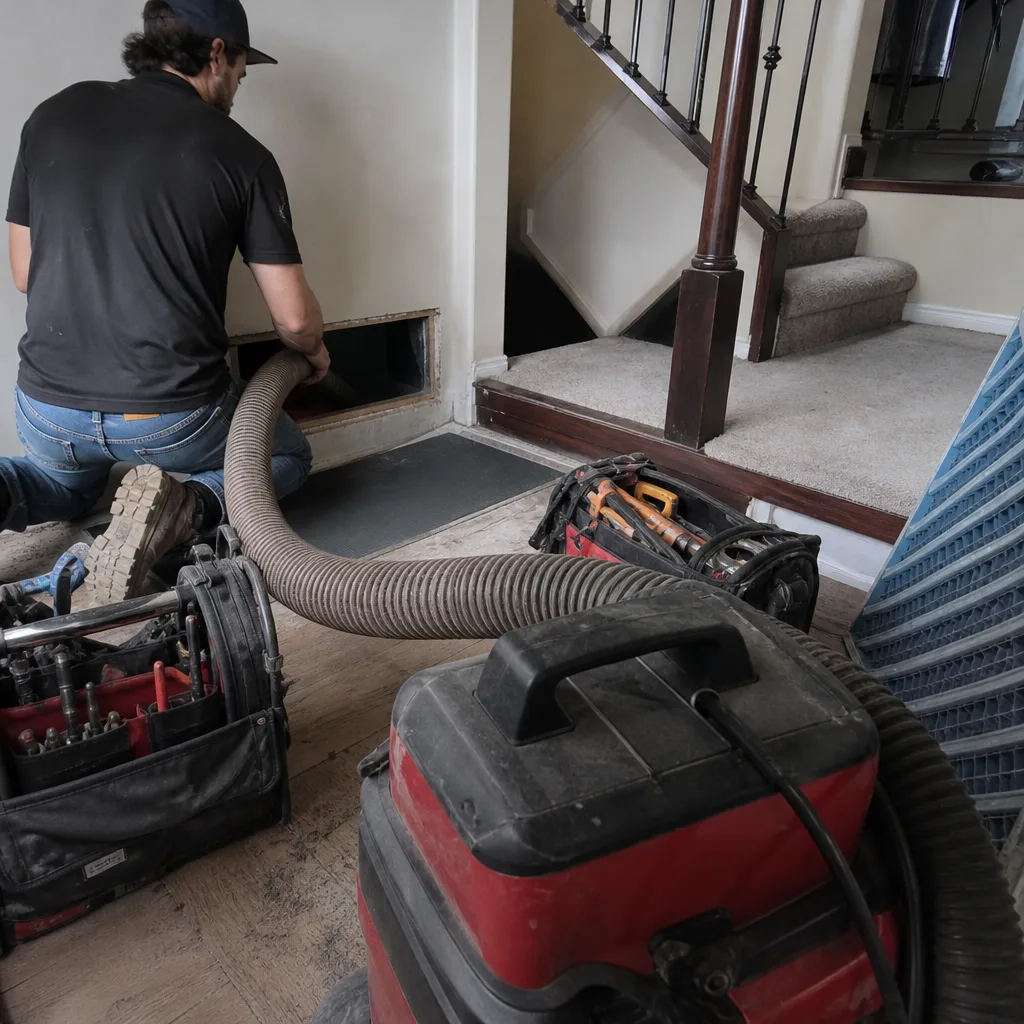 Before
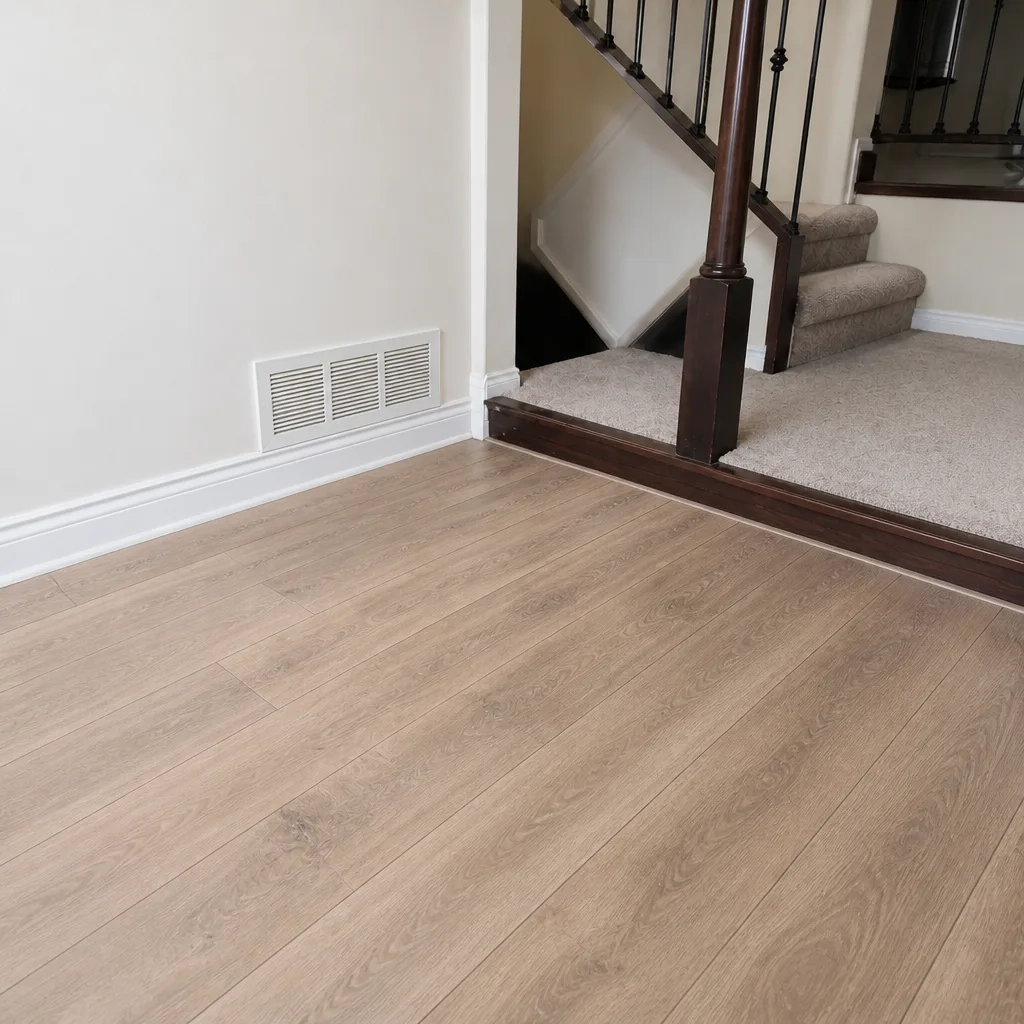 After
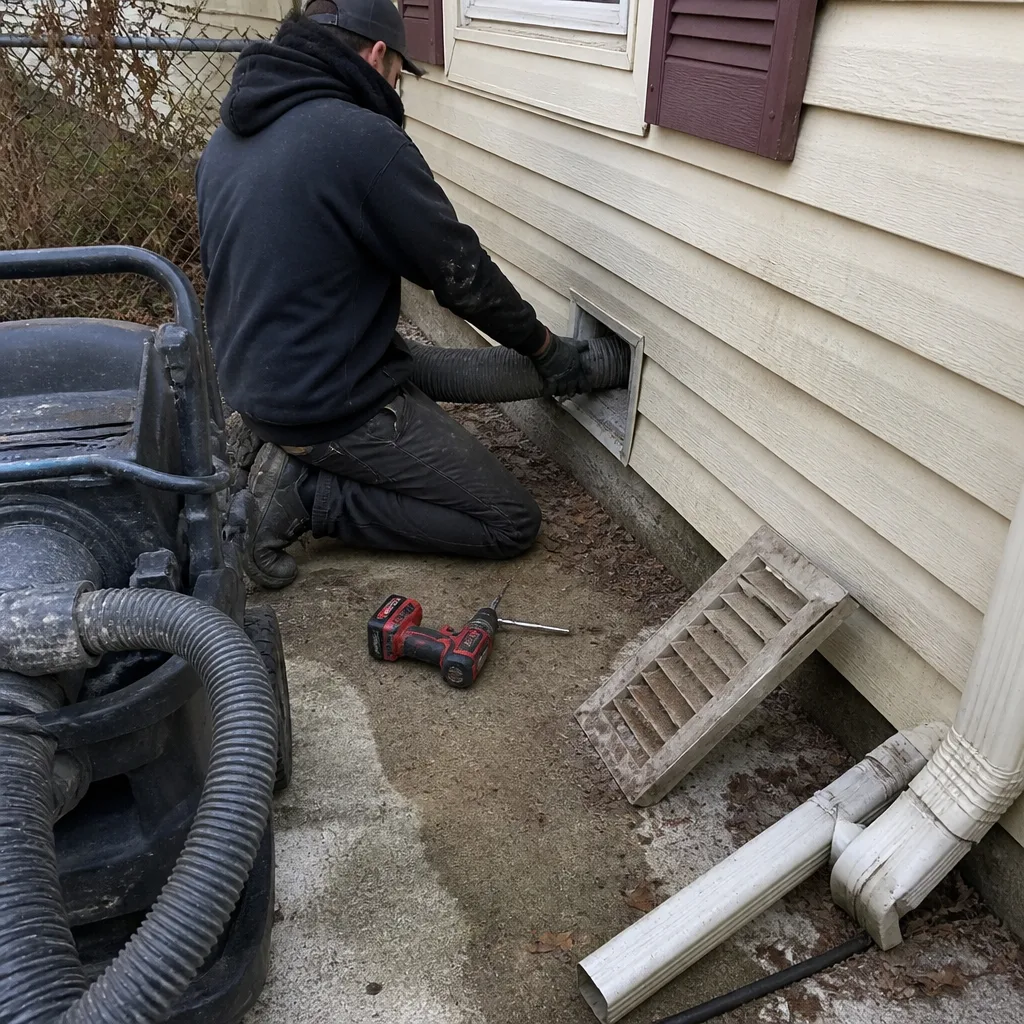 Before
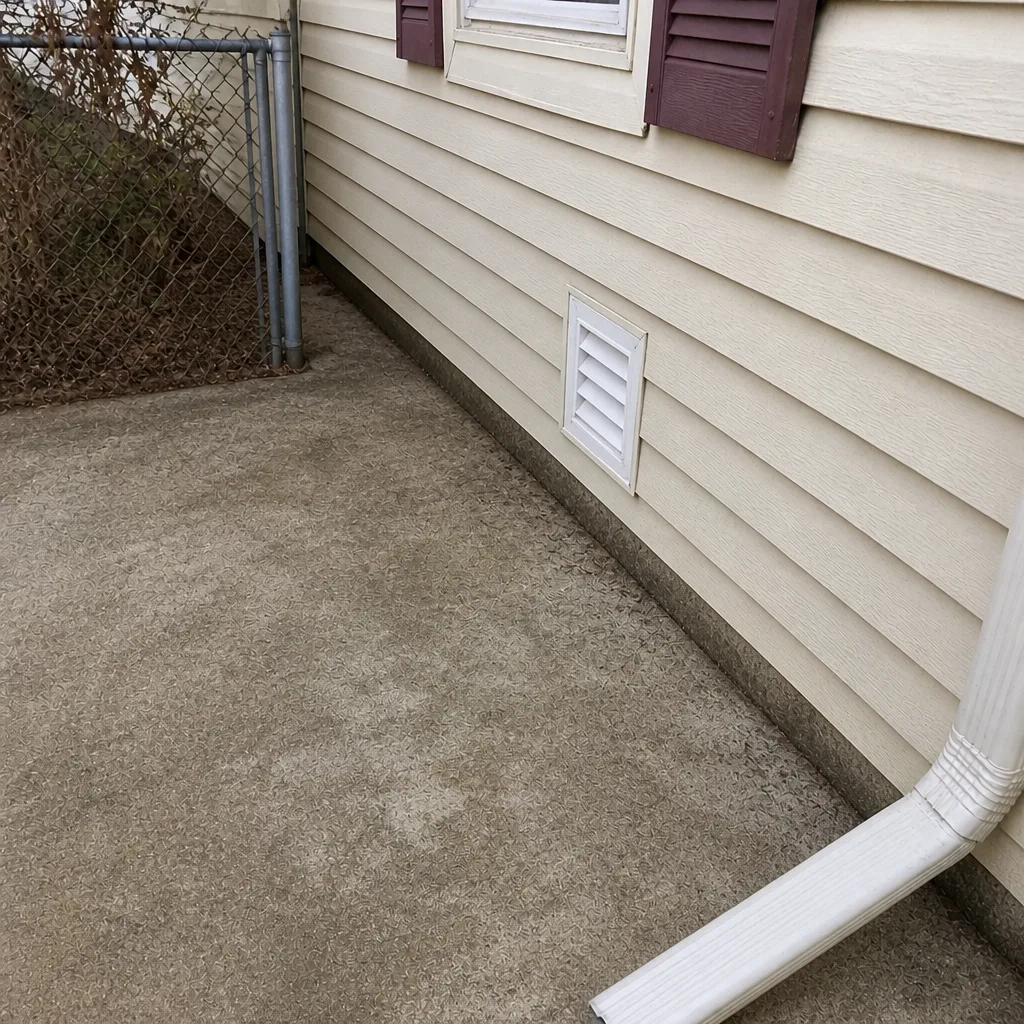 After
 Before
 After
When to Call a Professional
Duct cleaning is not a service that needs a fixed annual schedule. It’s driven by conditions: a recent major remodel or construction project in the home, visible dust streaking from the registers, water intrusion or moisture in the HVAC system, an infestation that has affected duct work, or a home that has sat through years of heavy use without attention. Dryer vent cleaning is a separate safety case; if you can’t remember the last time the vent line was checked, it’s worth checking.
There’s also a set of situations where you should stop diagnosing and call a professional. Airflow that’s dropped noticeably in one part of the home, a return that feels weak, or visible gaps at duct connections all need eyes on the actual system. Those are repair questions, not cleaning questions, and the earlier they get looked at, the less likely a small problem turns into a large one.
Ridgeway Air Duct Cleaning offers free estimates in Westminster. Call (844) 643-7197 to get started. We answer 24/7. Fast dispatch from 7am to 7pm, Sunday through Friday. Our technicians have up to 8 years of experience, use Rotobrush contact-cleaning systems, Nikro HEPA vacuums, and Abatement Technologies containment equipment, and handle duct cleaning, dryer vent cleaning, and duct repair as a single scope. Prices are set per job by the written estimate, and we show before-and-after photos of your own ducts when the work is done.
Frequently Asked Questions
Whole-system duct cleaning in Westminster typically runs in the low hundreds of dollars for a standard home, with the final price depending on the number of supply and return lines, the length of the runs, and whether repair is needed. We won’t quote a per-vent price or a coupon figure, because those numbers are how the bait-and-switch starts. Call (844) 643-7197 for a free estimate and a flat, whole-system price agreed before work starts.
Cheap quotes are cheaper because the scope is smaller: air-only cleaning instead of contact cleaning, a shop vacuum instead of HEPA capture, and a price that climbs once the technician is in the house. The cheaper quote isn’t a better deal on the same job; it’s a different job. Ask the three equipment questions and compare line items, then compare totals. Call (844) 643-7197 if you want an itemized estimate to compare against.
Before-and-after photos of your own ducts, taken by the technician, plus a walk-through of what was done before the equipment leaves your home. Cleaning happens where you can’t watch, so verification is the substitute for watching. A contractor who doesn’t offer photos is asking you to take the work on trust. Call (844) 643-7197 for an estimate that includes the verification step.
There’s no fixed interval that fits every Westminster home. Count the conditions, not the years: a recent remodel, visible dust at registers, water intrusion, or a system that’s had heavy use without attention. If none of those apply, you likely don’t need it yet. If two or three do, it’s worth a look. Call (844) 643-7197 for a free assessment of your system.
No. It’s a baseline that confirms the contractor has signed on to the industry’s recognized standard, but it doesn’t tell you what equipment they’ll use or whether the results will be verified. Pair it with the equipment questions and a written, itemized estimate. Call (844) 643-7197 if you want both in writing.
Yes. Duct cleaning and duct repair are handled as one scope, so a disconnected run or damaged access panel found during cleaning gets addressed on the same job rather than referred out. Dryer vent cleaning is also available as a separate line item on the same estimate. Call (844) 643-7197 to book an estimate. We answer 24/7. Fast dispatch from 7am to 7pm, Sunday through Friday.
The Bottom Line
Hiring a duct cleaning contractor in Westminster is a vetting exercise, not a price comparison. Ask about agitation method, negative pressure, and HEPA capture before you book. Treat NADCA membership as a baseline and pair it with named equipment and a verification step. Compare itemized quotes, not totals. Watch for the on-site upsell and the price that changes after arrival, and confirm liability insurance before anyone opens a panel. When those pieces line up, the price discussion gets simple, because the job is clearly defined and the contractor can stand behind it in writing.
Call (844) 643-7197 for a free estimate. We answer 24/7. Fast dispatch from 7am to 7pm, Sunday through Friday. We’ll walk through the three equipment questions with you, give you a written, whole-system estimate, and show you before-and-after photos of your own ducts when the work is done.
Written by the team at Ridgeway Air Duct Cleaning.