
Last updated November 16, 2026
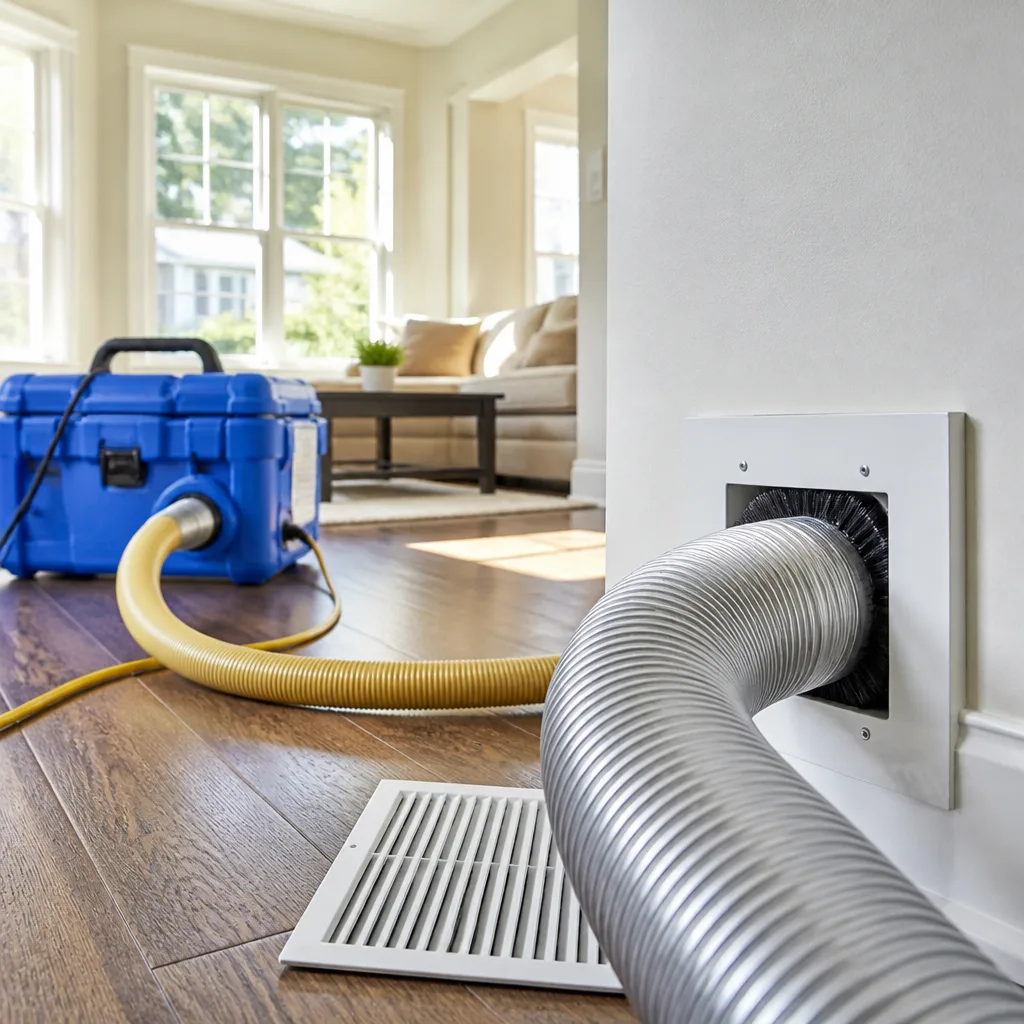 Whole-home duct cleaning
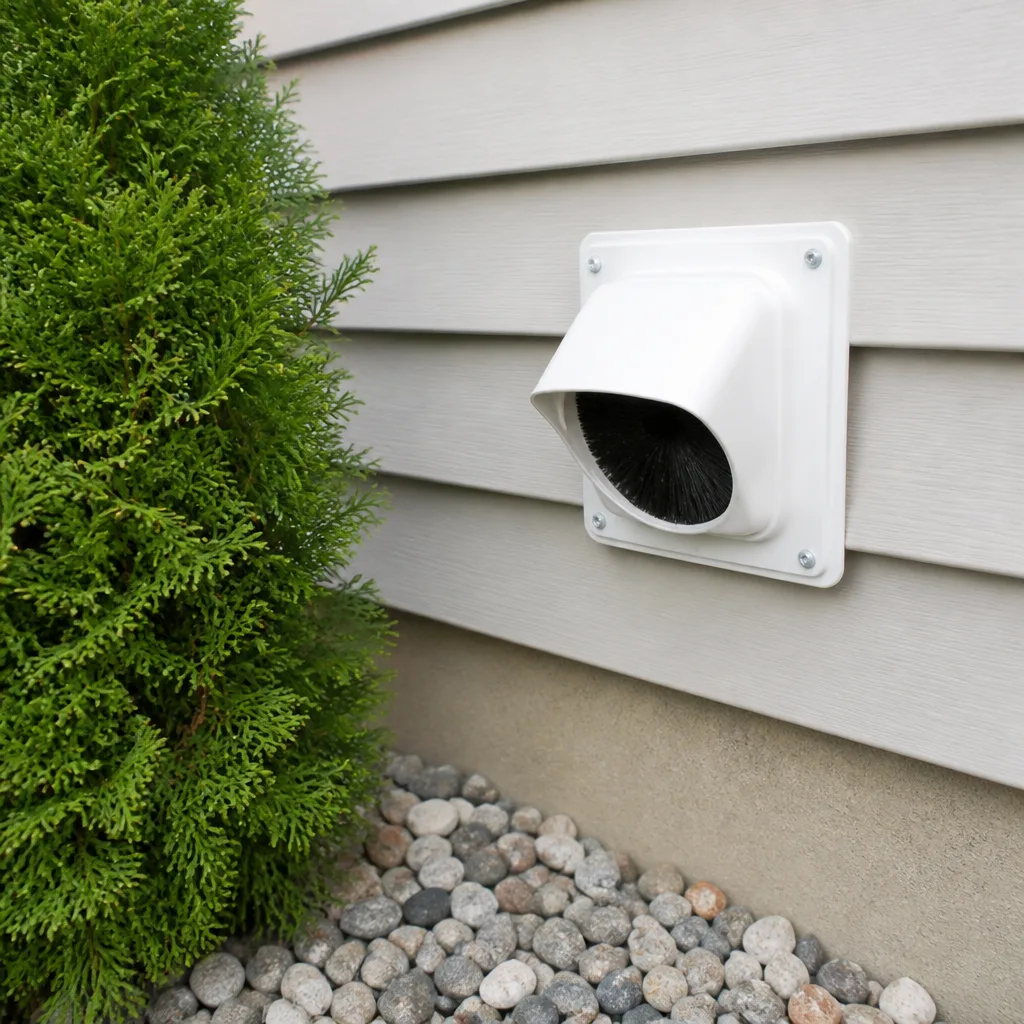 Dryer vent cleaning
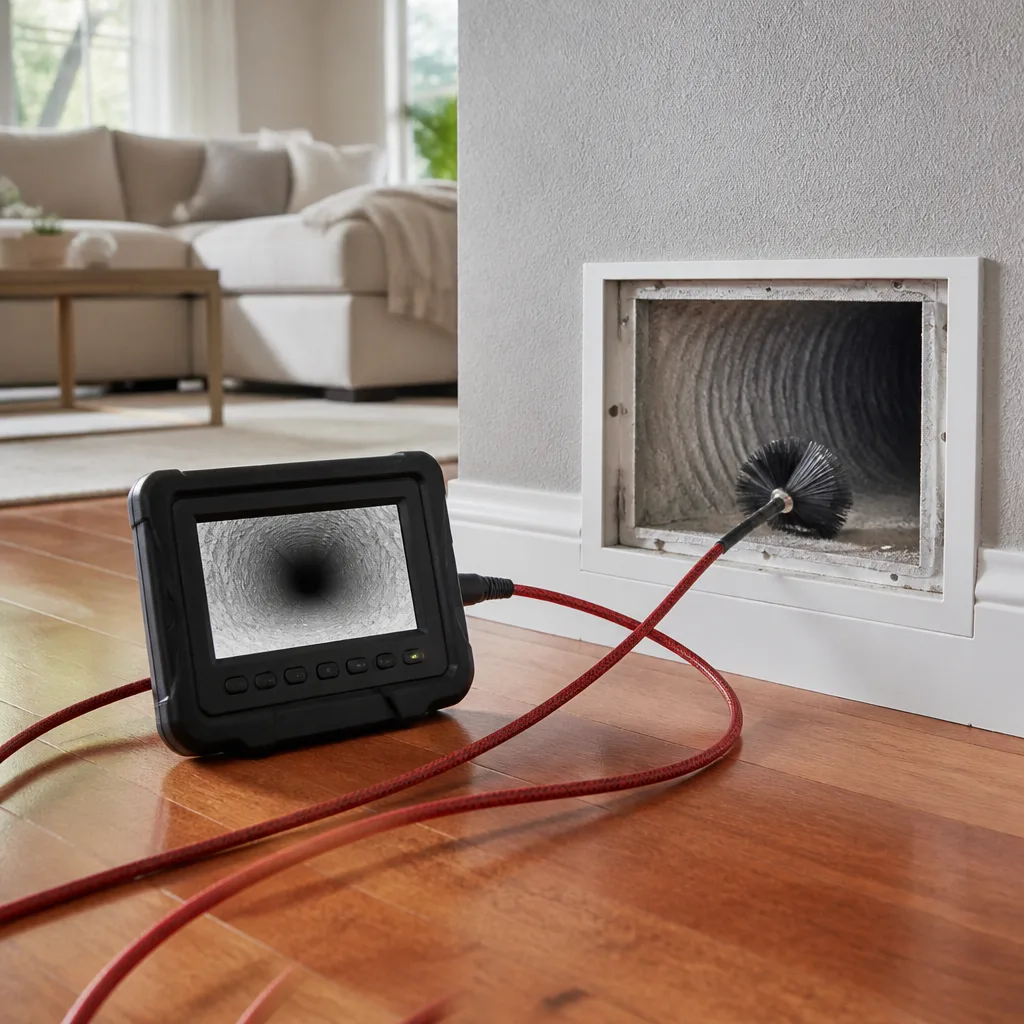 Camera inspection
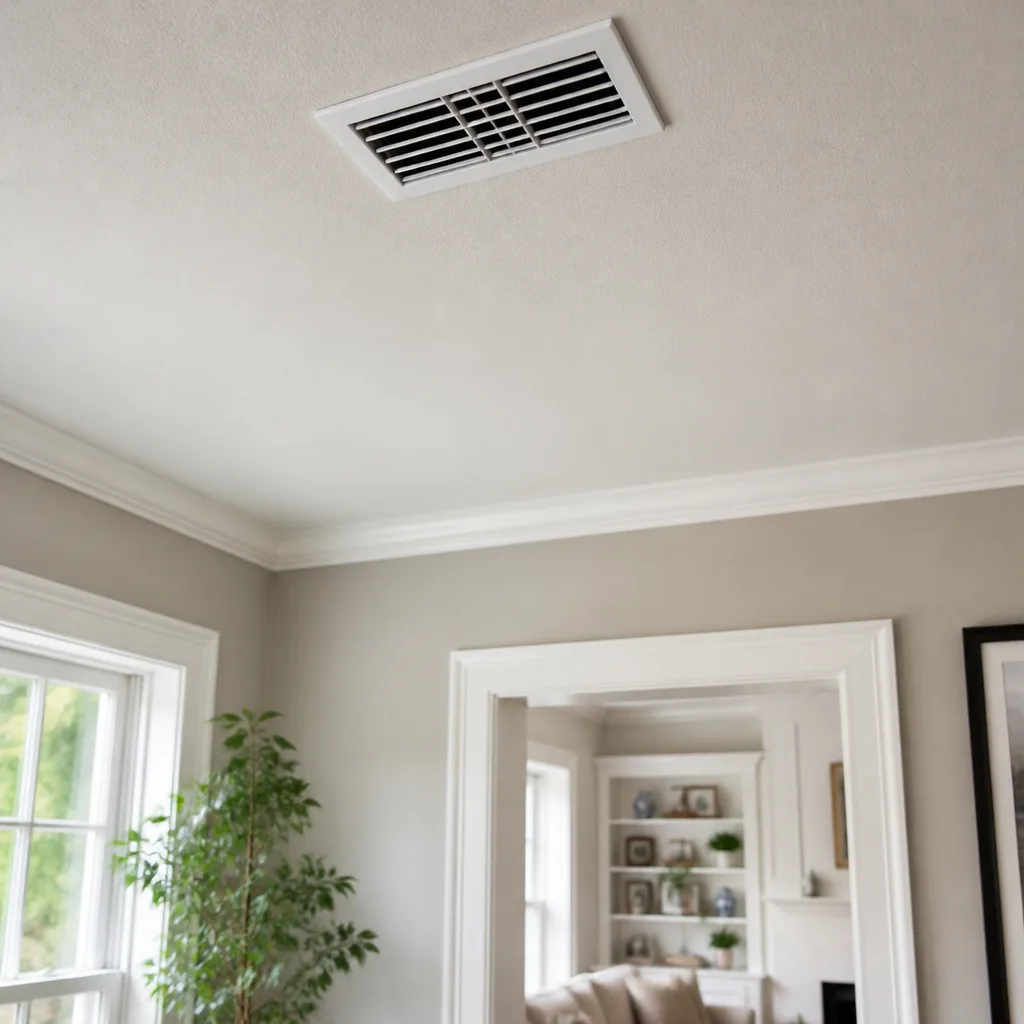 Sanitizing & deodorizing
Whole-system duct and dryer vent check with before-and-after photos - you see exactly what came out of your vents
That "$99 whole-house special" is a bait ad - the real number appears once they are in your hallway, or the "clean" is a shop-vac at the register. We photograph the inside of your ducts before and after instead.
Air Duct Cleaning Emergency Preparedness Guide for Westminster Homes
During the Marshall Fire, thousands of Front Range homes that never burned still had a problem. Smoke and ash traveled through the outdoor air and straight into duct systems, and post-event duct cleaning became a remediation issue rather than a maintenance one. That’s the part most Westminster emergency plans skip. We plan for evacuation, for shutoff valves, for go-bags. Few of us plan for the infrastructure that decides whether staying inside actually protects us from smoke, ash, and outdoor contaminants. This guide covers what to do before, during, and after a regional smoke or storm event: settings, checklists, and the point where a duct system needs more than routine cleaning.
Quick Answer
Air duct cleaning fits into Westminster emergency preparedness as a pre-season measure: a clean, sealed duct system is what makes recirculation settings work when wildfire smoke or winter storm conditions keep you indoors. Before smoke season, get the system inspected, cleaned, and checked for leaks. After a regional smoke event or water intrusion near the air handler, have it assessed for remediation-level cleaning rather than routine maintenance. The difference is containment, HEPA-rated extraction, and contact cleaning of the duct walls, not an air-only blast.
Styles & brands we work with
- Whole-home duct cleaning
- Dryer vent cleaning
- Camera inspection
- Sanitizing & deodorizing
Table of Contents
- Pre-Event Protocol: HVAC Settings and Duct Condition Before Smoke Season
- Post-Wildfire Checklist: Remediation vs. Routine Cleaning
- Winter Storm Preparedness: Long Heating Runs and Blower Wheel Accumulation
- When to Call Before the Event: Why a Clean Baseline Matters
- Post-Flood Protocol: Return Plenums, Air Handlers, and Mold Timelines
- What Professional-Grade Equipment Actually Does Differently
- Building a Duct System Emergency Plan for Your Westminster Home
Pre-Event Protocol: HVAC Settings and Duct Condition Before Smoke Season
Wildfire smoke on the Front Range isn’t a rare event anymore. It’s a seasonal condition. Westminster sits between the mountains and the plains, and smoke settles into the metro area on still days, sometimes for a week at a time. The difference between a home that stays livable and one that smells like a campfire comes down to two things: how you run the HVAC, and what condition the ducts are in when the smoke arrives.
The first setting to understand is recirculation versus fresh air. Most residential systems in Westminster don’t have an economizer or a fresh-air intake at all; they recirculate indoor air by design. That’s an advantage in a smoke event, because the system isn’t pulling outdoor air in. But if your ducts are leaking in the attic, crawlspace, or garage ceiling, that advantage disappears. A return duct with a loose joint at 15% leakage pulls attic air into the living space every time the blower runs. In a smoke event, attic air is smoke.
Here’s the pre-event checklist we walk homeowners through before smoke season:
- Seal the envelope first. Check windows, doors, and the fresh-air intake if you have one. If your system has a manual damper for outdoor air, close it before the event, not during.
- Run the fan on low continuously during smoke events. A running fan with a clean filter is better than a fan cycling on and off, because it keeps positive pressure in the living space and pushes smoke out through small leaks rather than letting it drift in.
- Upgrade the filter, but don’t overshoot. A MERV 13 filter is a reasonable target for most residential systems during a smoke event. Higher MERV means more restriction, and a system sized for MERV 8 may not move enough air. If your system can’t handle a higher-MERV filter, a portable HEPA unit in the main living area is a better answer than choking the blower.
- Inspect the ducts before the season, not after. Look for disconnected joints, crushed flex runs, and dust accumulation at the return grilles. If you can see dust trails at the registers when the system runs, the ducts are shedding.
- Get a baseline cleaning. A duct system that starts the season clean has nothing to redistribute when the system runs continuously for a week.
We use Rotobrush contact-cleaning equipment on every job because air-only blasting moves dust around without removing it. Contact cleaning physically agitates the duct walls and extracts the debris. That matters more before an event than after, because a clean duct has less to stir up when the system runs hard.
Post-Wildfire Checklist: Remediation vs. Routine Cleaning
After a regional smoke event, the question isn’t whether your ducts need cleaning. It’s whether they need remediation-level cleaning or a standard maintenance visit. Those are different jobs, and knowing which one you’re facing saves you from paying for work that doesn’t solve the problem.
The distinction comes down to what’s in the system. Routine maintenance cleaning removes the normal accumulation of household dust, pet hair, and construction debris. Remediation-level cleaning addresses contamination from an outside event: fine ash that has settled into the system, smoke residue on duct walls, and in the worst cases, charred debris pulled in through a fresh-air intake or a compromised return.
Here’s how we assess a duct system after a smoke event in Westminster:
- Visible ash at the registers. If you see gray or black residue on the supply grilles or inside the return, the system pulled ash in. That’s beyond routine.
- Persistent smoke odor after the outdoor air clears. Smoke odor that lingers after the event has passed usually means residue is sitting on duct walls and in the air handler cabinet. An air-only cleaning won’t remove it. Contact cleaning will.
- Filter condition. A filter that loaded up with ash within a few days of the event is a sign the system was pulling outdoor contamination. Change it, then assess the ducts.
- Air handler and blower wheel. Open the air handler cabinet and look at the blower wheel. If it’s coated with a gray film, the whole system needs attention.
- Return plenum condition. Returns are the low-pressure side of the system, which means they collect the most. A return plenum with visible ash accumulation needs full remediation, not a spot clean.
For remediation-level work, containment matters as much as cleaning. We use Abatement Technologies negative-air and containment equipment so that what’s disturbed during cleaning gets captured, not pushed into the living space. The same standard is used in commercial remediation, and for good reason: without containment, cleaning a contaminated system can make indoor air worse before it gets better. We pair that with Nikro HEPA-rated vacuums, so the material we extract stays in the machine rather than recirculating through the house.
One rule of thumb for Westminster homeowners: if your home was within the smoke plume and you smell smoke indoors when the HVAC runs, get an assessment before you run the system hard again.
Winter Storm Preparedness: Long Heating Runs and Blower Wheel Accumulation
Winter storms along the Front Range test HVAC systems in a way that mild weather never does. When temperatures drop and stay down for days, the furnace runs almost continuously. That’s when a duct system that was borderline in October becomes a problem in January.
The specific mechanism to watch is blower wheel accumulation. The blower wheel is the fan inside the air handler. It spins fast, moves a lot of air, and collects whatever is in the airstream. During a long heating event, the blower runs for hours at a time, and every hour it’s pulling dust, pet hair, and fine debris across the wheel. A wheel with a heavy coating of dust doesn’t balance properly. It loses efficiency, it gets louder, and in some cases it starts to vibrate. We’ve seen wheels that were clean in fall develop a visible coating by midwinter after an extended cold snap.
Along with the blower wheel, watch these during extended heating events:
- Filter loading. A furnace running continuously loads a filter faster. Check it more often during a cold snap, and change it when it’s visibly gray. A clogged filter strains the blower and reduces airflow to the rooms that need it most.
- Static and dust at the registers. Dry winter air increases static, and a system that’s shedding dust shows it at the supply registers. That’s a sign the ducts need cleaning, not just the filter.
- Uneven heating. If one side of the house stays cold while the other is warm, the problem may be a crushed or disconnected duct run rather than the furnace itself.
- Return air restrictions. Furniture, rugs, or storage blocking return grilles is a common issue in Westminster homes with finished basements. A restricted return starves the system and forces the blower to work harder.
If your system has a humidifier tied into the ductwork, a Honeywell or Aprilaire unit, it’s worth checking the pad and the water panel before the heating season. A clogged humidifier pad doesn’t just stop humidifying; it can become a source of mineral dust that ends up in the ducts. We work on and around both brands, so the same visit that cleans the ducts can assess the humidifier.
The prevention step is straightforward: get the system cleaned and inspected before the heating season, and check the filter more often during extended cold. If the blower wheel is already coated, cleaning the ducts without addressing the wheel leaves half the job undone.
When to Call Before the Event: Why a Clean Baseline Matters
The most useful thing a Westminster homeowner can do for emergency preparedness is also the least dramatic: get the duct system into a clean baseline condition before the event. This is the part of preparedness that doesn’t show up in most plans, but it’s the part that changes outcomes.
Here’s the reasoning. In a smoke event or a winter storm, your HVAC system is the only thing moving air through the house. If the system is clean, the air it moves is clean. If the system is loaded with dust, ash residue from a prior event, or construction debris from a recent remodel, the system redistributes that material every time it runs. The air quality in your home during a shelter-in-place event is determined by what was in the ducts before the event started.
There’s a second reason to call before the event rather than after: scheduling. After a regional smoke event, every duct cleaning company in the metro area gets busy. Homeowners who call in advance get their system cleaned on a normal schedule. Homeowners who wait are competing for slots during the aftermath, when demand spikes and the work is more involved. A pre-season visit is a routine job. A post-event remediation is not.
What a baseline visit involves:
- Inspection. We check the supply and return runs, the air handler, the blower wheel, and the connections at the registers.
- Contact cleaning. Rotobrush equipment agitates and extracts debris from the duct walls. This is the core of the job, and it’s what separates a real cleaning from an air-only pass.
- HEPA extraction. Nikro HEPA-rated vacuums capture what’s loosened, so it leaves the system rather than settling back into the house.
- Repair assessment. Leaking joints, disconnected runs, and crushed flex are common in older Westminster homes. We offer air duct repair alongside cleaning, so a found problem gets fixed rather than referred out.
- Filtration review. If the system is undersized for a higher-MERV filter or the existing filter housing is limited, we can talk through options, including Honeywell and Aprilaire filtration equipment.
One flat price per system, agreed before work starts, with before-and-after photos of your own ducts. That’s the standard we hold to, because the biggest complaint we hear about this trade is the bait-and-switch: a low coupon price that becomes a much larger invoice once the technician is on site. A real quote covers the whole system, not a per-vent teaser.
If you’re building out your household emergency plan, Westminster is a good place to start the local research. Knowing your neighborhood’s specific risk profile helps you decide what to prioritize.
Post-Flood Protocol: Return Plenums, Air Handlers, and Mold Timelines
Water intrusion is the emergency that most directly threatens duct systems, and it’s the one homeowners most often underestimate. A flooded basement, a burst pipe, or a roof leak that tracks down into the mechanical closet can put water in contact with the air handler, the return plenum, or the ductwork itself. What happens next is a mold timeline, and it moves faster than most people expect.
The critical variable is what got wet and how long it stayed wet. Duct board and flex duct that take on water are difficult to dry in place. The inner liner of flex duct traps moisture against the insulation, and once that happens, the duct is compromised. Sheet metal ductwork can sometimes be dried and cleaned, but it depends on the extent of the intrusion and how quickly it’s addressed.
Here’s the post-flood sequence we recommend for Westminster homes:
- Stop the source and document. Shut off the water, photograph the damage, and note the time. The timeline matters for any insurance conversation.
- Shut off the HVAC system. Don’t run the system while there’s standing water or visible moisture near the air handler. Running the blower with wet ductwork spreads moisture and any biological growth through the house.
- Call for water extraction first. Duct cleaning comes after the structure is dry, not before. Cleaning a wet system doesn’t solve the moisture problem.
- Assess the air handler and return plenum. The air handler cabinet and the return plenum are the most likely points of water contact. If the insulation inside the cabinet is wet, it needs to be removed and replaced, not dried in place.
- Assess the ductwork. Flex duct that’s been wet needs replacement. Sheet metal duct can be evaluated for cleaning and drying, but only after the moisture source is resolved.
- Clean and contain. Once the structure is dry, remediation-level cleaning with containment and HEPA extraction removes any material that settled during the event.
We use Abatement Technologies containment equipment on post-flood work because disturbed material needs to be captured at the source. We can work with your insurer on the documentation side, and we handle the duct repair as part of the same scope, so you’re not coordinating between a cleaning company and a separate repair contractor.
What Professional-Grade Equipment Actually Does Differently
Most homeowners can’t tell a thorough duct cleaning from a superficial one by watching. The difference is in the equipment, and it’s worth understanding what each piece does so you can ask better questions when you’re getting quotes.
Rotobrush contact cleaning. The Rotobrush system uses a rotating brush head on a flexible hose to physically contact the duct walls, agitate the debris, and extract it at the same time. Air-only approaches blow compressed air through the system and rely on the debris finding its way out. Contact cleaning removes what’s adhered to the walls, which is where most of the accumulation actually sits.
Nikro HEPA extraction. The vacuum is the other half of the equation. A HEPA-rated vacuum captures fine particulates rather than exhausting them back into the room. This is the equipment class used in professional remediation, and it’s the reason a properly equipped cleaning doesn’t leave a fine dust film on every surface in the house afterward.
Abatement Technologies containment. Negative-air pressure control keeps the work area under slight negative pressure relative to the rest of the house, so any dust that gets airborne during cleaning moves toward the containment rather than into the living space. This is standard practice in commercial remediation, and it’s the difference between cleaning a contaminated system and spreading it.
Filtration and IAQ equipment. If the assessment turns up a filtration gap, we work on and around Honeywell and Aprilaire equipment, including filter housings and humidifiers. The same technician who cleans the ducts can evaluate the filtration, which saves a separate visit.
The reason we lead with equipment rather than promises is simple: anyone can say they do a thorough job. The equipment is verifiable. Ask what system a company uses, whether they run HEPA extraction, and whether they use containment on remediation work. If the answer is vague, that tells you something.
Building a Duct System Emergency Plan for Your Westminster Home
A duct system emergency plan doesn’t need to be complicated. It needs to be written down and checked once a year, ideally before smoke season and again before the heating season. Here’s a structure that covers the main scenarios.
Before the season:
- Schedule a duct inspection and cleaning so the system starts the season in a clean baseline.
- Note your filter size and keep a spare on hand.
- Identify whether your system has any outdoor-air intake or damper, and know how to close it.
- Check the air handler closet for water intrusion points, especially if it’s in a basement.
- Write down the settings you’ll use during a smoke event, including fan mode and filter MERV rating.
During an event:
- Close windows and any outdoor-air damper.
- Run the fan continuously on low with a clean filter.
- Don’t run the system if there’s water near the air handler.
- Watch for smoke odor indoors after the outdoor air clears; that’s a sign residue is in the system.
After an event:
- Change the filter.
- Assess the registers and the blower wheel for visible residue.
- If there’s lingering odor or visible ash, get a remediation assessment rather than a routine cleaning.
- For water intrusion, call for extraction first and duct assessment second.
A duct system that’s clean and sealed before an event gives you the most options during and after it. That’s the whole point of pre-season preparation: it’s the difference between a system that protects you and one that adds to the problem. For the broader context on what a professional cleaning involves, our air duct cleaning page walks through the process step by step.
If your emergency plan includes fire safety, don’t overlook the dryer vent. A clogged dryer vent is a fire risk in ordinary conditions, and it’s a bigger one when the household is stressed and laundry piles up during a storm. Our dryer vent cleaning service addresses that as a safety item, not an upsell.
Common Mistakes to Avoid
- Treating duct cleaning as a post-event-only task. The work is most valuable before the event, when it establishes a clean baseline. Waiting until after a smoke event means you’re cleaning a contaminated system under pressure, with higher demand and more involved remediation work.
- Assuming a filter change is enough. A filter catches what reaches it. It doesn’t remove what’s already adhered to the duct walls, and it doesn’t address a blower wheel that’s coated with dust. Westminster homes with older flex duct often have accumulation the filter never sees.
- Running the HVAC with wet ductwork. After any water intrusion near the air handler, shut the system off. Running the blower with moisture in the ducts spreads it through the house and accelerates any biological growth.
- Hiring on price alone after a regional event. Demand spikes after a smoke event or a storm, and that’s when low-ball quotes appear. A quote that doesn’t cover the whole system, or that prices per vent, is a warning sign, not a deal.
- Skipping the blower wheel. Cleaning the ducts without addressing a coated blower wheel leaves the main source of redistribution in place. Ask specifically whether the wheel is inspected and cleaned.
- Ignoring the outdoor-air intake. If your home has one, know where the damper is before smoke season. A fresh-air intake left open during a smoke event pulls outdoor contamination directly into the return.
- Not documenting before-and-after. Photos of your own ducts before and after cleaning are the simplest verification that the work was done. Ask for them, and keep them with your home records.
See the difference
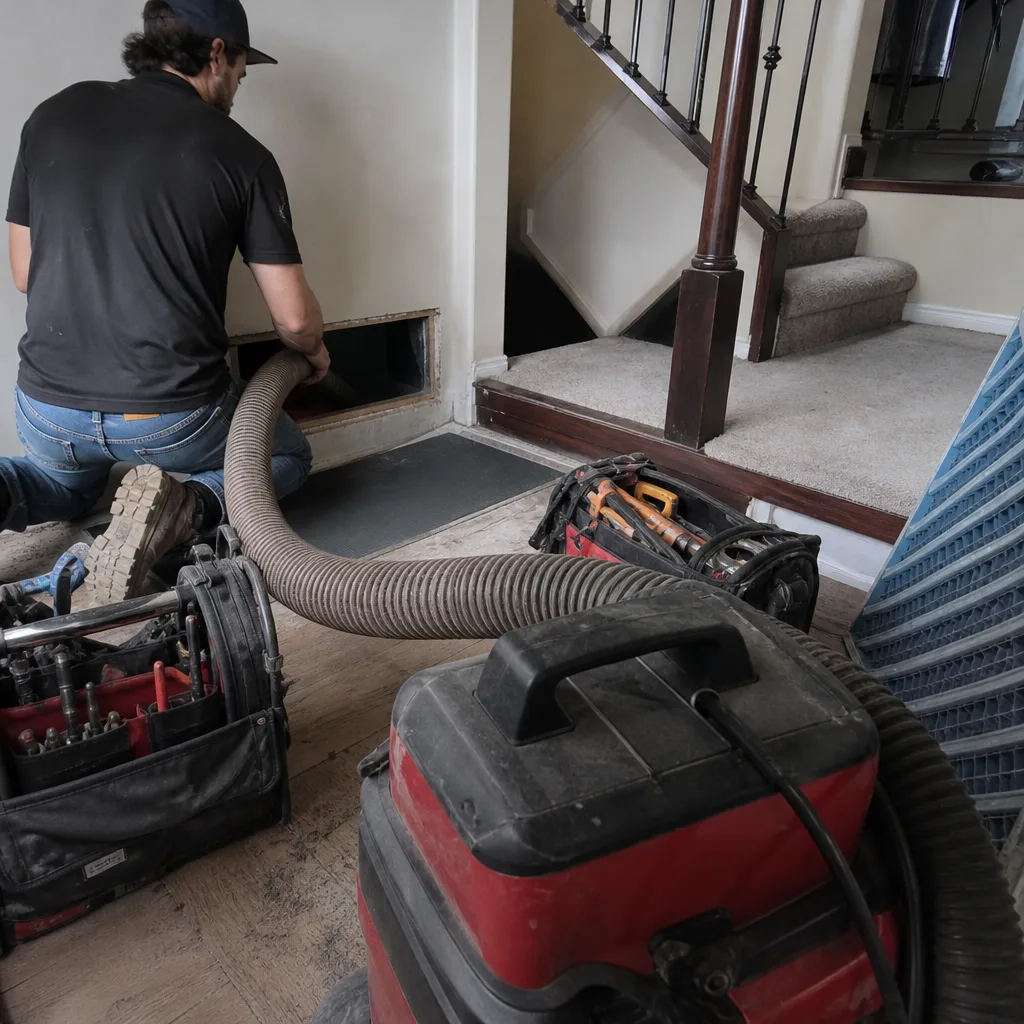 Before
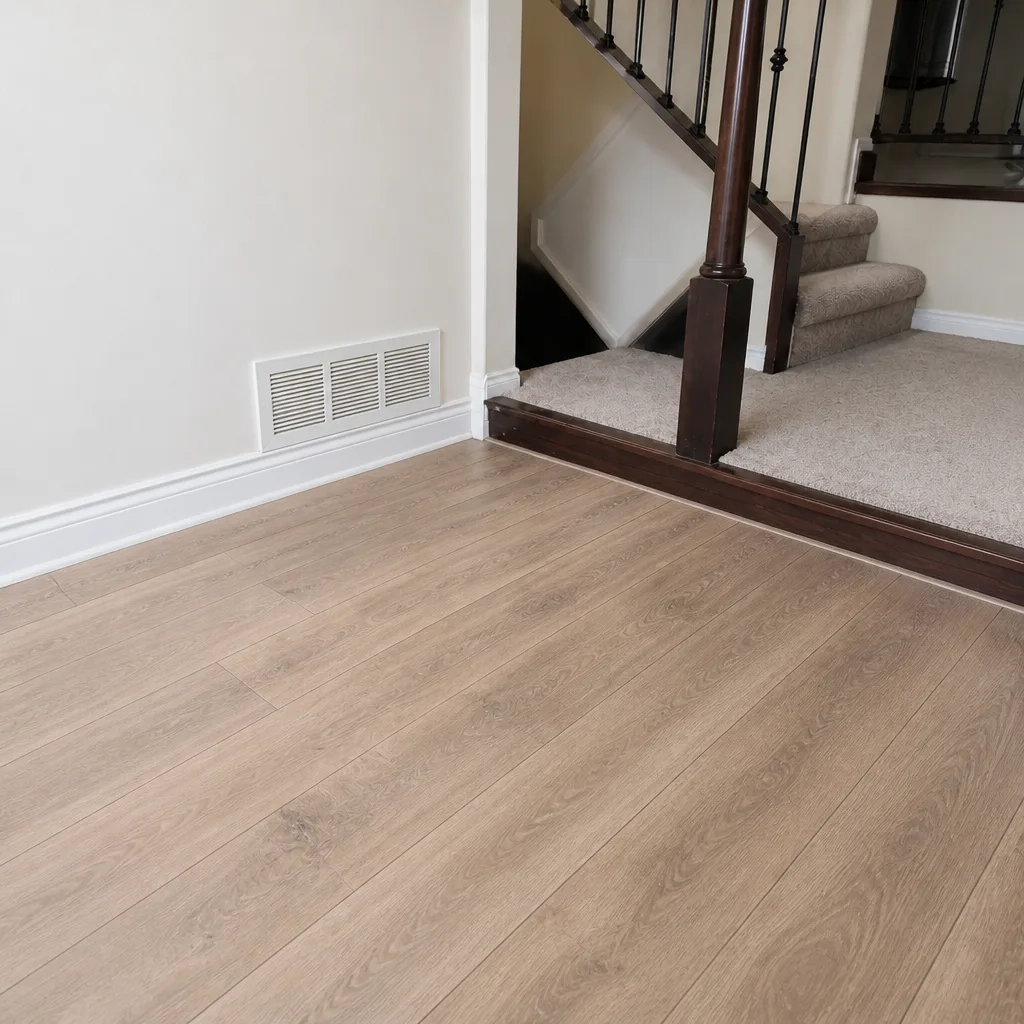 After
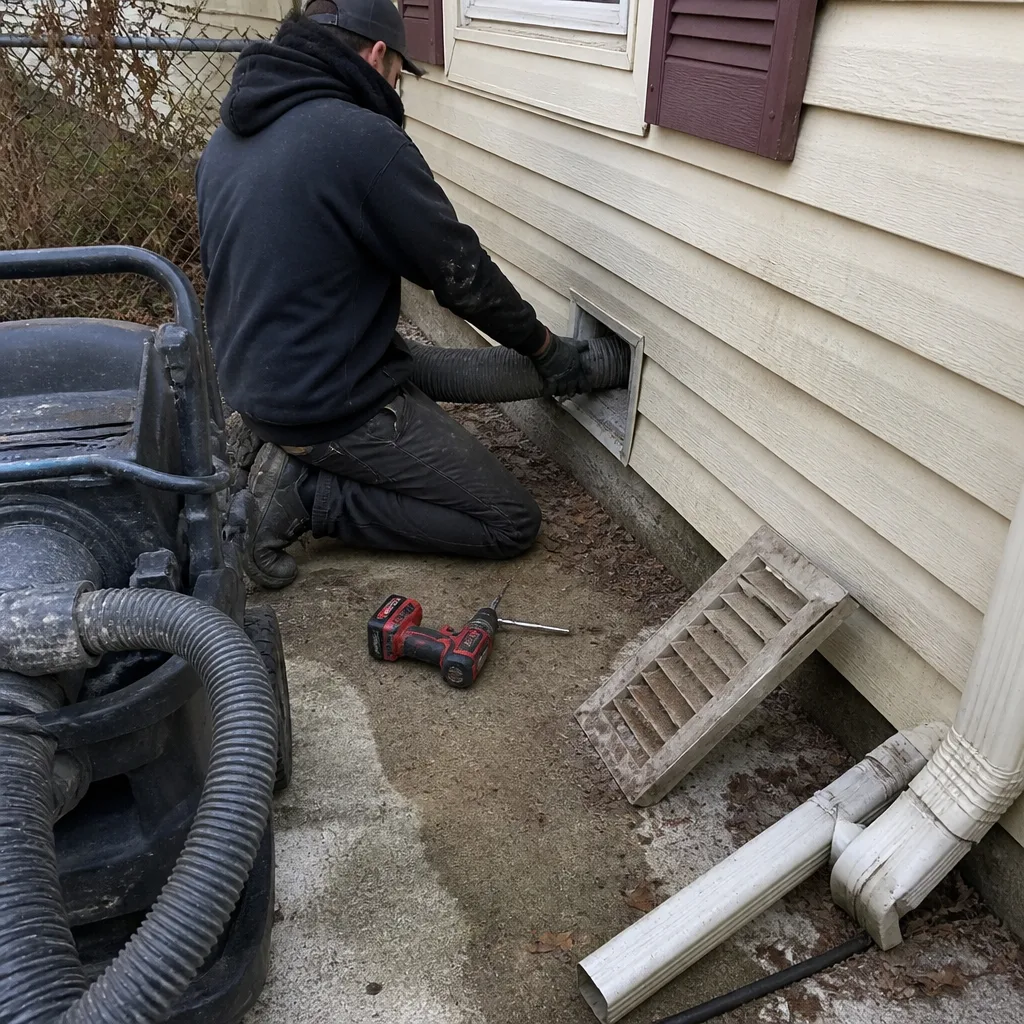 Before
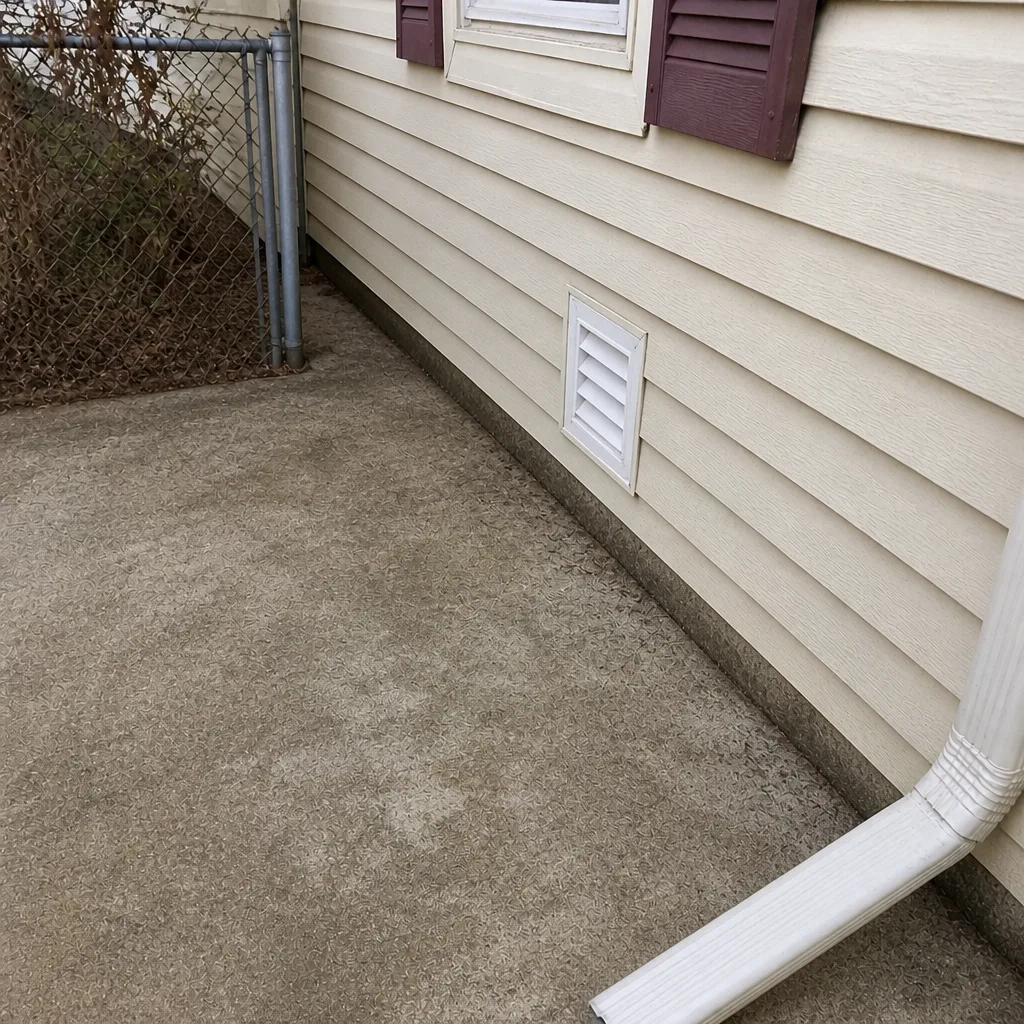 After
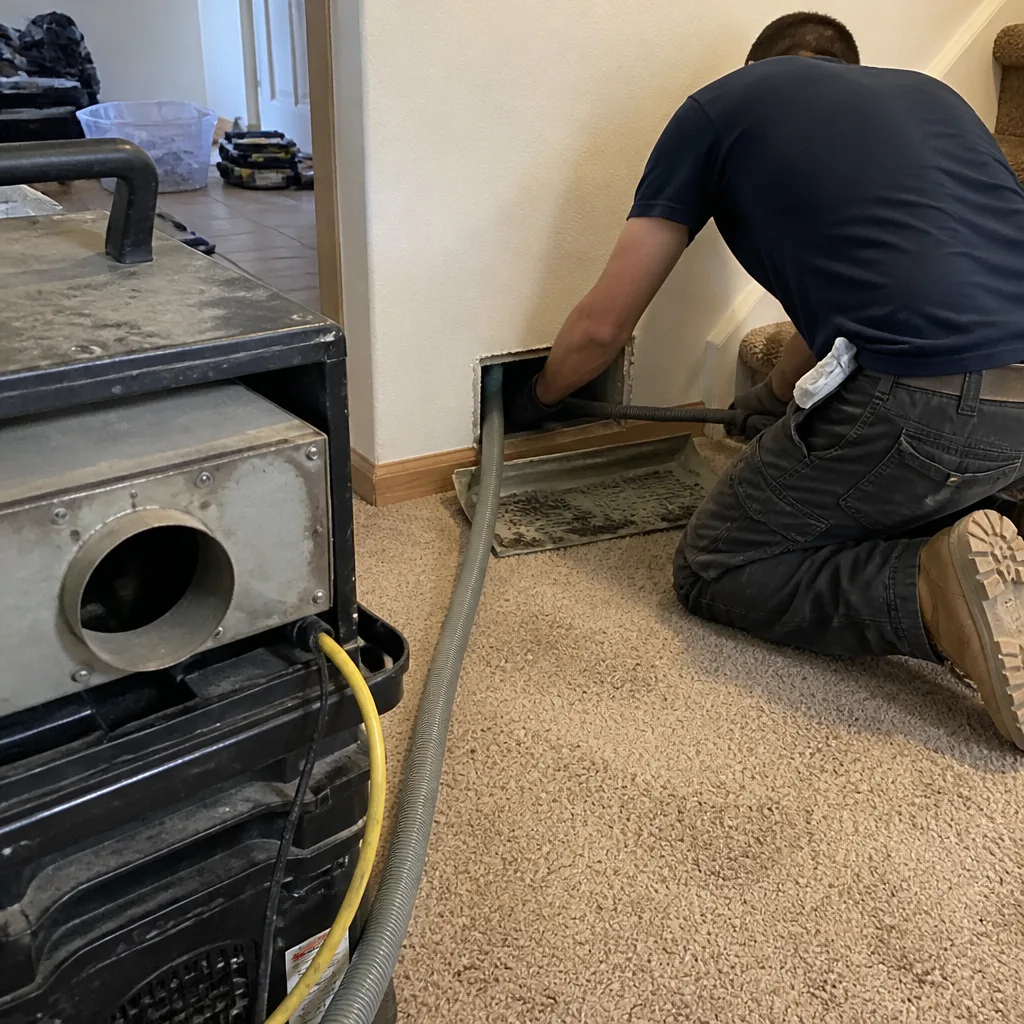 Before
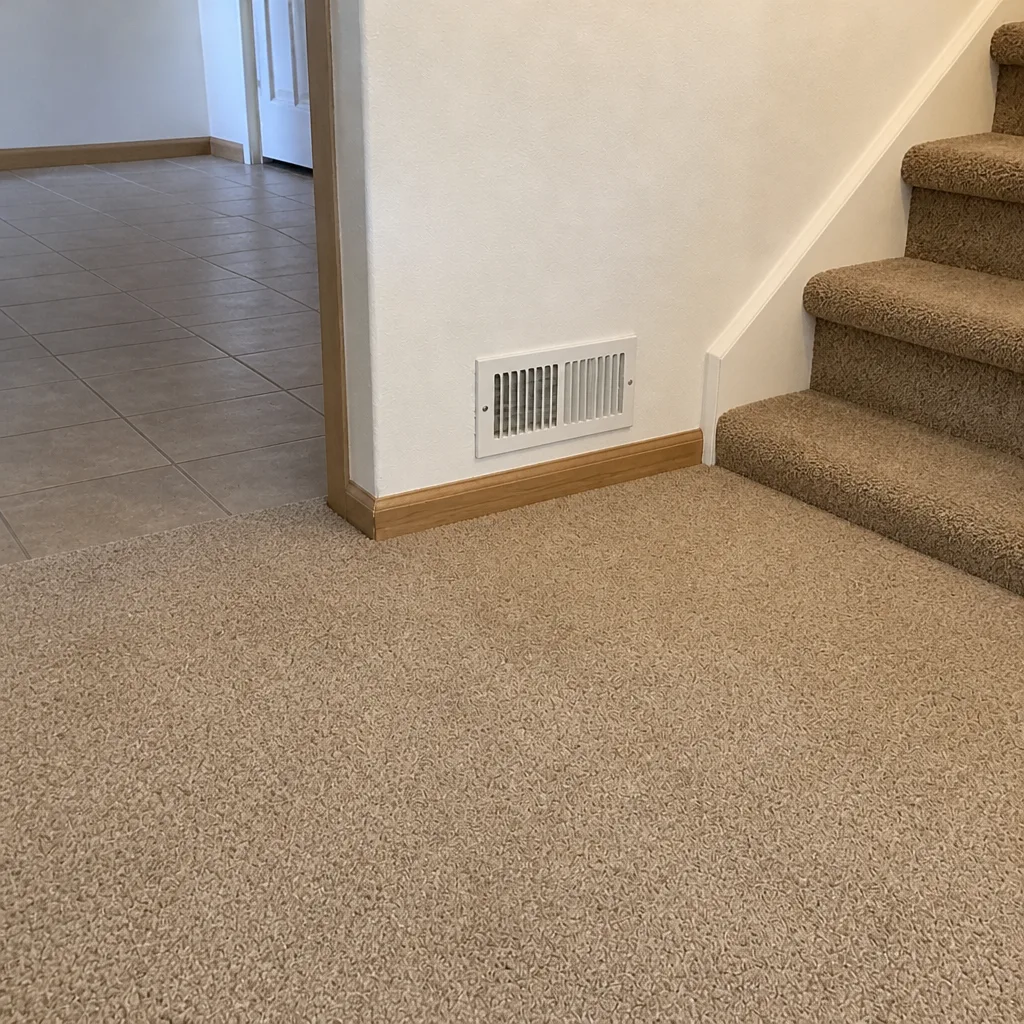 After
When to Call a Professional
Some situations call for a professional assessment rather than a homeowner check. Call us if you smell smoke indoors after the outdoor air has cleared, if you see visible ash or dark residue at the registers, if the blower wheel has a visible coating, or if there’s been any water intrusion near the air handler or return plenum. Call before smoke season if your system hasn’t been cleaned in years, if you’ve recently finished a remodel, or if you’re moving into a Westminster home with unknown duct history. Post-flood work should always start with a professional assessment, because the mold timeline moves faster than most homeowners expect. Ridgeway Air Duct Cleaning offers free estimates in Westminster. Call (844) 643-7197. We answer 24/7. Fast dispatch from 7am to 7pm, Sunday through Friday.
Frequently Asked Questions
It’s a pre-season measure: a clean, sealed duct system is what makes recirculation and continuous-fan strategies work during a smoke event or winter storm. If the ducts are loaded with dust or leaking at the joints, running the system during an event redistributes contamination instead of protecting the living space. Getting the system into a clean baseline before the season is the single most useful HVAC step in a household emergency plan.
Visible ash at the registers, persistent smoke odor after the outdoor air clears, and a gray film on the blower wheel are the signs that point to remediation. Routine cleaning handles normal household dust. Remediation handles contamination from an outside event, and it requires containment and HEPA extraction rather than an air-only pass. If you’re unsure, an assessment is the right first step. Call (844) 643-7197 for an exact quote; estimates are free.
Shut the system off and call for water extraction before any duct work. Cleaning a wet system doesn’t solve the moisture problem, and running the blower with wet ductwork spreads moisture through the house. Once the structure is dry, the air handler and return plenum need to be assessed, and any wet flex duct should be replaced rather than dried in place. We can work with your insurer on the documentation and handle the duct repair as part of the same scope. Call (844) 643-7197 to schedule an assessment.
Pricing depends on the size and configuration of the system, the number of runs, and whether it’s a routine cleaning or remediation-level work. We quote one flat price per system, agreed before work starts, with no per-vent pricing and no teaser coupon figure. That’s deliberate, because the bait-and-switch model that starts with a low coupon and ends with a much larger invoice is the most common complaint in this trade. Call (844) 643-7197 for an exact quote; estimates are free.
A very low quote usually means an air-only pass with no containment, no HEPA extraction, and no inspection of the blower wheel. It can also mean a price that grows once the technician is on site. The work that actually removes contamination, contact cleaning with proper extraction and containment, takes equipment and time. A quote that doesn’t account for that is either incomplete or it isn’t covering the whole system. Call (844) 643-7197 to compare a whole-system estimate.
For most homes, every few years is a reasonable rhythm, but the triggers matter more than the calendar. A regional smoke event, a remodel, a move into a home with unknown duct history, or any water intrusion near the air handler are all reasons to move the schedule up. If you run the system hard through a winter storm and the blower wheel picks up a coating, that’s a trigger too. If you’re not sure where your system stands, call (844) 643-7197. We answer 24/7. Fast dispatch from 7am to 7pm, Sunday through Friday.
The Bottom Line
Emergency preparedness for a Westminster home starts with the systems that run when everything else stops. A clean, sealed duct system is what makes recirculation work during a smoke event, what keeps a long winter heating run from coating the blower wheel, and what limits the damage when water finds the air handler. The work is pre-season, not post-event. Get the system inspected and cleaned before the season, know your settings, and understand the difference between routine cleaning and remediation. If something doesn’t look right after an event, get an assessment before running the system hard again. Ridgeway Air Duct Cleaning handles cleaning, repair, and IAQ work as one scope, with Rotobrush contact cleaning, Nikro HEPA extraction, and Abatement Technologies containment on every job that needs it. Call (844) 643-7197 for a free estimate. We answer 24/7. Fast dispatch from 7am to 7pm, Sunday through Friday. Learn more about Ridgeway Air Duct Cleaning and how we approach this work.
Written by the team at Ridgeway Air Duct Cleaning.