
Last updated November 16, 2026
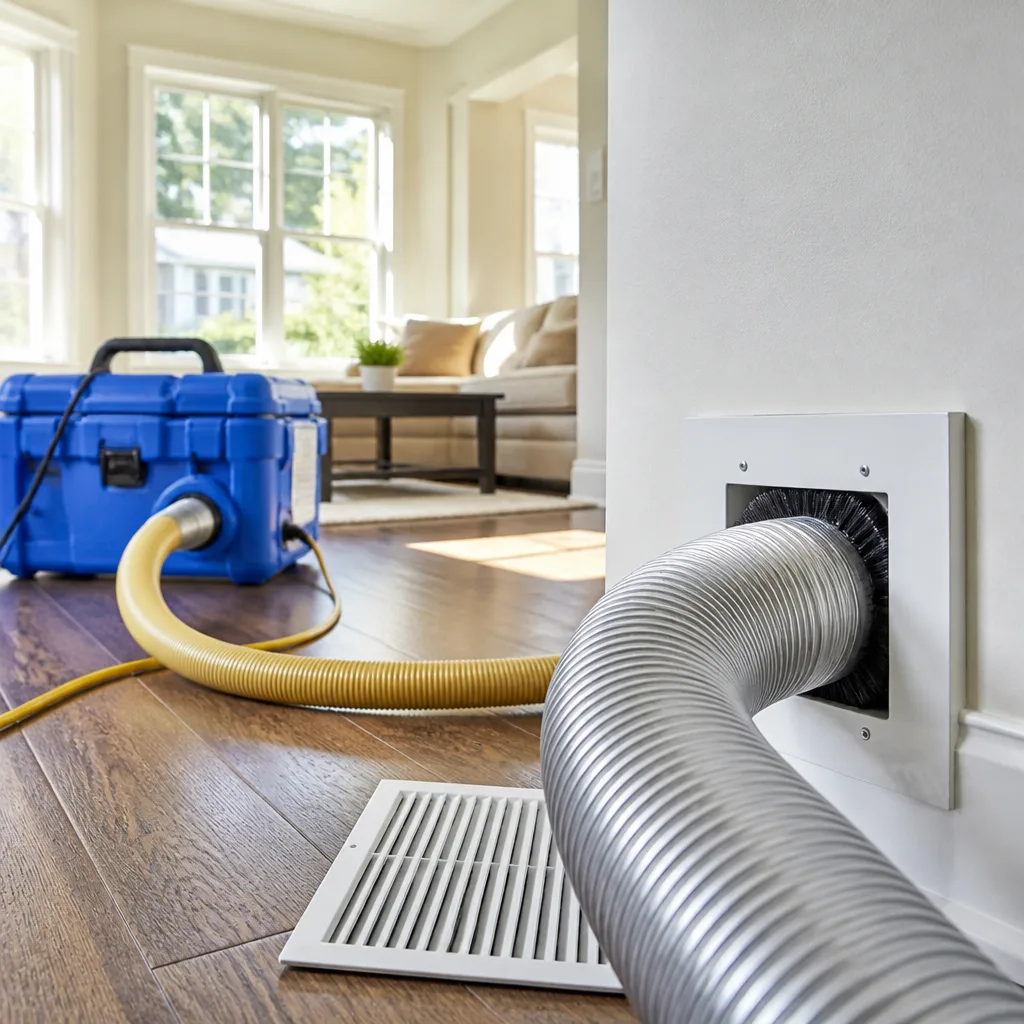 Whole-home duct cleaning
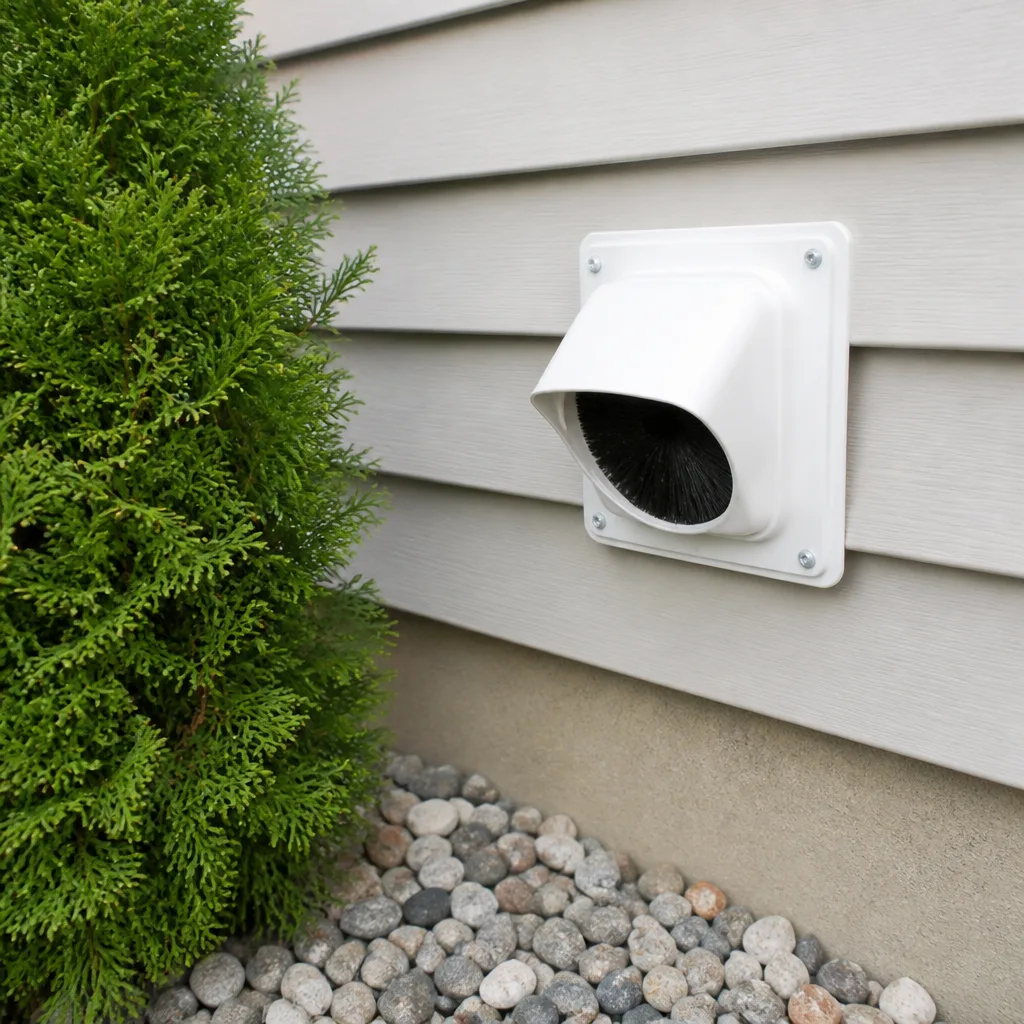 Dryer vent cleaning
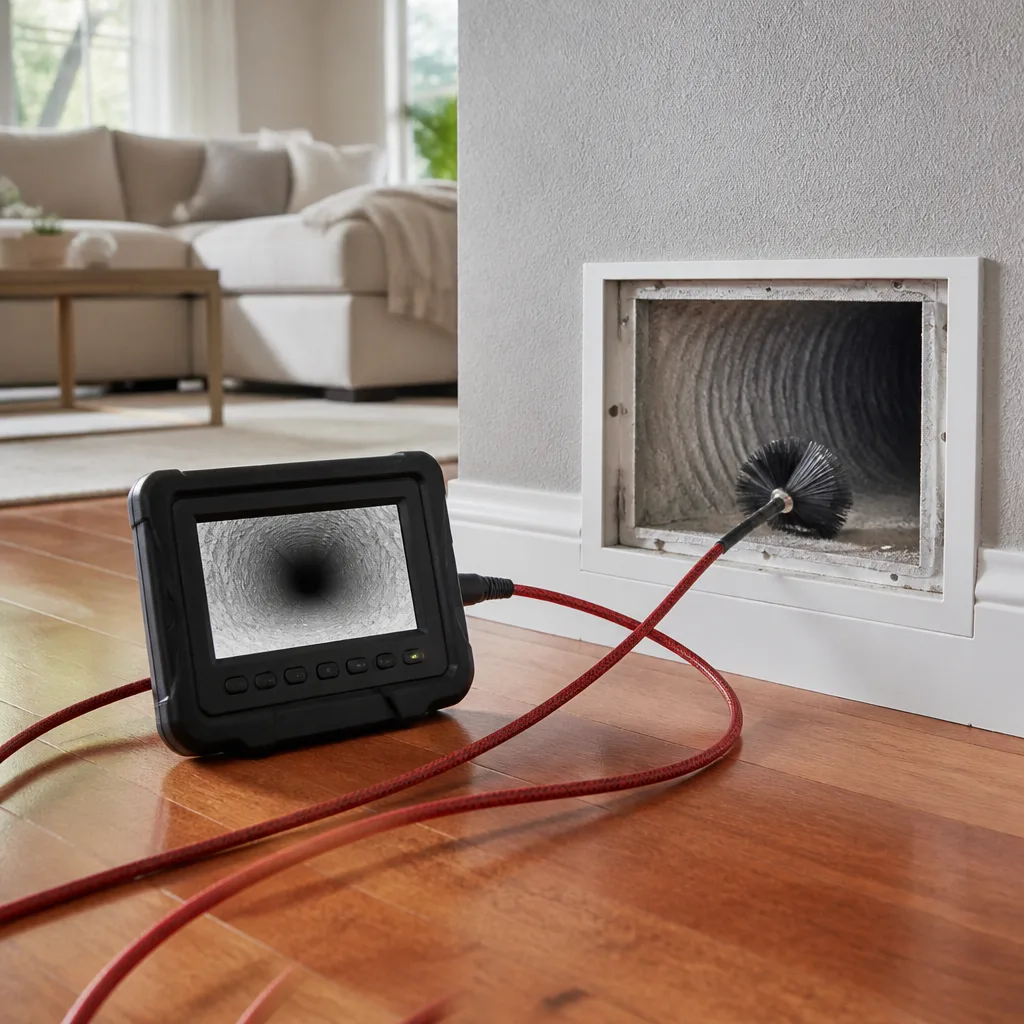 Camera inspection
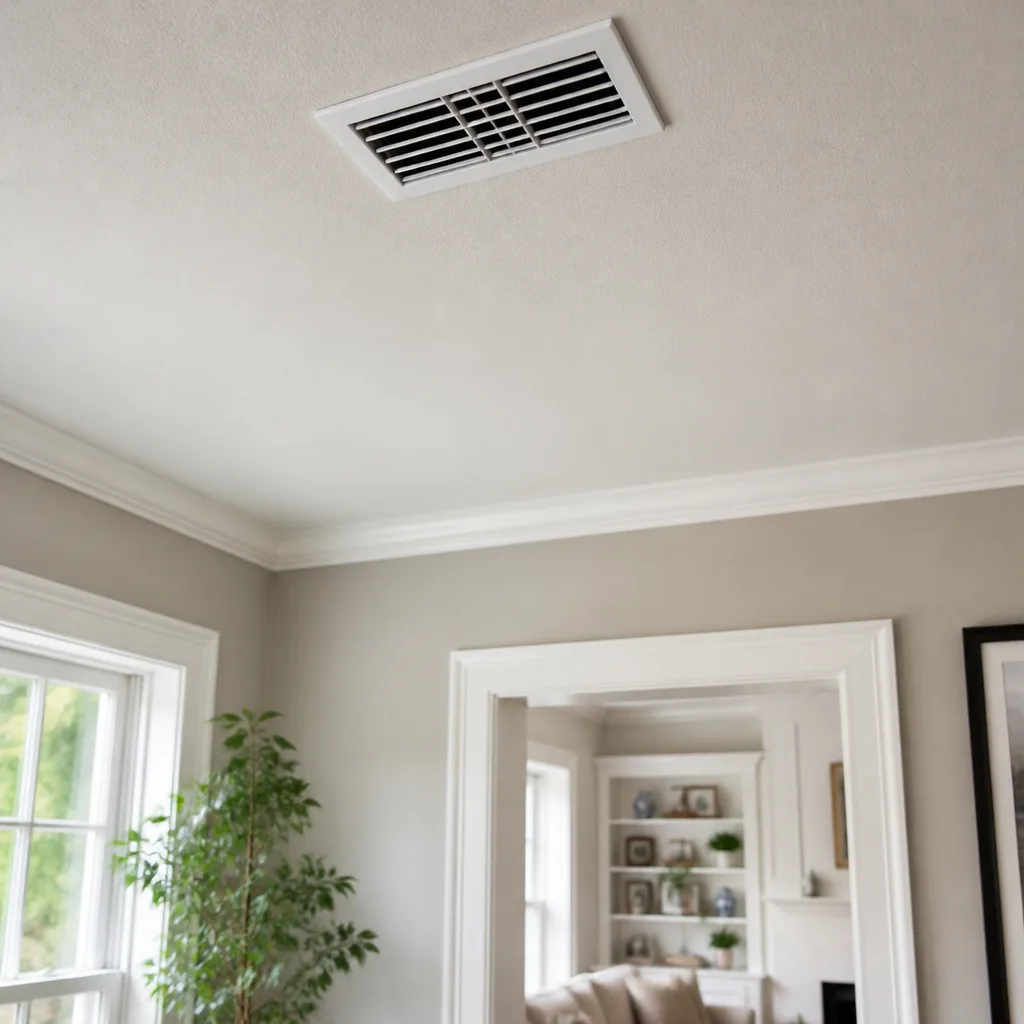 Sanitizing & deodorizing
Whole-system duct and dryer vent check with before-and-after photos - you see exactly what came out of your vents
That "$99 whole-house special" is a bait ad - the real number appears once they are in your hallway, or the "clean" is a shop-vac at the register. We photograph the inside of your ducts before and after instead.
Choosing the Right Air Duct Cleaning Brand: A Buyer’s Guide for Westminster
Most homeowners can’t tell a reputable duct cleaning contractor from a bad one because they’re looking at the wrong things. They compare star ratings and coupon prices, then pick whoever seems friendliest on the phone. But neither reviews nor a low teaser price tells you what is actually going inside your duct system. The single best predictor of how well the job gets done is the equipment the contractor brings through the door. This guide explains what professional-grade duct cleaning equipment actually does, why it separates serious contractors from upsell operations, and how to verify it before you book anyone in Westminster.
Quick Answer
The best air duct cleaning company in Westminster is the one whose equipment you can verify before booking: contact-cleaning tools like Rotobrush that physically agitate and extract debris from duct walls, Nikro HEPA-rated vacuums that keep captured particles out of your living space, and containment equipment built for commercial remediation work. Ask about brand and model during the quote call. A contractor who can answer those questions clearly, and who cleans and repairs ducts as a primary trade, is a far safer bet than one selling a cheap coupon service.
Styles & brands we work with
- Whole-home duct cleaning
- Dryer vent cleaning
- Camera inspection
- Sanitizing & deodorizing
Table of Contents
- Why equipment, not reviews, predicts a good duct cleaning job
- What contact cleaning actually does that air-only blasting doesn’t
- HEPA containment: where does the debris go during cleaning?
- Why commercial remediation equipment matters in a home
- How to verify equipment during a quote call
- A step-by-step pre-booking checklist
- What Westminster homeowners should know about local homes and air quality
- Filtration systems and why they belong in the same conversation
Why equipment, not reviews, predicts a good duct cleaning job
Duct cleaning is one of the few home services where the customer almost never sees the work being done. The ducts are inside walls, under floors, and in the attic. When the technician drives away, you cannot inspect the inside of the trunk line yourself and confirm the job was done. That asymmetry is exactly why the industry has a bait-and-switch reputation. A crew can do a shallow job, collect a full invoice, and the homeowner may never know the difference.
Reviews don’t fix this problem. They tell you whether the crew arrived on time and were polite, but not whether the extraction was thorough. Pricing doesn’t fix it either, and a very low number is often the signal of a job that will be rushed or up-sold once the technician is inside.
Equipment does fix it, because the equipment is hard to fake. Professional-grade duct cleaning tools are expensive, they require real training to run well, and they are the only way to actually remove compacted debris and biological growth from duct surfaces. When a contractor invests in that toolset, they’ve already committed to doing this as their primary trade. That commitment is a more reliable signal than any review count.
In our experience in Westminster, homeowners who ask about equipment during the first call get a completely different quality of conversation. Contractors who know what they’re running are happy to name the brand and explain the process. Contractors who don’t get vague quickly, and that vagueness tells you what you need to know.
What contact cleaning actually does that air-only blasting doesn’t
There are two basic ways to clean a duct system, and they are not equivalent. Air-only cleaning uses compressed air or a high-powered blower to push loose dust down the ducts toward a vacuum at the far end. Contact cleaning uses a rotating brush or whip that physically touches the duct walls while extraction runs simultaneously. Contact cleaning is what you want, because duct contamination isn’t only loose dust.
Over years, duct interiors accumulate three types of buildup that air-only methods miss or make worse:
- Biofilm: a sticky layer of microbial growth on duct walls, often fed by humidity swings and condensate. It clings to surfaces and does not blow away.
- Compacted debris: dust that has been pressed into a dense layer by years of airflow, especially on the bottom surface of horizontal runs.
- Construction dust and fibrous material in newer homes, which settles into duct surfaces and requires mechanical dislodging to remove.
Blasting air through a duct can actually scatter these materials rather than remove them. The looser particles go to the vacuum, but the entrenched layer stays behind, and some of the disturbed material can escape through gaps and register boots into the living space.
Rotobrush contact-cleaning systems solve this with a continuous brush that agitates the duct wall while the vacuum extracts at the same time. The brush physically breaks up the bonded layer, the extraction captures it, and the process repeats until the interior surface is clean. This is the mechanical method behind air duct cleaning done right.
What homeowners in Westminster should take away from this: if a contractor’s answer to “how do you clean” is “we blow it out with a big vacuum,” they do not have the equipment to remove the material that matters most.
HEPA containment: where does the debris go during cleaning?
Here is a question most homeowners don’t think to ask, and should. When ducts are cleaned, the contaminants come loose. Where do they end up? In a properly done job, they get captured by a HEPA-rated vacuum and leave the house in a sealed container. In a poorly done job, they end up in the air inside the home, and the homeowner breathes the disturbance for days.
Nikro HEPA-rated vacuum systems are built to prevent that. HEPA filtration captures particles at the fine end of the size spectrum, including the particulate that causes respiratory irritation. The vacuum exhausts filtered air, not raw debris. During cleaning, everything the brush dislodges passes through the filter before the air leaves the machine.
That matters more in Westminster than in many places. The Front Range’s dry air, spring pollen loads, and periodic wildfire smoke days mean the air in a home can carry a lot of fine particulate already. A duct cleaning that recirculates contaminants during the job is a step backward. HEPA-contained removal is the standard that avoids the problem. In our experience, it is also a good discriminator for choosing a contractor, because HEPA systems are a real capital cost and they self-select for contractors who take indoor air quality seriously.
Why commercial remediation equipment matters in a home
Abatement Technologies builds equipment used on commercial and remediation jobs, the kind of work where the goal is not just cleaning but containing. Negative-air pressure control, proper containment barriers, and calibrated extraction are the standards on those jobs. Residential duct cleaning often skips them.
When a contractor brings that class of equipment into a Westminster home, the practical effect is a cleaner process with less cross-contamination. Negative air keeps the workspace under slight pressure so dust and dislodged material don’t migrate into adjacent rooms. Containment keeps the cleaning zone defined. For a homeowner who is dealing with allergies, asthma, or a recently remodeled house, that difference is meaningful.
Residential-only equipment lines don’t set the same bar. They’re cheaper, more portable, and usually adequate for a light cleaning, but they weren’t built with the same containment discipline. That discipline is invisible on a quote sheet. It’s visible in the equipment, and that’s why it’s worth asking about.
How to verify equipment during a quote call
You can evaluate a contractor before anyone shows up at your door. A short, direct conversation will tell you most of what you need to know. The trick is asking questions whose answers can’t be faked.
Ask these during the estimate call:
- “What brand and model is your main cleaning tool?” A serious contractor will name the system and usually describe the brush type. If the answer is just “a professional vacuum,” that’s a flag.
- “Is your vacuum HEPA-rated, and what filtration class?” HEPA ratings are standard; a contractor who doesn’t know theirs either doesn’t have it or doesn’t understand their toolset.
- “Do you do contact cleaning with a rotating brush, or air-only?” Contact cleaning is the method that removes biofilm and compacted debris. Air-only is cheaper and less effective.
- “Do you use negative-air or containment equipment in the home?” This is a step many residential crews skip. The answer tells you how they handle cross-contamination.
- “What’s included in the quote, and what isn’t?” Get the number of vents, the number of systems, and whether repair is included as a scope. Any quote that adds per-vent pricing is usually a red flag for the industry’s bait-and-switch pattern.
- “Can you show before-and-after photos of my ducts after cleaning?” Reputable crews document their work. Photos of the same ducts, before and after, are the most direct proof available.
Vague answers to any of these questions aren’t automatically disqualifying, but a pattern of vague answers usually means the contractor doesn’t run the toolset. That’s when you keep calling. If you want a sanity check against our own answers, Ridgeway Air Duct Cleaning runs Rotobrush, Nikro, and Abatement Technologies equipment and will explain any of it over the phone.
A step-by-step pre-booking checklist
Run through this sequence before you book. It takes about 20 minutes and will save you far more than that in frustration.
- Confirm the scope is whole-system. Ask whether the quote covers every supply and return run, the trunk lines, the air handler, and the registers. A quote that prices per vent is priced for upselling.
- Confirm the method. Contact cleaning with a rotating brush plus simultaneous extraction is the standard to expect. Air-only blasting is not equivalent.
- Confirm the filtration. HEPA-rated vacuum capture is the baseline. Anything less means particulate may re-enter your home during cleaning.
- Confirm the containment. Ask about negative-air or containment equipment. Professional remediation tools are a positive sign about the contractor’s seriousness.
- Confirm the exit path. Ask what happens if the crew finds a disconnected or damaged duct. A contractor who also offers duct repair keeps the project in one place. One who refers out has a more limited service scope.
- Confirm written pricing. Ask for the price in writing before the work begins. A single flat price per system, agreed up front, is the standard that makes a job comparable to another quote.
- Confirm before-and-after documentation. Photos of your own ducts are the only proof that the cleaning happened the way it was described.
Those seven questions separate a commodity duct cleaning from a professional indoor-air-quality project. They also give you a way to compare quotes without comparing prices, because low prices usually come from a shorter checklist.
What Westminster homeowners should know about local homes and air quality
Westminster sits on the Front Range, and the housing stock in the city varies enough that duct cleaning is not a one-size job. Older neighborhoods carry the kinds of duct systems that were common decades ago: sheet metal trunk lines with flex branches, sometimes sealed with tape that has since degraded, sometimes with disconnected joints hidden above ceilings or under floors. Newer construction in the city tends to use more flex duct, which sits tighter to the mechanical closet but can trap fibrous construction dust in the first year or two of a home’s life.
Climate plays a role too. The dry, high-altitude Front Range air means ducts in Westminster homes see wide humidity swings, which is a driver of biological growth on duct walls and around condensate areas. Spring pollen loads are heavy, and summer wildfire smoke has become a recurring factor across the metro. Homes near busy corridors, or in neighborhoods with older tree cover, see more dust loading in return systems than a homeowner might expect.
That combination is why equipment matters here as much as anywhere. A Westminster home with older sheet metal ducts and a compressed layer on horizontal runs needs contact cleaning, not air-only cleaning. A home in a newer neighborhood with flex duct and construction dust needs careful extraction with HEPA-rated filtration so the disturbance doesn’t land back in the living space. If you’re searching by neighborhood or the broader Westminster area, the questions to ask are the same: brand, method, filtration, containment, scope.
Filtration systems and why they belong in the same conversation
Duct cleaning is not a standalone project. It’s the first step in a longer indoor air quality setup, and the quality of that setup matters as much as the cleaning. A clean duct system running through an undersized or clogged filter will get dirty again faster than it should. That’s why the contractors worth hiring treat cleaning, repair, and filtration as one conversation.
Ridgeway works with Honeywell and Aprilaire filtration and IAQ systems, so the same technician who cleans the ducts can evaluate whether your filter setup is sized to the system. Aprilaire and Honeywell are common names on Westminster HVAC gear, and they’re well-understood by contractors who work on them regularly. A filter cabinet that’s been sized to the air handler, a media filter with the right thickness, and a tight return path make a real difference in how long a duct cleaning holds up. A contractor who can explain the filtration question alongside the cleaning question is a more useful call than one who only cleans.
Dryer vents belong in the same set of questions, but for a different reason. Lint buildup in a dryer vent is a fire risk, not just a performance issue. A contractor who handles dryer vent cleaning alongside duct work addresses both sides of indoor air movement in a home. The scope is not one service; it’s the whole system.
For homes that need repair after cleaning, having that option inside the same project is a real advantage. A disconnected duct, a crushed flex run, or a loose joint that’s leaked for years often turns up during cleaning. Keeping that repair inside the same team means the answer to “can this be fixed” is yes, not a referral.
Common Mistakes to Avoid
- Choosing on price alone. A low coupon price is the industry’s most reliable warning sign. It usually means either a rushed cleaning or an aggressive upsell once the technician is inside.
- Not asking about the cleaning method. If you don’t know whether the contractor is doing contact cleaning or air-only, you don’t know what you bought.
- Assuming the vacuum exhaust is clean. Without HEPA-rated filtration, the debris you just dislodged can end up back in the air inside your home.
- Skipping the containment question. Westminster homes with finished basements and open mechanical closets need the same containment discipline that commercial jobs use. Ask about it.
- Accepting per-vent pricing. It’s a way to make the initial quote small and the final invoice large. A flat price per system agreed before work starts is the honest comparison.
- Not asking for before-and-after photos. This is the one proof that the cleaning actually happened. If a contractor can’t provide it, that’s information about how they document their work.
- Forgetting the dryer vent. Dryer vent cleaning is a fire-safety service in a Westminster home, not a maintenance extra. It doesn’t get less important because it’s less visible than the ducts.
See the difference
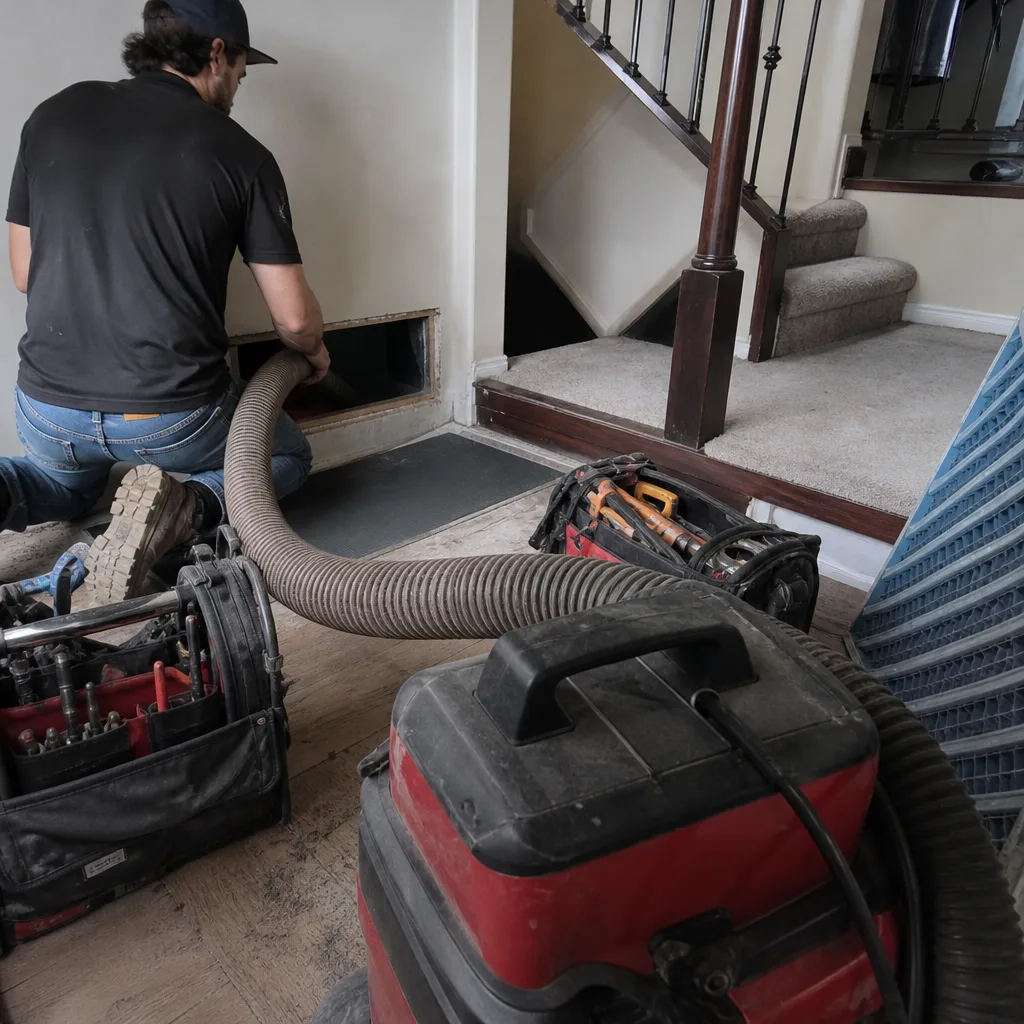 Before
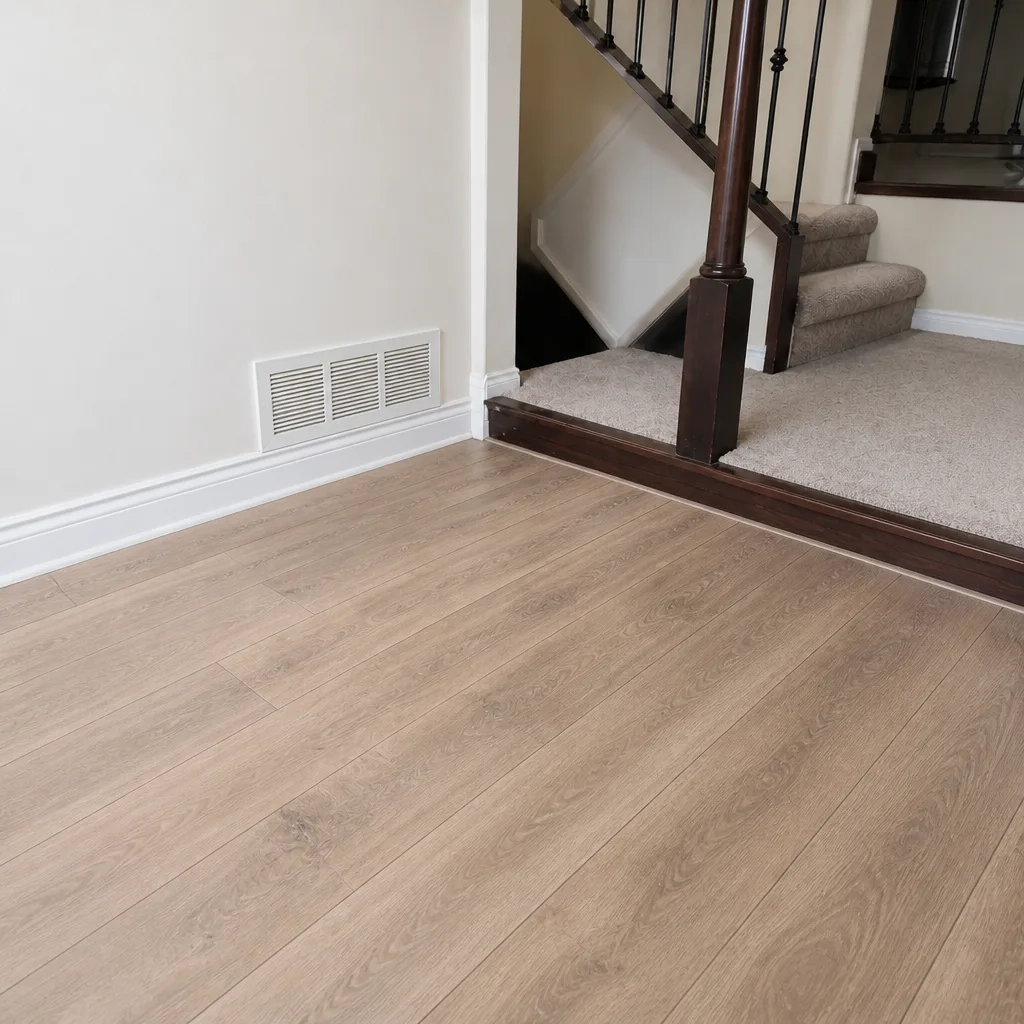 After
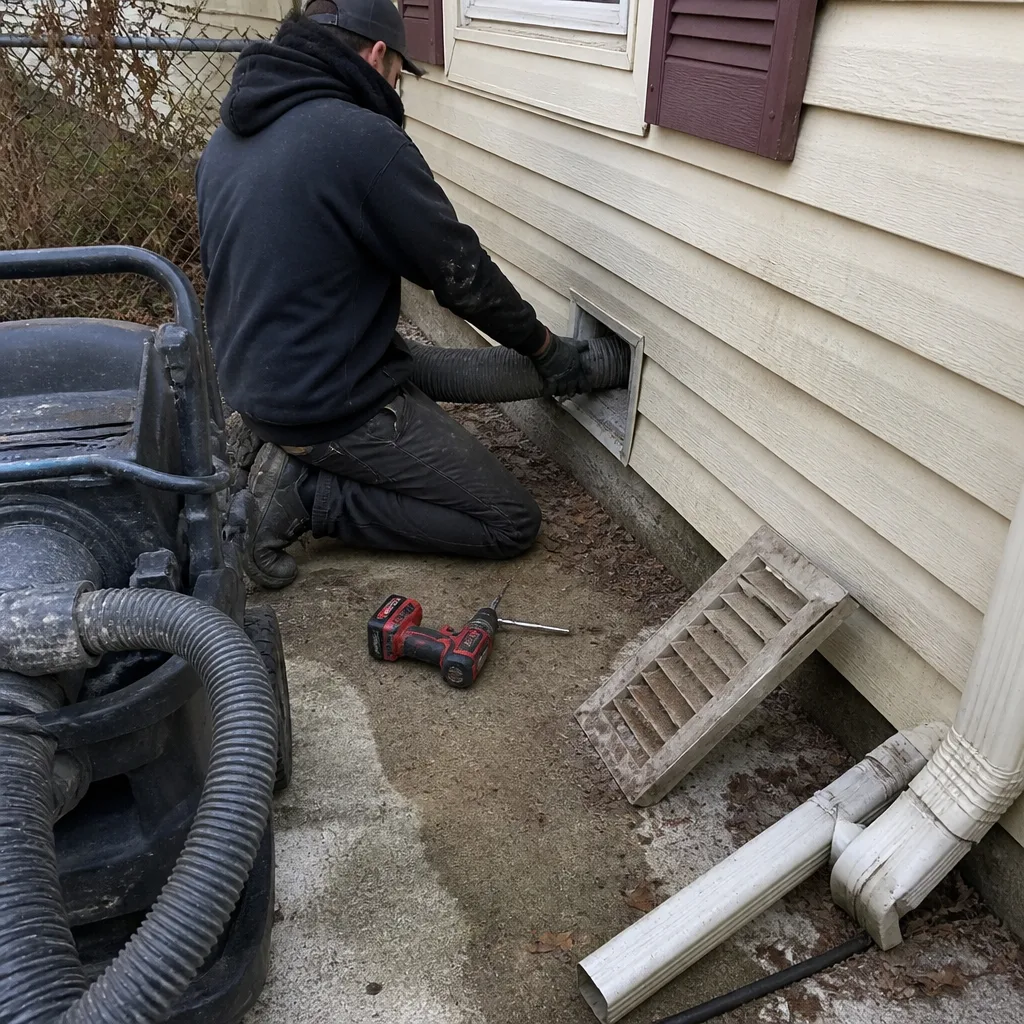 Before
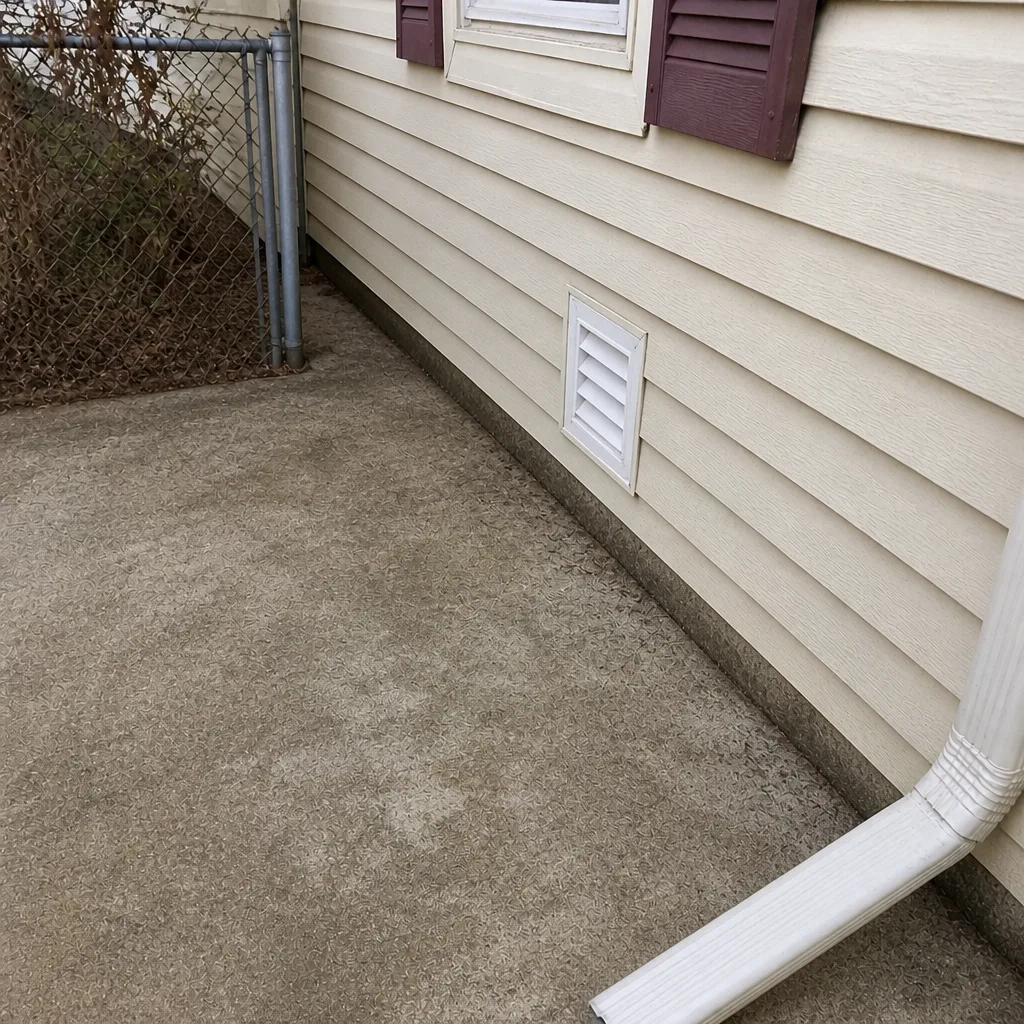 After
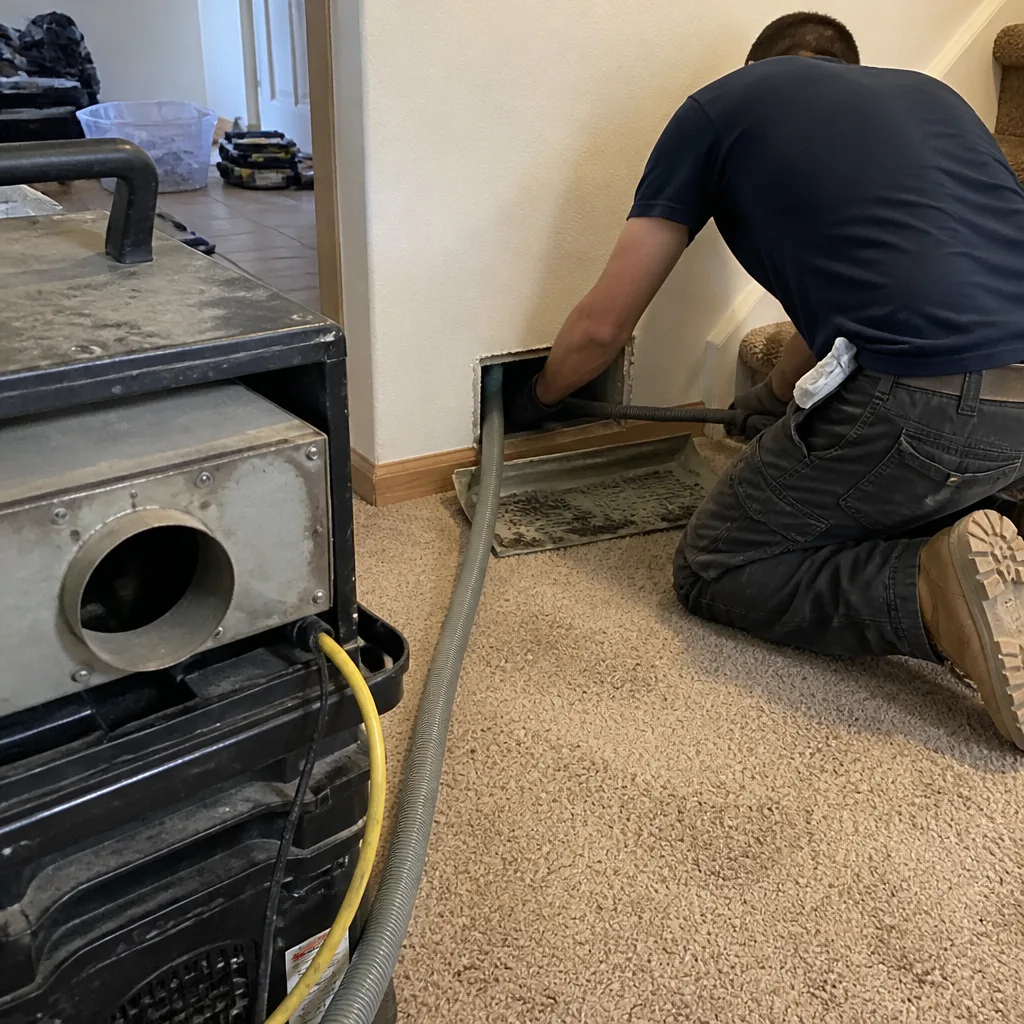 Before
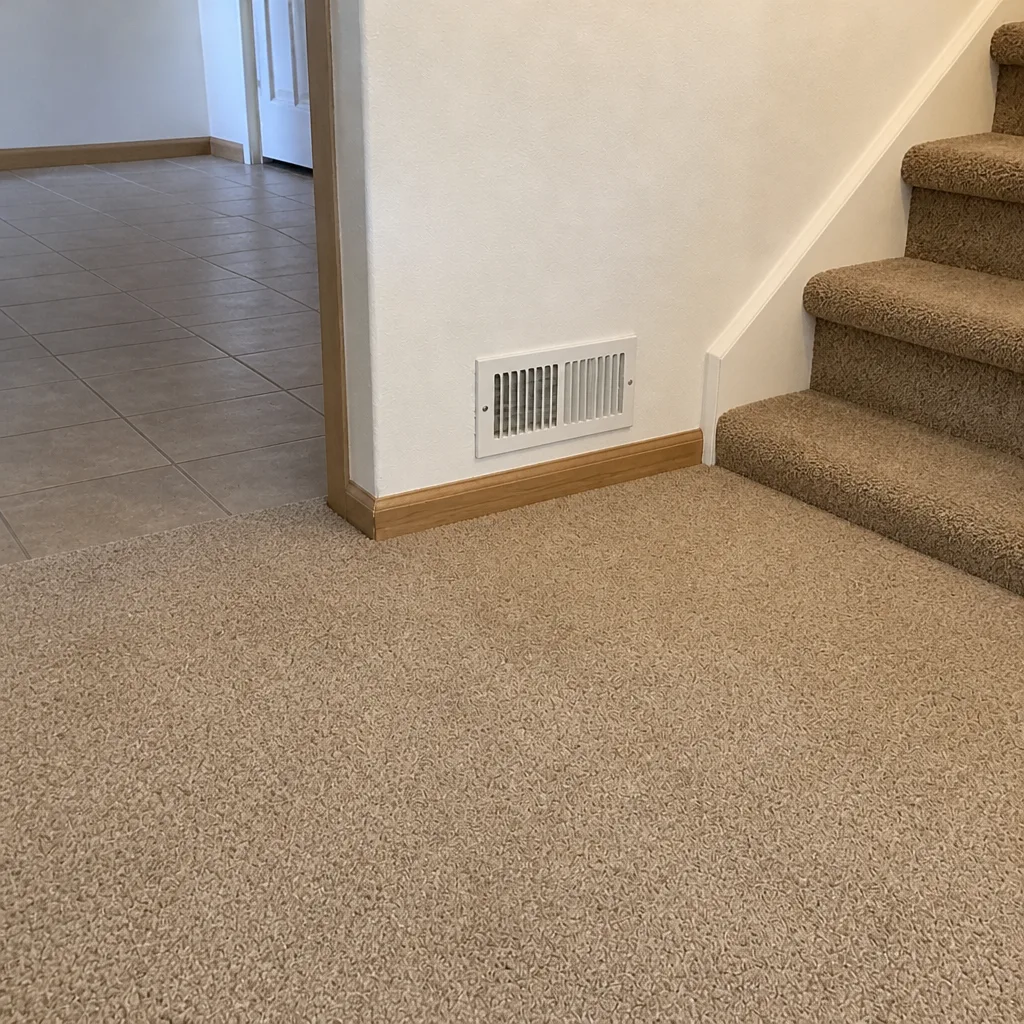 After
When to Call a Professional
Some duct issues are obvious. If a register blows visible dust, if a room smells musty when the HVAC runs, if a recent remodel left a fine layer of construction dust through the house, or if someone in the home has developed new respiratory sensitivity that tracks with the HVAC schedule, a professional cleaning is worth booking. Same if you’ve lived in a Westminster home for years and have never had the ducts cleaned. Before-and-after photos and a written flat price per system are the proof points to ask for.
Repair scenarios also warrant a call. A duct that’s come loose in the attic, a crushed run under a floor, or a section that’s been repaired with duct tape and is now leaking all belong with a technician, not a weekend fix. The same is true of a dryer vent with visible lint buildup. Ridgeway Air Duct Cleaning offers free estimates in Westminster, and the team can be reached at (844) 643-7197.
Frequently Asked Questions
Verify the equipment before you book. Ask about the cleaning method (contact cleaning is the standard), the vacuum filtration class (HEPA-rated is the baseline), and whether the contractor uses containment equipment during the job. A contractor who can answer those questions clearly, and who offers a flat price per system in writing, is a much safer choice than one selling a low coupon service.
The equipment is what makes the cleaning thorough. Rotobrush contact-cleaning systems physically agitate duct walls with a rotating brush while extraction runs, which removes biofilm and compacted debris that air-only methods miss. Nikro HEPA-rated vacuums capture what’s dislodged before it can re-enter the air. Abatement Technologies equipment keeps the workspace contained. Without that toolset, “thorough” is a claim, not a fact.
Professional whole-system cleaning in Westminster is priced per job, not per vent, and the written estimate before work starts is the price. Any quote that starts with a very low number and grows through per-vent add-ons or discovered extras is the pattern the industry is known for. A flat price per system, agreed up front, is the number to compare. Call (844) 643-7197 for an exact quote. Estimates are free.
Ask for before-and-after photos of your own ducts. A contractor who documents the job is a different kind of contractor than one who doesn’t. Pair that with a flat price per system agreed in writing and a certified equipment list on the initial call, and you’ve got the record you need.
Most homes benefit from whole-system cleaning every few years, but the interval depends on the home. Older Westminster homes with sheet metal ducts and heavy return-side dust loading may need it more often. Homes with pets, recent remodeling, or HVAC systems running through a high pollen and wildfire-smoke season tend to accumulate faster. If you’re unsure, the practical move is to ask a contractor to inspect the return plenum and describe what they see.
Yes. We run Rotobrush contact-cleaning systems on every duct job, Nikro HEPA-rated vacuums for containment, and Abatement Technologies equipment for negative-air control. We also work on Honeywell and Aprilaire filtration and IAQ systems, so the same visit that cleans the ducts can evaluate your filtration setup. Call (844) 643-7197 for a free estimate.
The Bottom Line
The best duct cleaning contractor in Westminster is the one whose equipment you can verify. Reviews and price alone don’t tell you what’s happening inside the ducts, but the toolset does. Contact cleaning with Rotobrush, HEPA-rated capture with Nikro, and containment discipline from Abatement Technologies equipment separate a professional whole-system project from a rushed coupon job. Ask the questions, get the flat price per system in writing, and expect before-and-after photos. If a contractor can answer those questions clearly, they’ve earned a place on the shortlist. If they can’t, you’ve learned something useful before anyone shows up at your door.
Ridgeway Air Duct Cleaning offers air duct cleaning, dryer vent cleaning, and air duct repair in Westminster with equipment built for the work. Call (844) 643-7197 for a free estimate. We answer 24/7. Fast dispatch from 7am to 7pm, Sunday through Friday.
Written by the team at Ridgeway Air Duct Cleaning.