
Last updated November 16, 2026
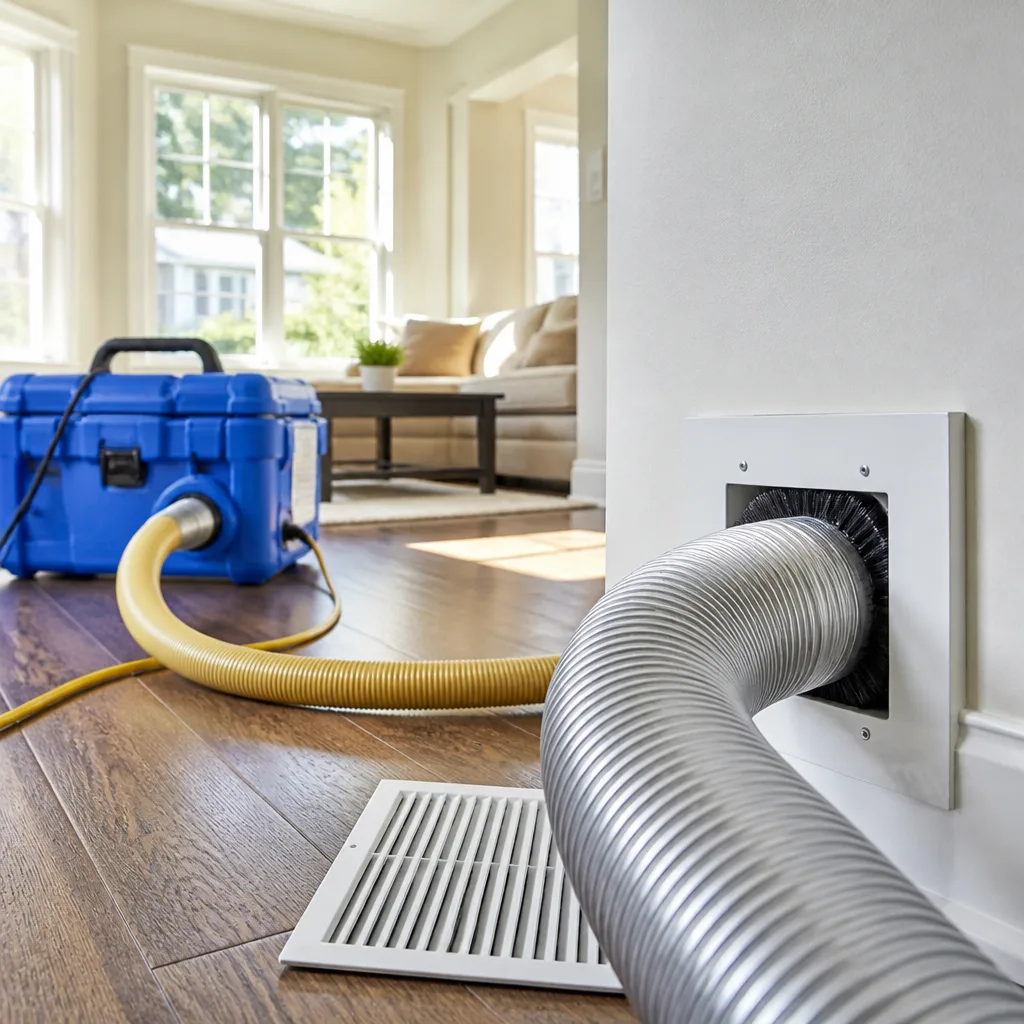 Whole-home duct cleaning
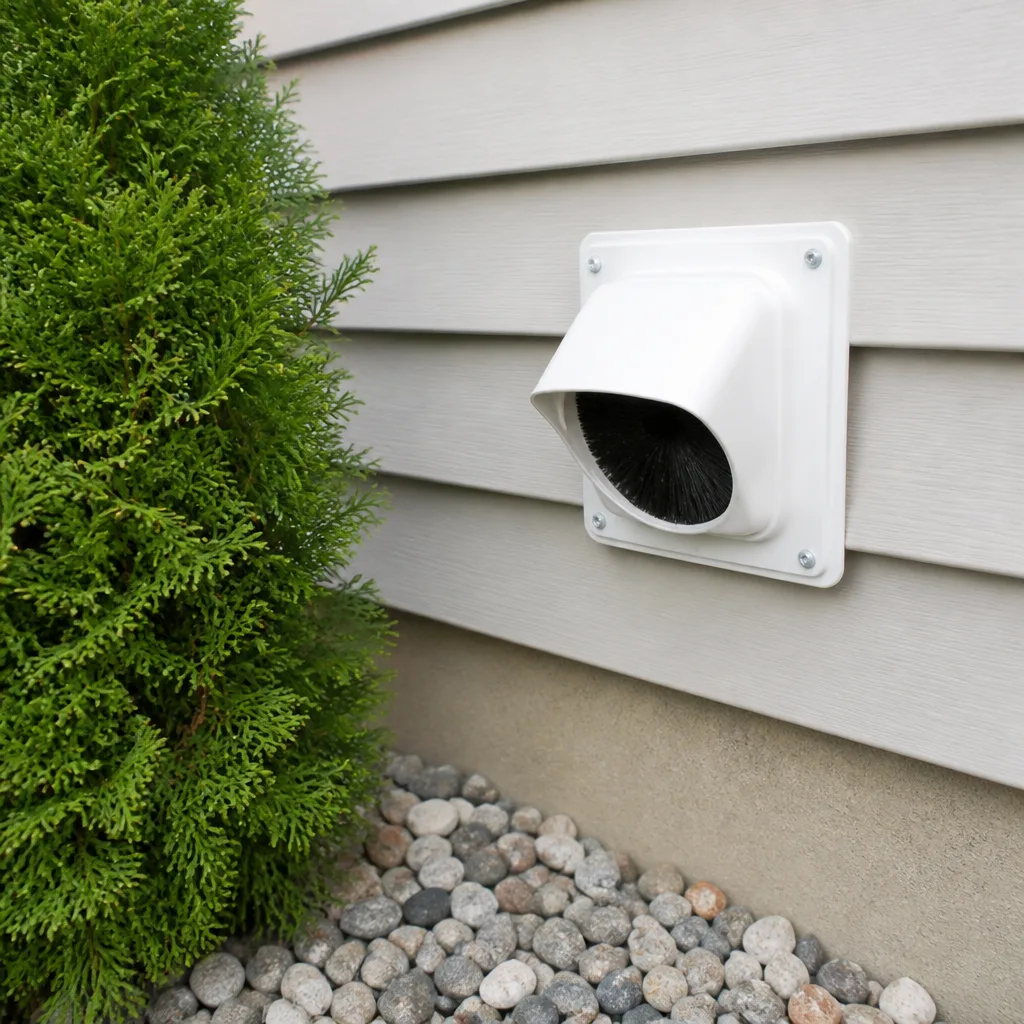 Dryer vent cleaning
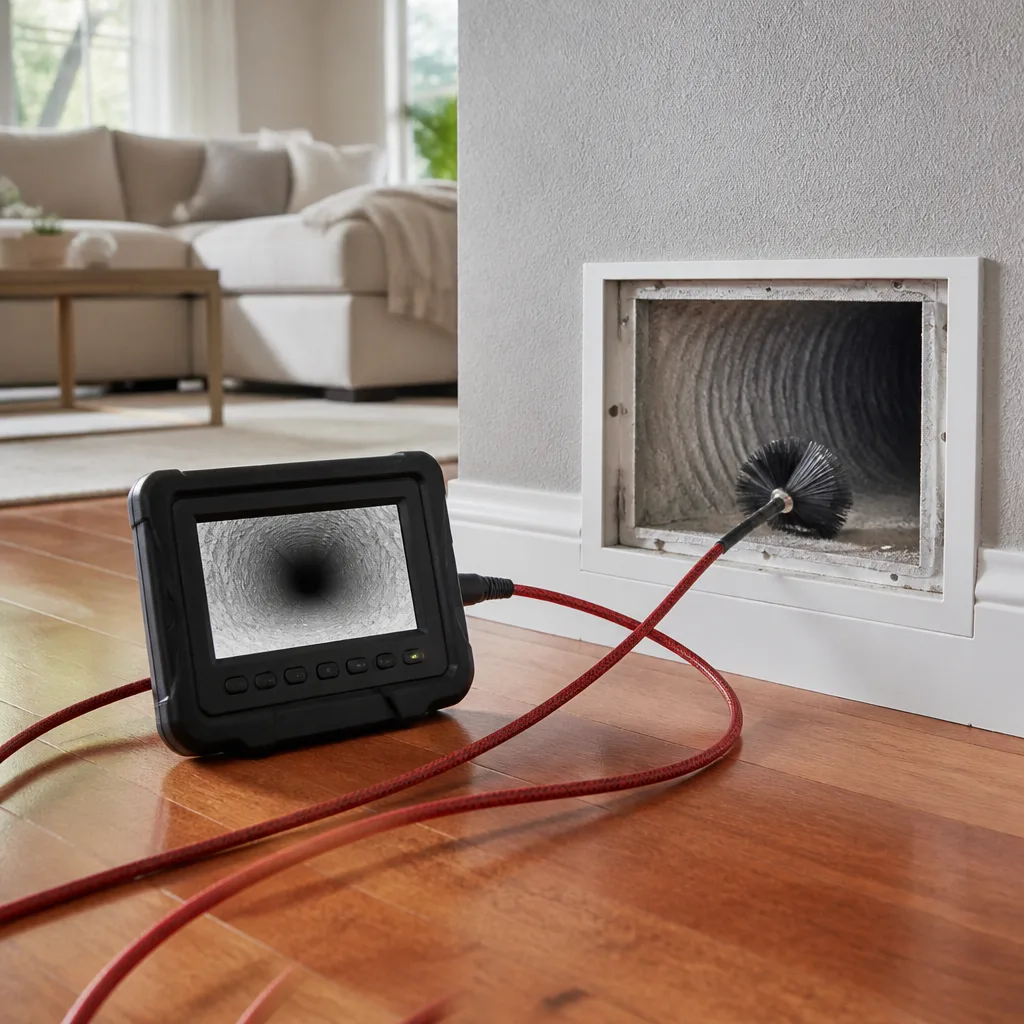 Camera inspection
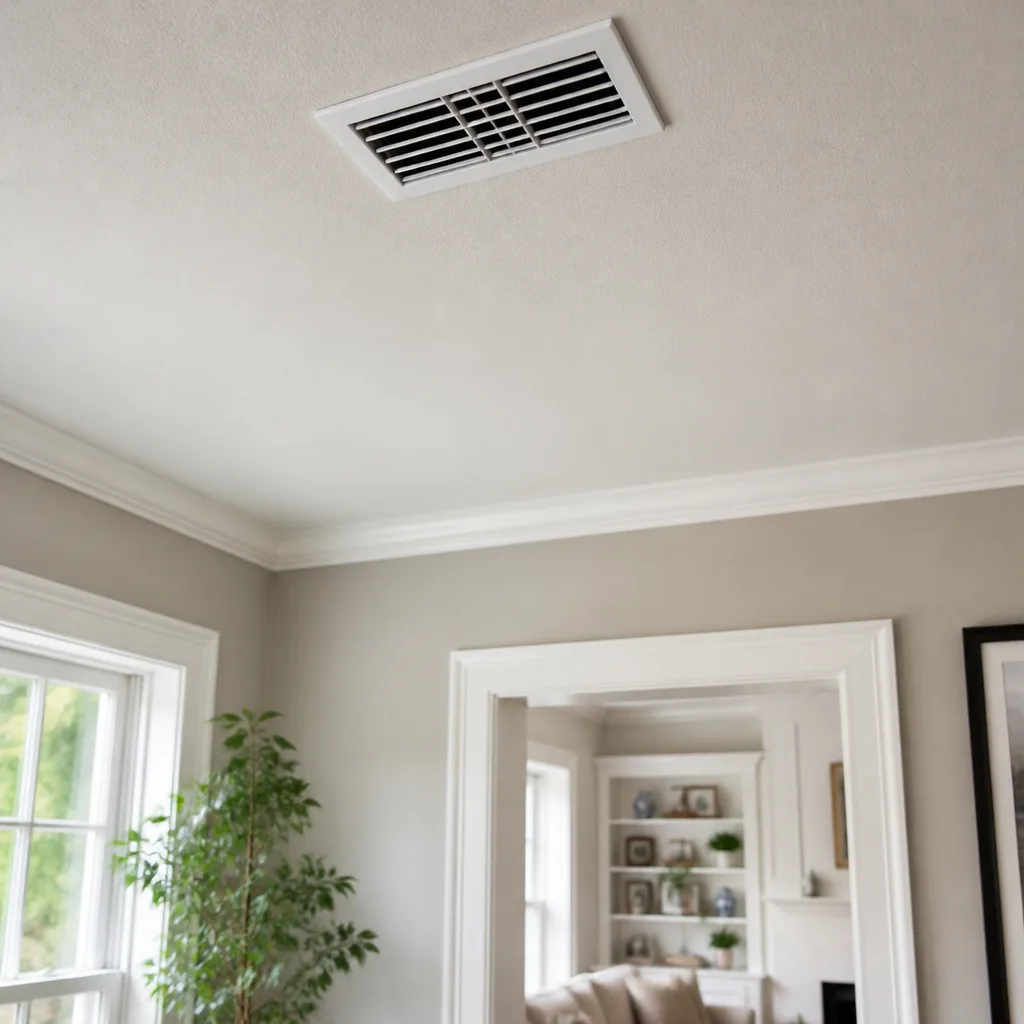 Sanitizing & deodorizing
Whole-system duct and dryer vent check with before-and-after photos - you see exactly what came out of your vents
That "$99 whole-house special" is a bait ad - the real number appears once they are in your hallway, or the "clean" is a shop-vac at the register. We photograph the inside of your ducts before and after instead.
Air Duct Cleaning Troubleshooting in Westminster: Common Problems and How to Fix Them
If your house still smells stale two weeks after a duct cleaning, the job probably wasn’t finished. That’s the uncomfortable truth most homeowners in Westminster arrive at slowly, after vacuuming the same coffee table for the fifth time and wondering whether the service they paid for actually happened. A dirty duct and a failed cleaning can look almost identical from the living room couch. They don’t sound the same, they don’t smell the same, and they don’t come back on the same schedule. This guide is about reading the symptoms accurately before you call anyone, so you can tell a genuine cleaning failure from a secondary problem, an equipment shortfall, or a ductwork issue that cleaning alone was never going to solve.
Quick Answer
Most duct problems in Westminster fall into three buckets: debris that was never removed because the contractor used air-only blasting instead of contact cleaning, a mechanical failure like a collapsed flex run or an unsealed access panel, or a containment failure where the vacuum wasn’t HEPA-rated and fine particulate recirculated into the living space. Diagnose by smell, timing, and location. A musty odor that returns within days is usually moisture or mold. Dust that never settles points to containment or sealing. Temperature swings between rooms point to ductwork, not the furnace.
Styles & brands we work with
- Whole-home duct cleaning
- Dryer vent cleaning
- Camera inspection
- Sanitizing & deodorizing
Table of Contents
- Debris Still in the Ducts vs. a Secondary Problem
- Why Rooms Are Still Uneven After Cleaning
- Post-Cleaning Dust: Normal vs. Ongoing
- How to Tell If a HEPA Vacuum Was Actually Used
- The Westminster Climate Factor: Dry Air and Dust Load
- Musty Smells, Chemical Smells, and What Each One Means
- When the Problem Is Duct Repair, Not Duct Cleaning
- How to Verify the Work Was Done Correctly
Debris Still in the Ducts vs. a Secondary Problem
The single most useful troubleshooting skill is telling these two apart, because one calls for a re-clean and the other calls for a different service entirely. Debris sitting in the ducts produces a dull, earthy, dusty smell that shows up strongest when the system first kicks on and fades as air moves. A secondary problem like mold growth or a disconnected duct section produces a smell that doesn’t fade. It sits in the room, gets worse in humid weather, and often concentrates in one area of the house.
Timing narrows it further. If the stale smell returned within a week of a cleaning, the debris was never fully removed. Contact cleaning with a system like Rotobrush physically agitates the duct walls and pulls the loosened material into a vacuum at the same time. Air-only blasting knocks some of it loose and leaves the rest stuck to the walls, where it re-settles within days. That’s the most common reason a cleaning “doesn’t take” in Westminster homes.
Location is the third signal. Walk the house with the system running and note where the smell is strongest:
- Every room equally: the main trunk line was likely never cleaned, or the vacuum had no real negative pressure to pull from.
- One or two rooms: point to a specific branch run, often a disconnected or crushed flex duct feeding those registers.
- Near the air handler only: usually a dirty evaporator coil or a wet pan, which is an HVAC service issue, not a duct cleaning one.
If the smell is sharp and chemical rather than earthy, stop running the system and get it looked at before anything else. That pattern is discussed further down. For the cleaning-focused version of this work, see our air duct cleaning page.
Why Rooms Are Still Uneven After Cleaning
A homeowner calls a duct cleaner because the back bedroom is hot and the front of the house is cold. The cleaning happens. The bedroom is still hot. That outcome is predictable, and it isn’t the cleaner’s fault or the furnace’s fault. Uneven temperatures after a cleaning almost always mean the duct system itself has a mechanical problem, and cleaning doesn’t fix mechanical problems.
The usual culprits in Westminster homes, in rough order of how often we encounter them:
- Collapsed or kinked flex duct. Flexible duct that bends too sharply or got stepped on in the attic cuts airflow to a room by half or more. You can usually spot it by tracing the run from the plenum to the register.
- A disconnected joint. Flex duct pulled off a boot or a trunk collar dumps conditioned air into the attic. That room never gets its share, and the attic gets warm and damp.
- An access panel left unsealed. After a cleaning, every panel the technician opened has to go back with a proper seal. An unsealed panel leaks air into a closet, crawlspace, or garage and quietly robs the whole system.
- Closed or blocked registers. Obvious, but it happens, especially in rooms used for storage.
- Undersized returns. If the return ducting can’t move enough air back to the air handler, every room suffers, and the system runs longer and hotter.
If the room was uneven before the cleaning and it’s still uneven after, ask specifically whether the technician inspected the flex runs for kinks and disconnects while the system was open. A cleaning that doesn’t include that inspection leaves the actual problem in place. If the problem turns out to be damaged ductwork, cleaning is the wrong tool and Ridgeway Air Duct Cleaning handles the repair side of it as a separate scope.
Post-Cleaning Dust: Normal vs. Ongoing
Some dust after a duct cleaning is normal. Twenty-four to forty-eight hours of light settling on horizontal surfaces is expected: the act of agitating and removing years of accumulated particulate stirs up a small amount of ambient dust in the process. Vacuum once, and it should settle.
Dust that keeps coming back for weeks means something else. The pattern to watch is whether the dust arrives after the cleaning or simply never stopped. If it never stopped, the cleaning didn’t address the source. Common sources that cleaning alone doesn’t solve:
- A failed containment setup. If the vacuum wasn’t HEPA-rated and set up with negative pressure, fine particulate blew back into the living space during the job instead of leaving the house.
- Return air leaks. A return duct that draws from a dusty attic or garage will coat the house in dust no matter how clean the supply side is.
- Filtration too weak for the environment. A basic one-inch filter in a high-dust home is a losing battle. A proper media cabinet or a brand like Aprilaire changes the math.
- No door gaskets or unsealed penetrations. Small openings around the air handler and duct boots let in attic dust continuously.
The clean way to judge it: if you wiped a shelf just before the cleaning and it’s dusty again within days, the vacuum didn’t contain the debris. That’s an equipment problem, not a housekeeping problem. Read more about what proper containment looks like on our Westminster service page.
How to Tell If a HEPA Vacuum Was Actually Used
Homeowners rarely see the equipment during the job, so this is the area where verification matters most. A shop vac with a filter is not a HEPA vacuum, and a duct cleaning done with one does more harm than good: it pulls some debris out of the ducts and pushes the finest, most breathable particles straight back into the room.
What to check, on site or after the fact:
- Look at the vacuum before the job starts. A professional negative-pressure setup uses a HEPA-rated unit with a sealed hose running to the main trunk. Nikro HEPA units are the kind of equipment you’d expect to see on a serious job. An ordinary wet/dry shop vac is not in that class.
- Ask how the system was put under negative pressure. A proper setup creates a pressure differential that pulls air (and debris) toward the vacuum, not toward the living space. Abatement Technologies negative-air and containment equipment is the reference standard here, not an add-on.
- Watch for containment barriers. If the job involved opening the system in a finished area, there should be some form of plastic sheeting or floor protection, and registers should be removed and cleaned, not just wiped.
- Ask about the hose connection point. The vacuum should connect to a trunk or main, not sit in the middle of a hallway pulling air from an open register.
If any of that is unclear or never happened, treat the cleaning as incomplete and get a second opinion before spending more money on filters or air purifiers. If it’s unclear what was actually done, our guide to what happens during a dryer vent cleaning visit shows the level of containment and inspection a serious duct cleaning should match.
The Westminster Climate Factor: Dry Air and Dust Load
Air duct problems in Westminster don’t behave the same way they do in a humid climate, and that changes the troubleshooting logic. The region is dry, the air carries a lot of fine particulate from the surrounding prairie and high-desert country, and the altitude means the heating system runs harder for longer stretches of the year. All three push dust load higher inside the duct system than a homeowner would expect from a seasonal cleaning.
What that means in practice:
- Dust accumulates faster than in humid regions. The combination of dry air, wind-blown particulate, and long heating cycles means a system that runs from fall to spring can load up quicker than the “every few years” guidance borrowed from wetter parts of the country.
- Static makes the dust stick. In very low humidity, fine dust clings to duct walls by static rather than gravity. Air-only blasting barely moves it. Contact cleaning with a system that agitates the walls is the tool that actually works in this environment.
- Altitude means the blower works harder. At higher elevation the air is thinner, so a partially blocked duct or a poorly balanced return hits performance earlier than it would at sea level. That’s why a small kink in a flex run in a Westminster attic can produce a noticeable temperature gap.
- Mold risk is lower but not zero. Dry air suppresses mold growth in most of the system, but a leaking or disconnected duct that condenses from the cooling coil can still create a wet spot. Musty smells in this climate usually trace back to a localized moisture source, not whole-system humidity.
Practically, this means homeowners in Westminster should watch for re-dusting sooner and treat static-clung dust as a sign the cleaning didn’t reach the duct walls, not as proof that the house is unusually dirty. If you’ve cleaned once and the problem came back fast, the environment is doing what it always does; the question is whether the cleaning actually kept up with it.
Musty Smells, Chemical Smells, and What Each One Means
Smell is the fastest diagnostic tool you have, and it points in very different directions depending on the type. Read the smell carefully before you decide what to fix.
Musty and damp
Points to moisture and likely mold growth somewhere in the system. In a dry climate like Westminster’s, the moisture almost always comes from a specific source: a wet evaporator coil, a plugged condensate drain, or a disconnected duct pulling humid air from a crawlspace. Cleaning removes surface growth, but the moisture source has to be fixed or the smell returns.
Earthly and dusty, strongest at startup
The classic “debris still in the ducts” pattern. If it fades as the system runs, the material is loose. If it’s been weeks since the cleaning, this is the clearest sign of a cleaning that didn’t reach the duct walls.
Sharp, chemical, or hot plastic
Stop running the system. That smell can indicate an electrical or blower motor issue, which is an HVAC or electrical service problem, not a duct problem. Do not open the air handler to investigate yourself. Get a licensed professional out.
Raw fuel or rotten egg
A gas smell is a safety matter. Leave the building, ventilate, and follow your utility’s emergency instructions. Do not run the HVAC system or operate switches. This is out of scope for duct cleaning and requires an emergency gas response.
For the two smell types that fall inside the duct-cleaning scope (earthy/dusty and musty), the fix depends on whether containment, contact cleaning, or a repair is missing. A musty smell that returns after cleaning is a moisture-problem flag, not a reason to clean more often.
When the Problem Is Duct Repair, Not Duct Cleaning
Some problems are unfixable by cleaning no matter how good the equipment is. Knowing when you’ve crossed that line saves money and prevents a cycle of repeat cleanings that never solve anything.
Treat the job as a repair, not a cleaning, when you see any of these:
- Visible tears, holes, or crush damage. Flex duct that’s been stepped on, chewed through, or torn is losing airflow. Cleaning the rest of the system won’t help until the damaged section is replaced.
- Disconnected joints or pulled-apart flex. Common in attics. You’ll often find the problem by seeing warm air blowing where it shouldn’t in the winter, or a room that never heats or cools while every other room does.
- Failing duct tape and old mastic. The gray fabric tape used on older installs loses its grip after years of heat cycling. That’s a sealing job, and cleaning doesn’t reseal anything.
- Biological growth inside the ducts. Cleaning removes the visible growth, but the duct material or insulation may need remediation if the contamination is deep. This is where a proper negative-air setup with Abatement Technologies containment matters.
- Improper earlier repairs. When a previous “fix” left the system sealed with the wrong material or rerouted incorrectly, fixing it means undoing the wrong work first.
If two or more of those are present, ask for a duct inspection that pairs cleaning with repair. A company that only cleans will refer you out at exactly the point where the real problem lives. The full-service scope is worth asking about before you book: cleaning, repair, and the IAQ side (filtration upgrades with brands like Honeywell and Aprilaire) in one visit instead of three.
How to Verify the Work Was Done Correctly
Verification is the step most homeowners skip, and it’s the step that separates a real result from a receipt. You don’t need technical training to confirm that a duct cleaning was done properly. You need a short list of checks, done on the day of service.
Run through these before the technician leaves:
- Before-and-after photos of your own ducts. A serious contractor documents the main trunk and at least one branch, showing the walls before and after. If they can’t produce photos, that’s a red flag.
- Registers removed and cleaned. Not just vacuumed in place. Grilles and boots come off, get cleaned, and go back sealed.
- Every opened panel resealed. Walk the house with the technician and confirm the access panels are back on with a proper seal, not just resting in place.
- The vacuum was running during the entire job. If it shut off mid-job, debris settled back into the system.
- Airflow check at the registers. Put a hand or a tissue at each register before and after; it should feel at least as strong, ideally stronger in every room.
- A written summary of what was found. Any kinked duct, disconnected joint, or moisture issue should be in writing, with a recommendation.
The one thing no contractor can verify for you is a job that happened while you were out. If you’re not home during the service, ask in advance for the before-and-after documentation and confirm it’s included in the price. That single ask separates the contractors doing the work from the ones selling a coupon. For more on what should be included in a Westminster duct cleaning, see our service detail page.
Common Mistakes to Avoid
- Booking on price alone. A coupon-driven cleaning almost always means an air-only, shop-vac setup and no containment. You end up paying twice: once for the surface pass, once for the real clean. In a Westminster home that runs the heat for a long season, that’s the most expensive route.
- Assuming a cleaning fixes temperature problems. It doesn’t. If rooms are still uneven after cleaning, the flex duct is probably kinked or disconnected, or a panel was left unsealed. Ask for an inspection, not another cleaning.
- Ignoring static-clung dust. In dry, high-altitude climates, dust sticks to duct walls by static charge. Air-only blasting doesn’t move it. If your cleaning was air-only, it didn’t clean.
- Not walking the house after the job. Registers not reseated, panels not sealed, and a disconnected flex run are all things you can spot in five minutes if you look for them. Ask for the walkthrough.
- Treating a musty smell as a cleaning problem. Mustiness points to a moisture source. Cleaning without fixing the moisture means the smell comes back. Find the source first.
- Skipping the dryer vent while the ducts are being cleaned. A dryer vent that’s clogged with lint is a fire risk and a drying-efficiency problem, and it’s usually the same visit if you ask. See our dryer vent cleaning page for what that job involves.
- Assuming a HEPA filter is a substitute for HEPA containment. A HEPA filter on the furnace doesn’t help if the vacuum during the job wasn’t HEPA-rated. Containment has to happen during the cleaning, not after.
See the difference
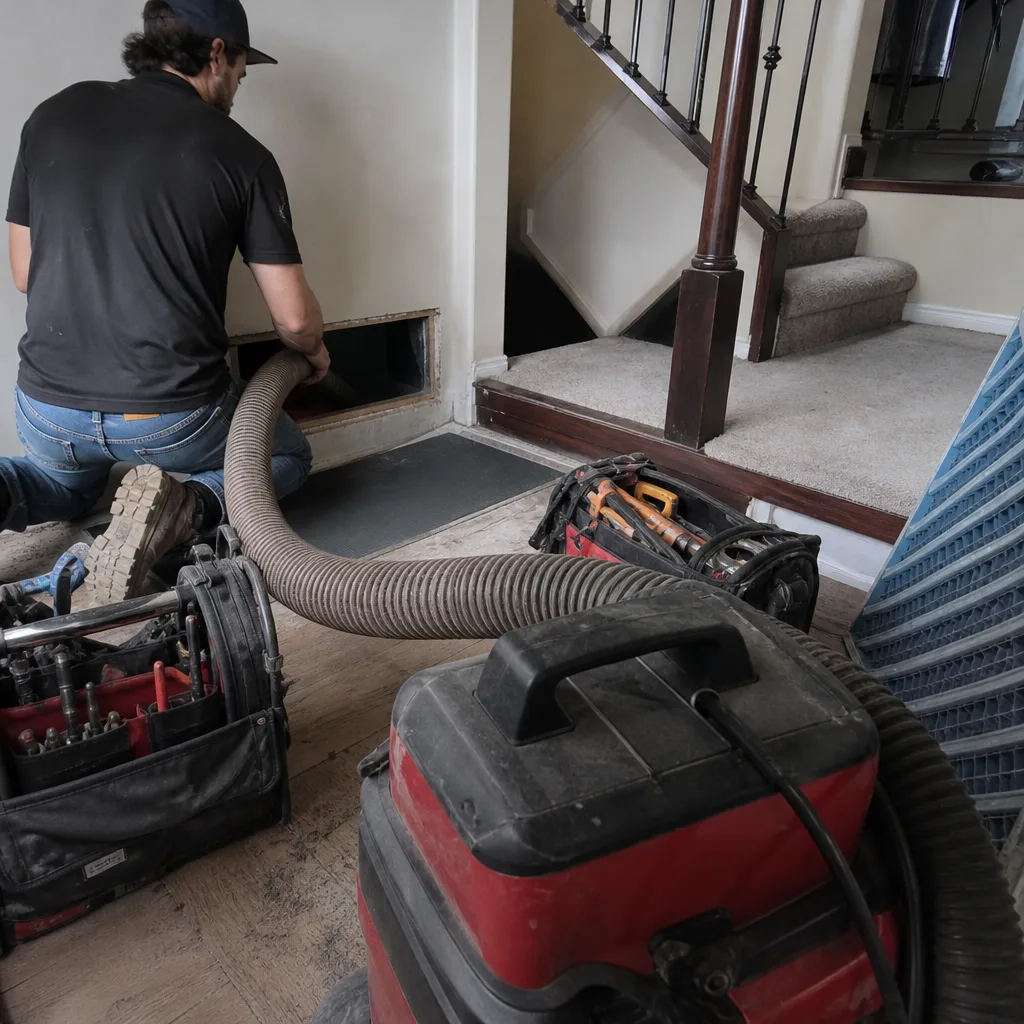 Before
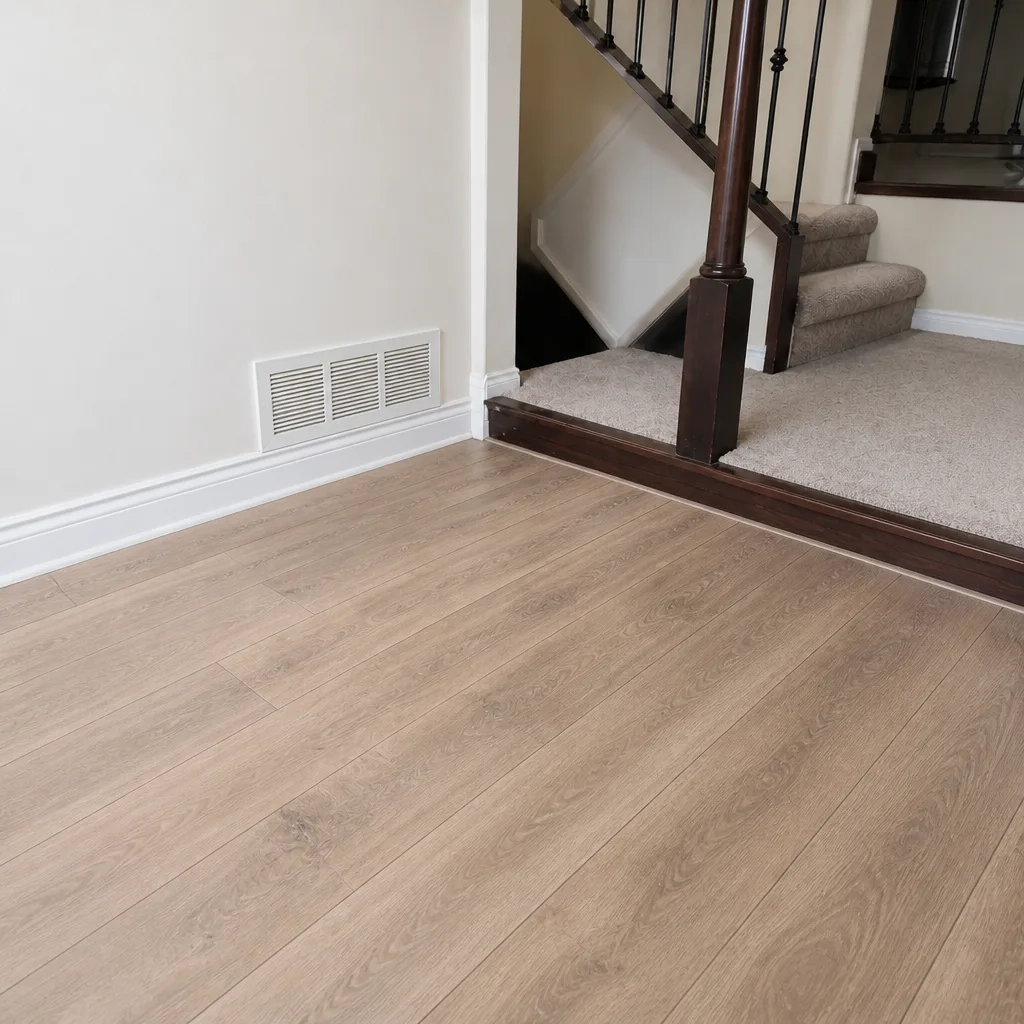 After
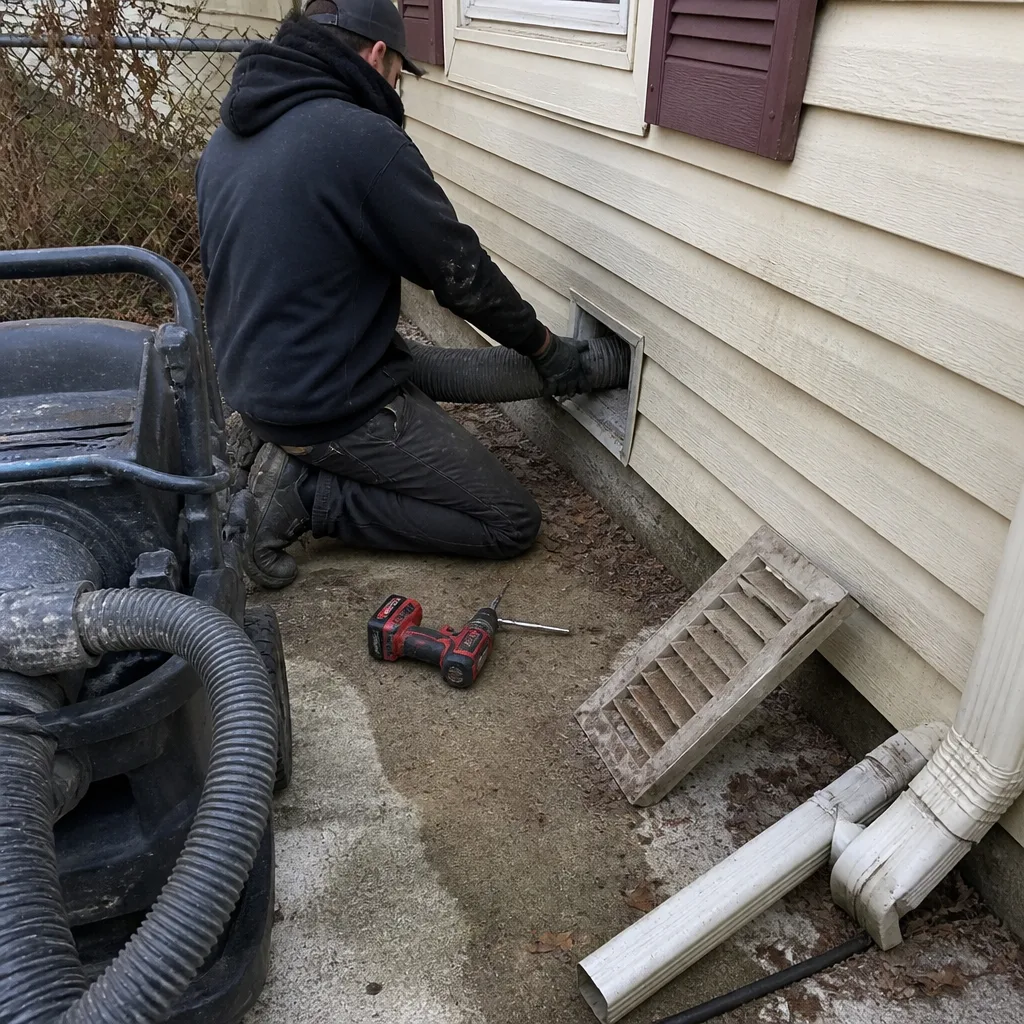 Before
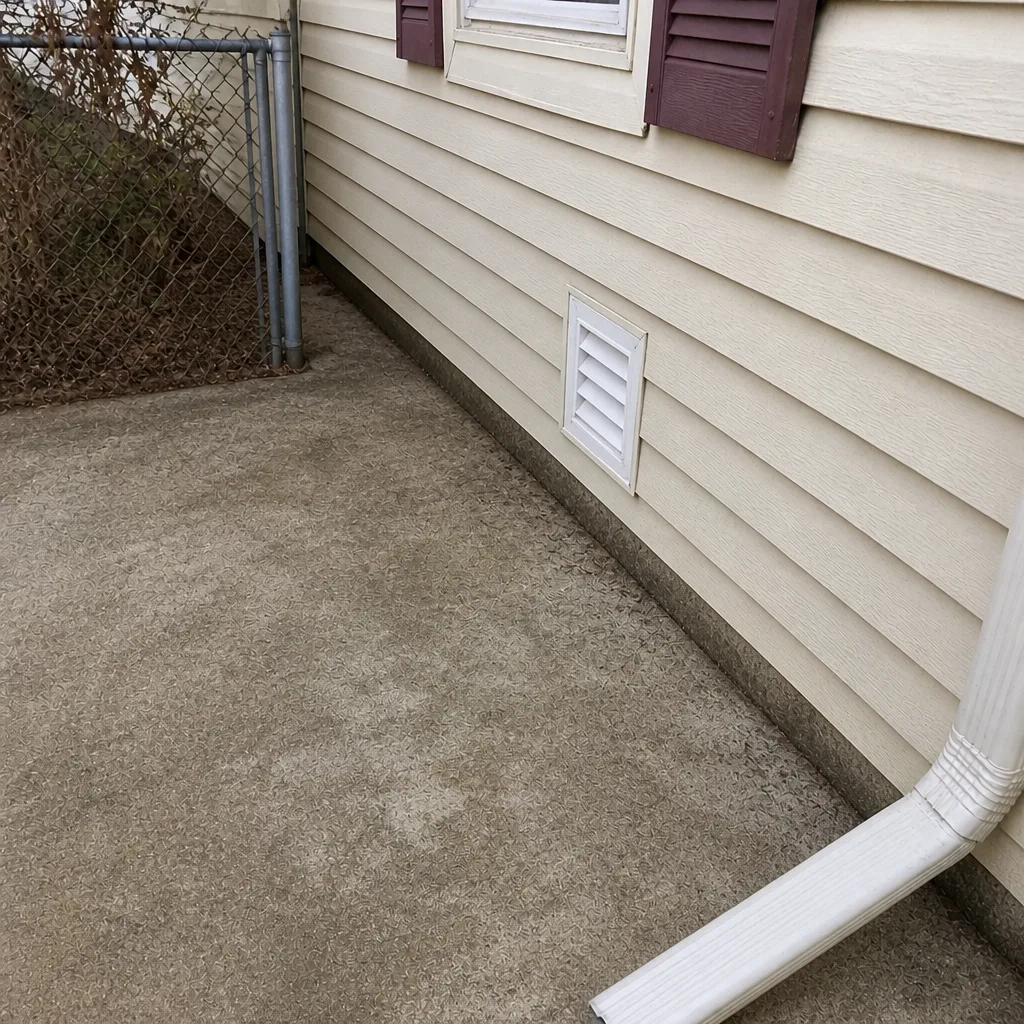 After
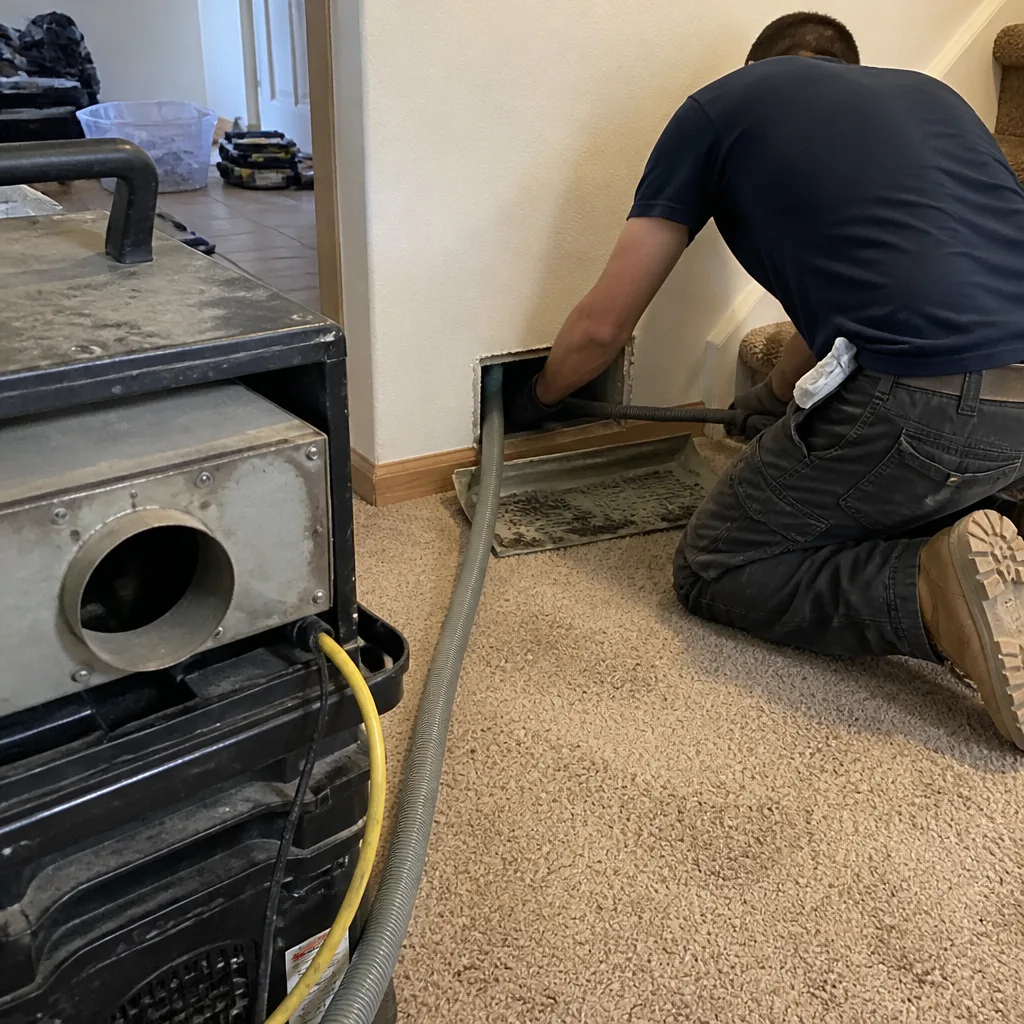 Before
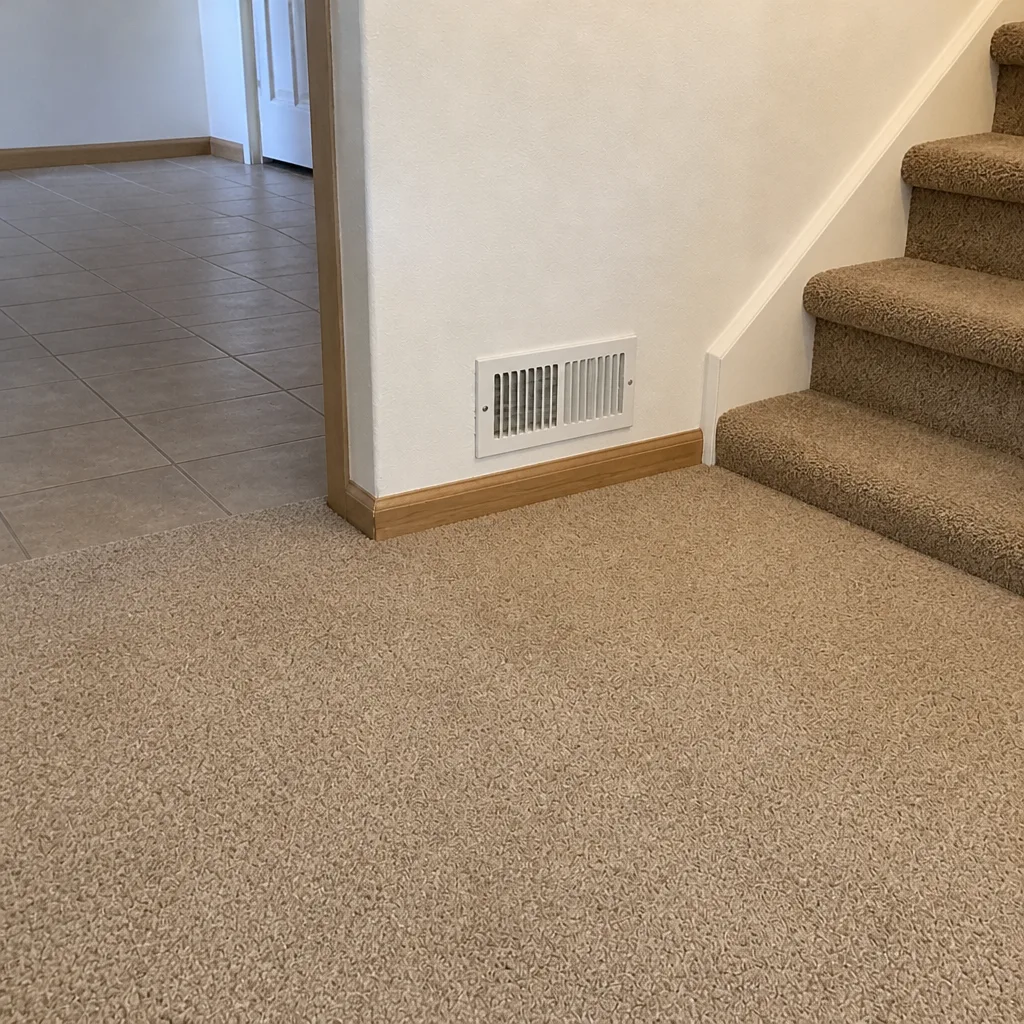 After
When to Call a Professional
Some problems are worth troubleshooting yourself; a few are not. Call a professional when any of the following is true: you smell gas, you smell burning or hot plastic, you have visible moisture or mold growth inside the system, an access panel is unsealed or damaged, a room has been hot or cold regardless of what you’ve tried, or the dust keeps returning weeks after a cleaning was supposedly done. Any of those means the problem is beyond what a homeowner can safely diagnose from the outside, and in the case of gas or electrical smells it’s a safety matter, not a service preference.
Ridgeway Air Duct Cleaning offers free estimates in Westminster and can tell you the difference between a job that needs cleaning, a job that needs repair, and a job that needs to be redone correctly. Call (844) 643-7197. We answer 24/7. Fast dispatch from 7am to 7pm, Sunday through Friday. Our technicians have up to 8 years of experience with the equipment brands (Rotobrush, Nikro, Abatement Technologies, Aprilaire) that separate a real clean from a surface pass.
Frequently Asked Questions
Because the vacuum probably wasn’t HEPA-rated and the system wasn’t run under negative pressure, so fine particulate blew back into the house during the job instead of leaving. A HEPA-contained setup captures debris as it’s loosened, and post-job dust should settle within 24 to 48 hours. If dust keeps coming back after that window, the job is incomplete. Call (844) 643-7197 for an exact quote on redoing it correctly.
No, but it is common. Uneven temperatures after cleaning almost always point to a mechanical problem in the ductwork (a collapsed flex run, a disconnected joint, or an access panel left unsealed) rather than the furnace. Cleaning doesn’t fix mechanical problems. The right next step is a duct inspection, not a second cleaning.
Pricing depends on the size and layout of the system, the number of trunks and branches, and whether repair is needed alongside cleaning. There’s no honest per-vent price, and any coupon figure you see is not the number you’ll pay once the technician is on site. We set one flat price per system in writing before work starts, so you know the total in advance. Call (844) 643-7197 for a free estimate.
Because the cheaper quote almost always reflects an air-only blast with a shop vac and no containment, no HEPA filtration, and no documentation. That’s not the same service. The difference in price is the difference between removing the debris and redistributing it. Ask any contractor what vacuum they use and whether the system is put under negative pressure; if the answer is vague, the quote is telling you what’s missing.
Ask for before-and-after photos of your own ducts, a walkthrough of every register and resealed panel, and a written summary of anything found during the inspection. A contractor who uses professional equipment (a Rotobrush contact-cleaning system, a Nikro HEPA vacuum, Abatement Technologies containment) can produce those. A contractor using a shop vac usually can’t. Call (844) 643-7197 for an estimate and ask what documentation is included.
More often than the general “every few years” advice you’ll see online, and less often than the annual plan some companies will try to sell you. Westminster’s dry, windy climate loads the system faster than a humid region, and static-charged dust clings to duct walls, so the first sign of re-dusting is the trigger to inspect, not a calendar date. Start with an inspection and let what you find set the schedule.
The Bottom Line
Most duct complaints after a cleaning trace back to one of three things: an air-only clean that never touched the duct walls, a containment failure where the vacuum didn’t filter what it pulled, or a mechanical problem (a kinked flex run, a disconnected joint, an unsealed panel) that cleaning was never going to fix. Read the symptom before you spend money: an earthy smell is usually debris, a musty smell is usually moisture, ongoing dust is almost always containment, and uneven rooms are almost always ductwork. Once you know which one you’re dealing with, the fix is straightforward and the second cleaning is not wasted. It’s the one that actually does what the first one promised.
Call Ridgeway Air Duct Cleaning at (844) 643-7197 for a free estimate. We answer 24/7. Fast dispatch from 7am to 7pm, Sunday through Friday. We’re closed Saturdays. One flat price per job, set by the written estimate before work starts, with before-and-after photos of your own ducts, and every job run with professional-grade contact cleaning and HEPA containment. Estimates are free, and they’re the fastest way to know which problem you actually have.
Written by the team at Ridgeway Air Duct Cleaning.