
Last updated November 16, 2026
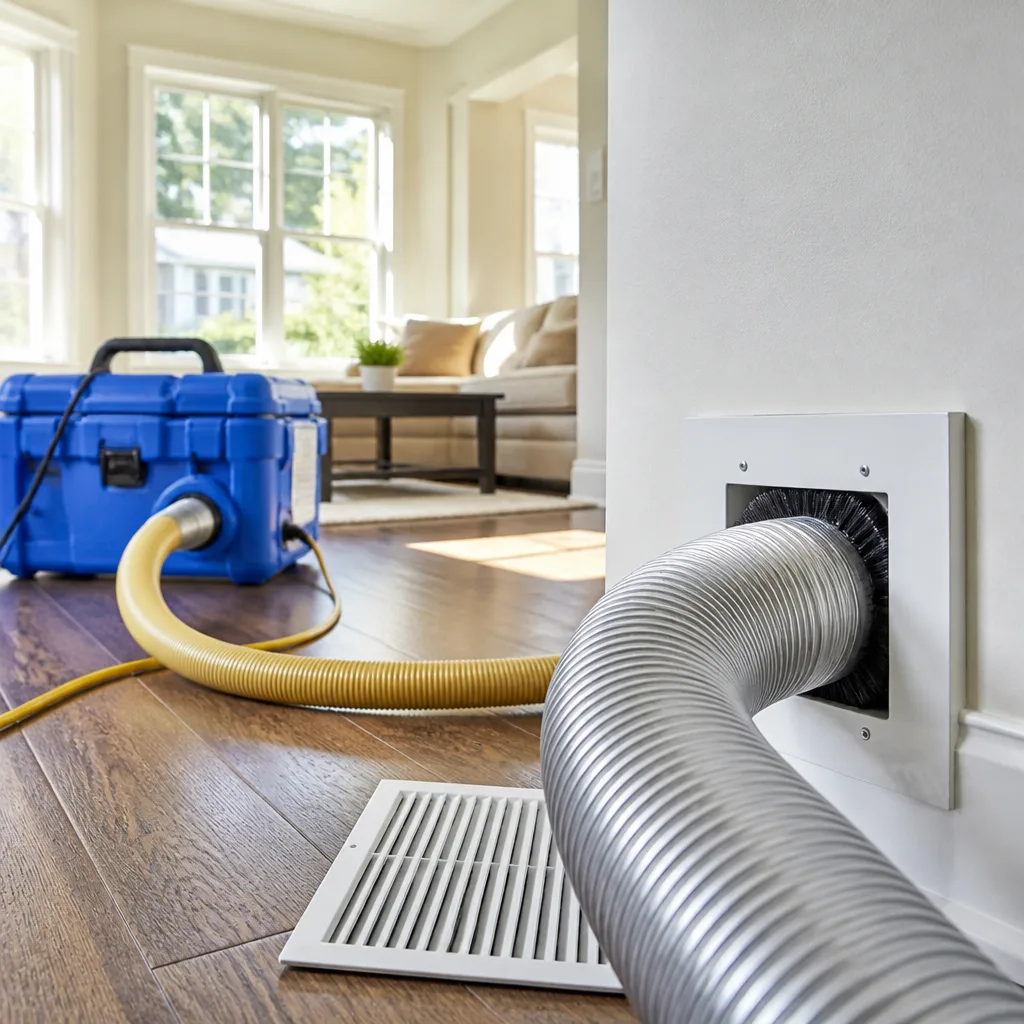 Whole-home duct cleaning
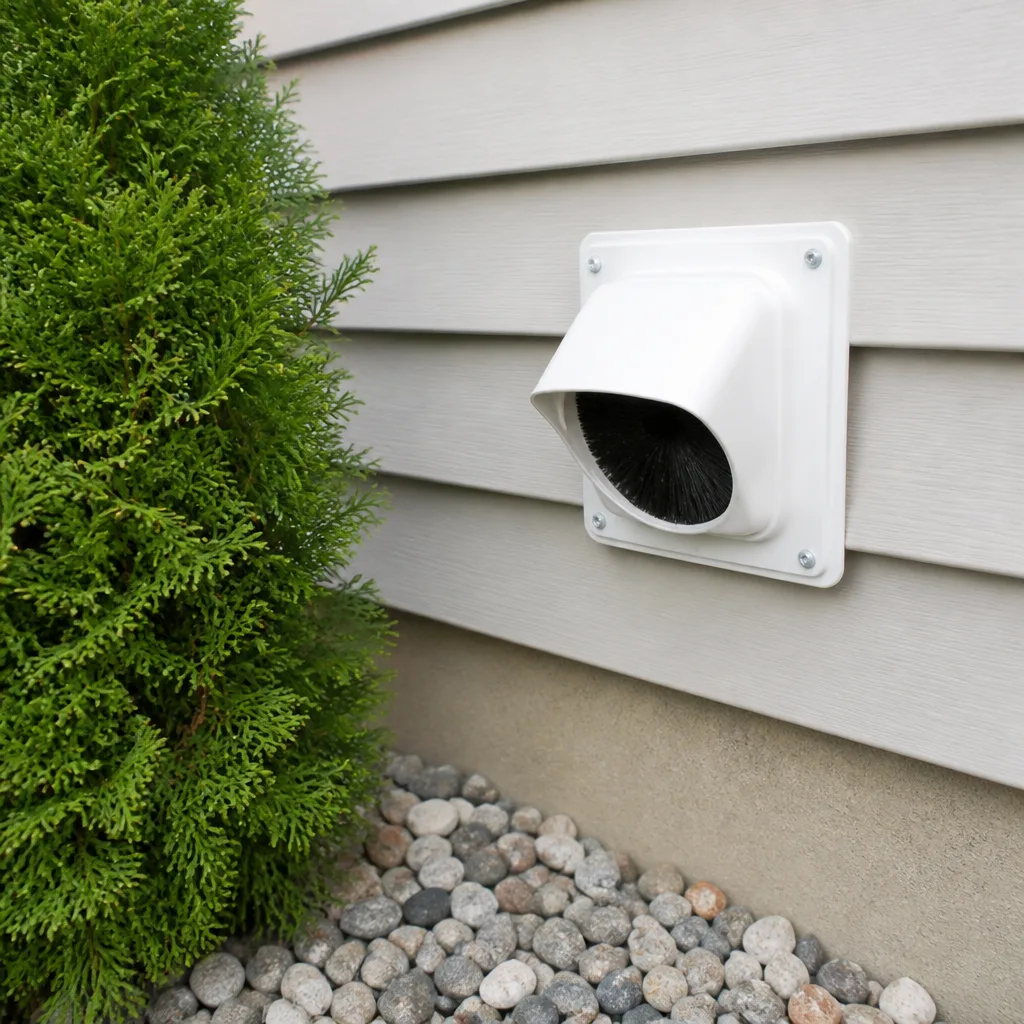 Dryer vent cleaning
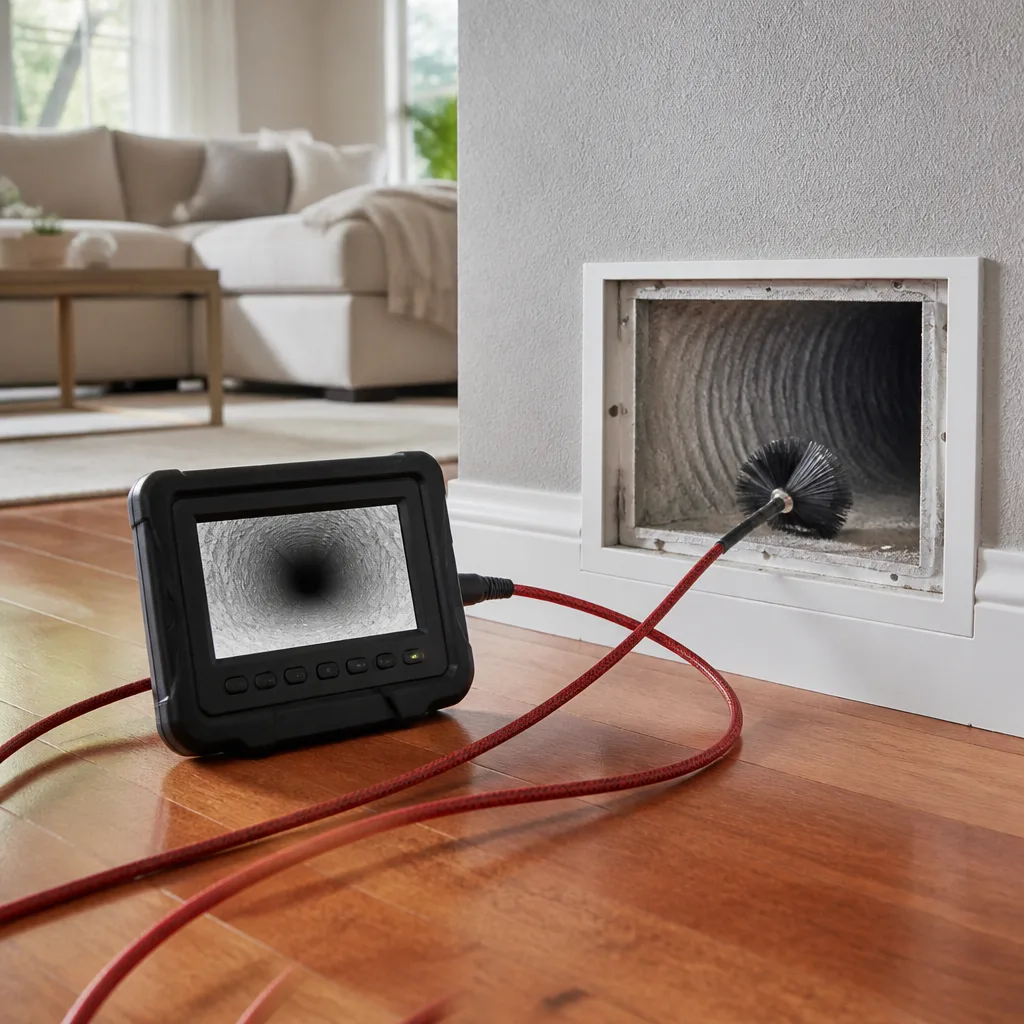 Camera inspection
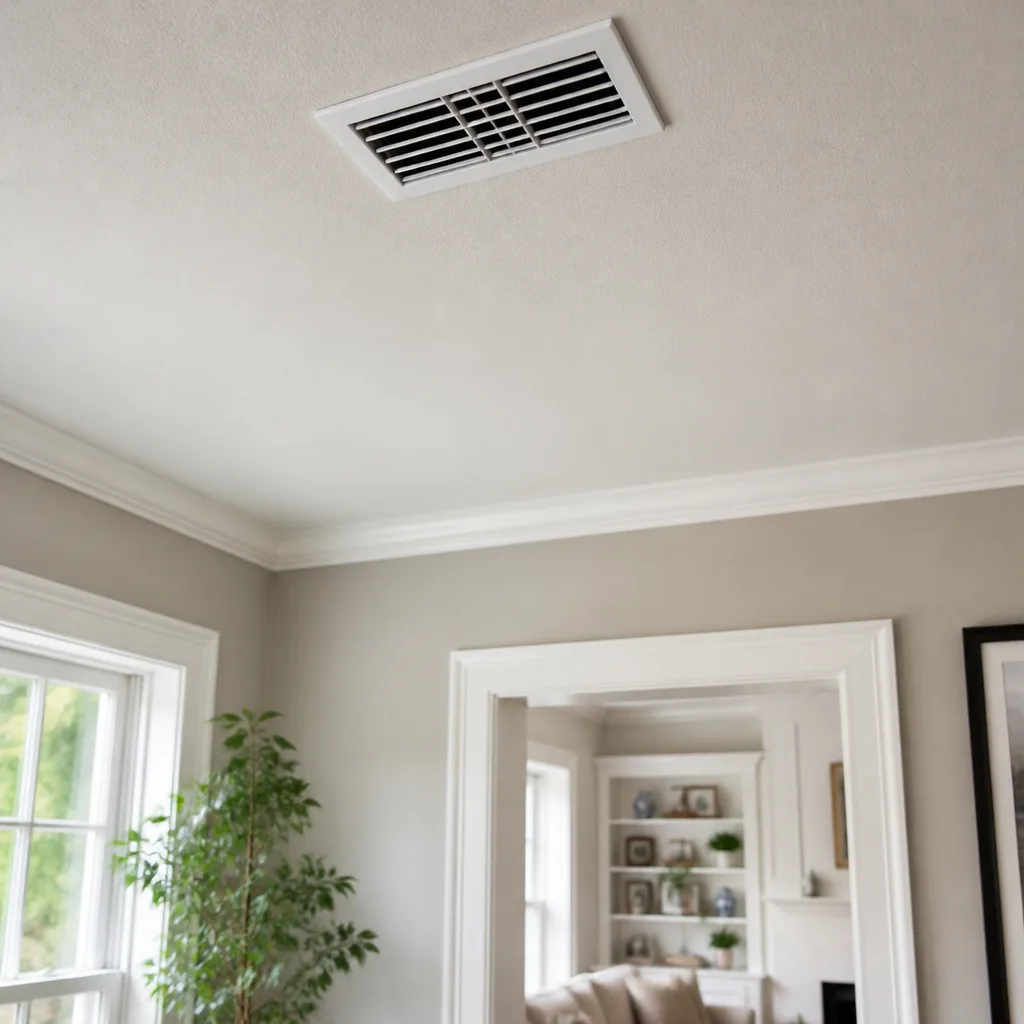 Sanitizing & deodorizing
Whole-system duct and dryer vent check with before-and-after photos - you see exactly what came out of your vents
That "$99 whole-house special" is a bait ad - the real number appears once they are in your hallway, or the "clean" is a shop-vac at the register. We photograph the inside of your ducts before and after instead.
Air Duct Cleaning Warning Signs: A Westminster Homeowner’s Reference Guide
Most guides to duct warning signs tell you to look for the obvious: a musty smell drifting from a register, visible dust puffing out of a grille, a bill that jumped last month. By the time those appear, the contamination inside your ductwork has usually been building for a year or more. The signs that matter arrive much earlier and much quieter – a filter that clogs faster than it used to, one room that never quite keeps up, a furnace that runs a little longer each winter. This guide covers those early-stage signals, the ones that give Westminster homeowners a 12-to-18 month head start, and explains what each one means before a small issue turns into remediation work.
Quick Answer
Early warning signs of duct contamination in a Westminster home include filters loading noticeably faster than their established replacement interval, one register delivering weaker airflow than the rest of the house, HVAC runtime creeping longer without a change in weather, and dust rings or staining at the air handler. These signals usually show up 12 to 18 months before you’d notice a smell or visible debris, which is why tracking them early saves you from a bigger job.
Styles & brands we work with
- Whole-home duct cleaning
- Dryer vent cleaning
- Camera inspection
- Sanitizing & deodorizing
Table of Contents
- Filter Loading Speed: The Earliest Indicator You Have
- Register Airflow Asymmetry: When One Room Underperforms
- HVAC Runtime Creep and What Your Utility Bill Is Telling You
- Visual Cues at the Air Handler
- Post-Event Triggers Specific to Westminster
- What Professional Cleaning Actually Involves
- Common Mistakes to Avoid
- When to Call a Professional
Filter Loading Speed: The Earliest Indicator You Have
The single most useful thing you can do to catch duct problems early is establish a filter baseline. Not a vague sense of “I change it a few times a year,” but an actual record: the date you install a new filter and the date it looks loaded enough to replace. Do that for two or three cycles and you have a personal benchmark for your house. Once you know your home normally loads a filter in, say, 90 days, a sudden drop to 60 days tells you something upstream is shedding more particulate than it used to.
A 30% shortening of your normal interval is the threshold worth paying attention to. That kind of acceleration doesn’t happen by accident. It usually means one of a few things is going on inside the duct run:
- Accumulated debris in the return ducts is breaking loose and being pulled toward the filter.
- A gap, disconnected joint, or poorly sealed plenum is drawing attic or crawlspace air into the system.
- Drywall dust or construction debris from a recent renovation is still working its way through the return side.
- A filter that’s too restrictive for the blower is forcing the system to pull air from unintended places.
In our experience across Westminster, the filter-speed signal is the one homeowners most often ignore because it feels minor. A filter is cheap, so a faster-clogging filter gets written off as “no big deal.” But it’s the cheapest diagnostic you’ll ever get. If your replacement interval suddenly shortens, that’s the system telling you something changed. Tracking this one number is how you catch duct problems a full heating or cooling season before they show up as air quality complaints.
Register Airflow Asymmetry: When One Room Underperforms
Every house has a room that runs a little warmer or cooler than the rest. That’s normal in Westminster’s mixed housing stock – a 1970s ranch with a long trunk line behaves differently than a newer build with a tight, well-designed layout. What matters is whether the imbalance is stable or whether it’s getting worse. A room that has always been a few degrees off is a balancing issue. A room that used to keep up and now doesn’t is a restriction signal.
Restriction shows up as reduced airflow at a specific register, and it has a handful of common causes. A damper that drifted closed. A crushed or kinked flex duct in the attic. A run that’s been partly blocked by debris or a collapsed inner liner. Or simply heavy accumulation on the duct walls of that branch, narrowing the effective airway. Here’s how to tell which one you’re dealing with:
- Compare airflow at the register with the system running. Hold a tissue or your hand at the grille and compare it to a register you know works well. A clearly weaker push points to restriction on that branch.
- Check the damper. If the branch has a manual damper, confirm it’s fully open before assuming anything else.
- Look for a physical kink or disconnect. If the duct runs through an accessible attic or basement, a crushed section is often visible.
- Check for a closed or blocked return. A return grille covered by furniture or a rug will starve the whole zone.
- If none of the above explains it, suspect internal debris. That’s when cleaning becomes the fix rather than balancing.
That last distinction matters. Cleaning solves a debris restriction. It does not solve a duct-design problem or a damper that’s set wrong. A good technician diagnoses the cause before quoting the work, which is why we inspect before we clean. In Westminster, where a lot of homes have ductwork running through unconditioned attic space, kinked flex runs are a common culprit for a single underperforming room.
HVAC Runtime Creep and What Your Utility Bill Is Telling You
Partially obstructed ducts make your system work harder to move the same amount of air. The blower runs longer to satisfy the thermostat. That extra runtime shows up on your utility bill, and it’s routinely misattributed to the equipment getting old. “The furnace is just aging” is the most common wrong conclusion we hear. Equipment does lose efficiency over time, but a runtime increase that appears over a single season, without any other change, usually points to airflow, not the furnace.
Runtime creep is subtle because you don’t notice it day to day. You notice it in patterns. Set a habit of comparing your energy use for the same month year over year, and adjust for weather. If a mild winter costs noticeably more than a colder one did the year before, the system is working harder than it should. Combine that with a filter that’s loading faster and a room that’s lost airflow, and you have three independent signals pointing to the same cause.
The trap here is that runtime creep gets “fixed” by replacing equipment that didn’t need replacing. A new furnace installed on top of dirty, restricted ducts will run into the same obstruction immediately. We’ve seen this pattern enough times to say it plainly: fix the airflow first, then judge the equipment. Duct air duct cleaning in Westminster often resolves a runtime problem that a homeowner was about to spend thousands on equipment to solve. Get the ducts evaluated before you sign a replacement quote.
Visual Cues at the Air Handler
The air handler is where the whole system’s condition tends to concentrate, and it’s the best place to look for early evidence. You don’t need to open panels or get near electrical components to make these observations – most can be made from outside the unit or from a quick look at accessible parts. Here’s what each cue signals about the duct system behind it:
- Dust rings on the blower wheel. If you can see the blower wheel through an inspection port or a service opening, dust building up in a ring around the blades means the return side is delivering particulate faster than the filter can catch it. That’s an upstream duct problem, not a blower problem.
- A dirty evaporator coil face. The coil is the cooling side, and a visible layer of dust or matted debris on its face means air isn’t moving cleanly across it. That reduces cooling capacity and runs up runtime.
- Return plenum staining. Dark staining at the return plenum or along the inside of the return drop is a sign of moisture carrying dust, or of long-term dust accumulation settling on surfaces. Staining that’s recent or spreading is worth investigating.
- Debris at the base of the unit. Small piles of dust, drywall crumbs, or insulation fibers collecting near the cabinet suggest the system is shedding material from the duct side.
A safety note: the air handler contains electrical components and, in many Westminster homes, sits next to a gas-fired furnace. Do not open electrical panels, remove blower assemblies, or reach into the cabinet to inspect or clean it yourself. A trained technician should do that work. What you can safely do is look, photograph, and report what you see when you call for an estimate. That information helps a company diagnose your system faster and quote you accurately.
Post-Event Triggers Specific to Westminster
Some warning signs are slow and cumulative, and some arrive on a specific date. Westminster sits along the Front Range, where certain events – a basement flood, a renovation, a smoke event – can push a duct system from “aging normally” to “needs cleaning now” in a single day. Knowing the triggers helps you act on the right timeline instead of waiting for the slow signs to catch up.
Basement flooding or water intrusion. Water in a basement or crawlspace doesn’t have to reach the ductwork to cause a problem. Moisture raises humidity in the space where return ducts and equipment often run. Damp ductwork is where microbial growth starts, and it’s why any water event deserves a duct inspection even if the visible damage seemed contained.
Renovation with drywall cutting. Drywall dust is fine, abrasive, and travels deep into the return system. If you’ve cut or sanded drywall anywhere in the house, some of that dust is now sitting inside your ducts. This is one of the most common causes of a filter that suddenly loads fast.
A wildfire smoke event lasting more than three days. Extended smoke pushes fine particulate into the home through every opening and gets drawn into the return system. The longer the smoke event, the more accumulates. If smoke lingered in your neighborhood for several days, a duct inspection is worth doing before the next heating season.
Roofing or exterior work. New shingles, siding work, or attic insulation replacement can all send debris into duct runs that pass through those spaces. Any major exterior project is a reason to check.
We also handle dryer vent cleaning in Westminster, and that’s a safety service rather than a maintenance one. A clogged dryer vent is a fire risk, not just an efficiency problem, and it deserves the same attention as your HVAC ducts.
What Professional Cleaning Actually Involves
Here’s the part most homeowners never hear explained: the difference between real duct cleaning and a cheap service is mostly about equipment and method. A discount crew typically shows up with a shop vacuum and an air hose and blows dust around. That’s not cleaning, and it can make things worse by pushing loose contamination into the living space. Professional cleaning uses three things working together: physical contact, HEPA containment, and negative air pressure.
- Contact cleaning. We use Rotobrush contact-cleaning systems that physically agitate the duct walls and extract the loosened debris. Air-only blasting leaves the sticky, settled material behind. Contact cleaning is what actually removes it.
- HEPA-contained removal. We deploy Nikro HEPA-rated vacuum systems, the same equipment class used in professional remediation, so captured particulate leaves your home instead of recirculating through it. Nothing is blown back into your living space during service.
- Negative-air containment. We incorporate Abatement Technologies negative-air and containment equipment. This is the industry standard for serious indoor air quality projects, not an add-on. It keeps the work area under pressure so debris stays contained.
- System evaluation. We inspect the furnace, coils, and filtration equipment while we’re there. We work with Honeywell and Aprilaire IAQ products, so the same technician who cleans your ducts can evaluate and recommend a filtration upgrade if your current setup isn’t keeping up with your home.
- Repair as needed. If we find a kinked run, a disconnected joint, or a damaged section, we handle the air duct cleaning-adjacent repair work rather than referring you out. One call, full system.
Ridgeway Air Duct Cleaning builds its work around the equipment because the equipment is what proves the job was done right. Our technicians have up to 8 years of experience, and they work with professional-grade tools on every job – inspection first, cleaning second, repair if needed. You get before-and-after photos of your own ducts, and a single flat price agreed before any work starts, so the final bill matches the written estimate.
Common Mistakes to Avoid
- Judging a duct company by the lowest quoted price. A cheap coupon quote often becomes a much larger invoice once the technician is on site. Ask for a flat price per system before the work begins, not a per-vent estimate that can balloon.
- Replacing the furnace before fixing airflow. A new furnace on top of restricted ducts runs into the same problem immediately. Diagnose the ducts first, then decide on equipment.
- Ignoring a single underperforming register. In Westminster, where many homes have flex ducts running through unconditioned attic space, a kinked run is easy to miss and easy to fix once you know it’s there. One weak register is a signal, not a quirk.
- Assuming a musty smell is the first sign. By the time you smell it, contamination has been building for a year or more. The filter-interval signal and the runtime signal come much earlier.
- Not documenting your filter baseline. Without a record of your normal replacement interval, you can’t spot a sudden 30% acceleration. Write the dates down.
- Treating a flood or renovation as a cleaning problem later. Water intrusion and drywall dust are triggers for immediate inspection, not next spring. Waiting lets contamination settle and grow.
- Skipping the dryer vent because “it’s just for the dryer.” A clogged dryer vent is a fire risk. It belongs on the same safety checklist as the furnace, not on a separate to-do list you never get to.
When to Call a Professional
Call for an evaluation if you’ve noticed any of the following: a filter replacement interval that shortened by roughly a third or more; a register that’s consistently weaker than the others despite an open damper; a utility bill that’s climbing faster than the weather explains; visible dust rings or staining at the air handler; or a recent trigger event – basement flood, drywall renovation, multi-day wildfire smoke, or a major exterior project. Any one of these is a reason to have the system inspected. Two or more is a reason to act now, before the slow signs catch up to you.
Ridgeway Air Duct Cleaning offers free estimates in Westminster. Call (844) 643-7197, and we’ll assess the system, explain what we find, and give you a flat price per system before any work starts. We answer 24/7, with fast dispatch from 7am to 7pm, Sunday through Friday.
See the difference
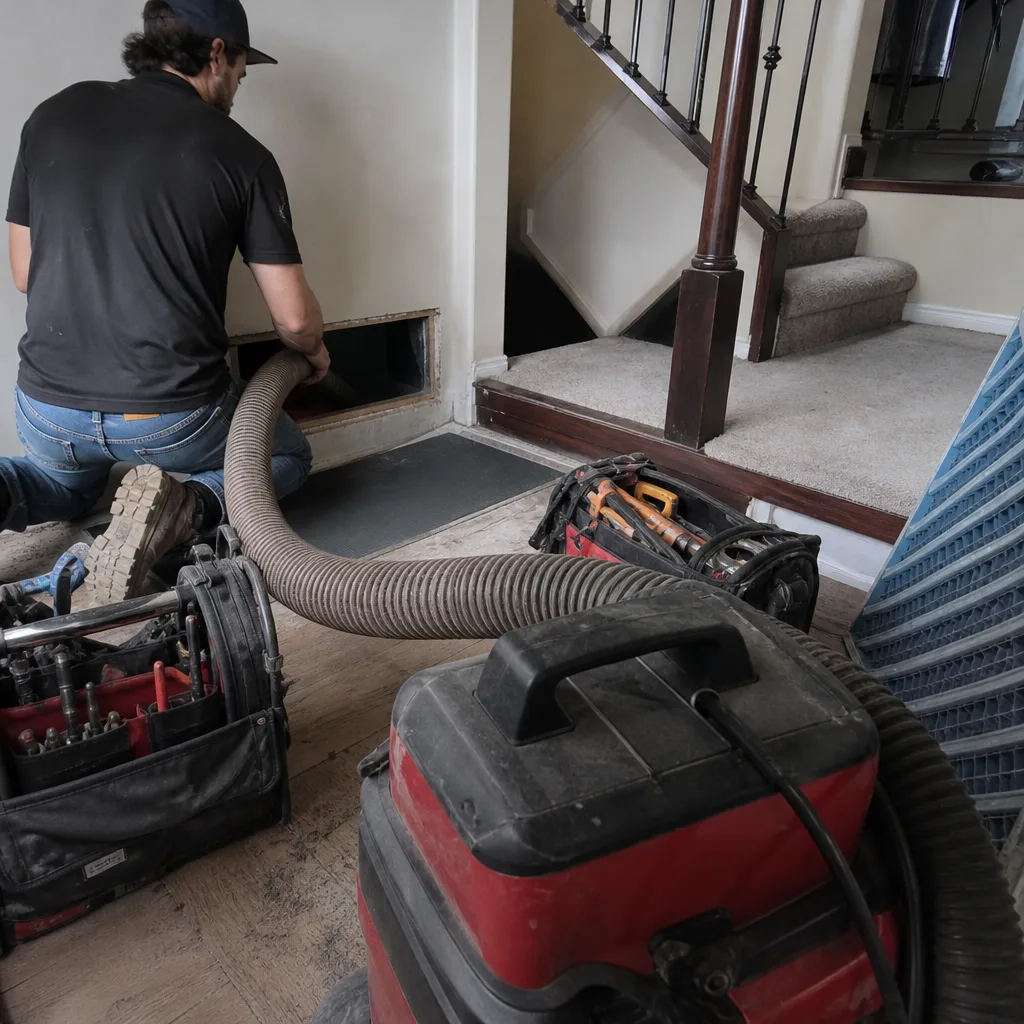 Before
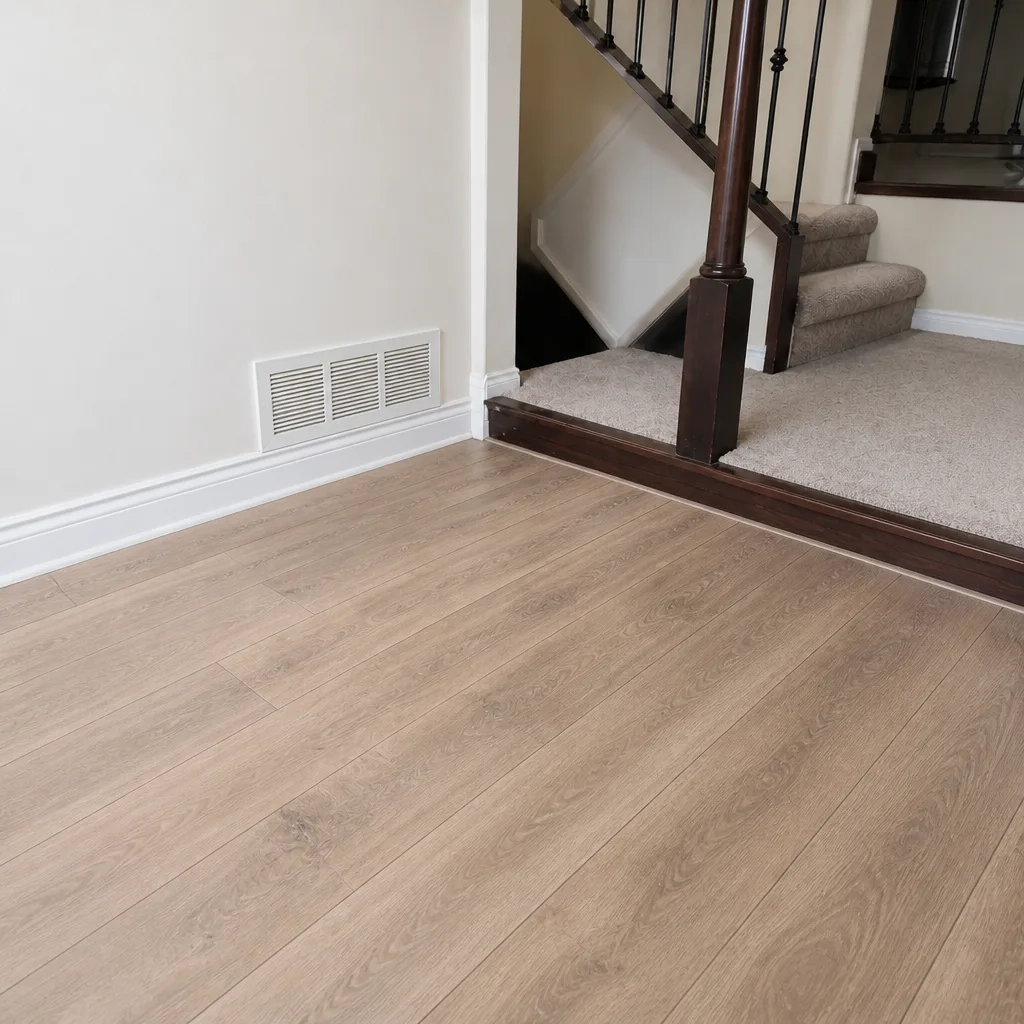 After
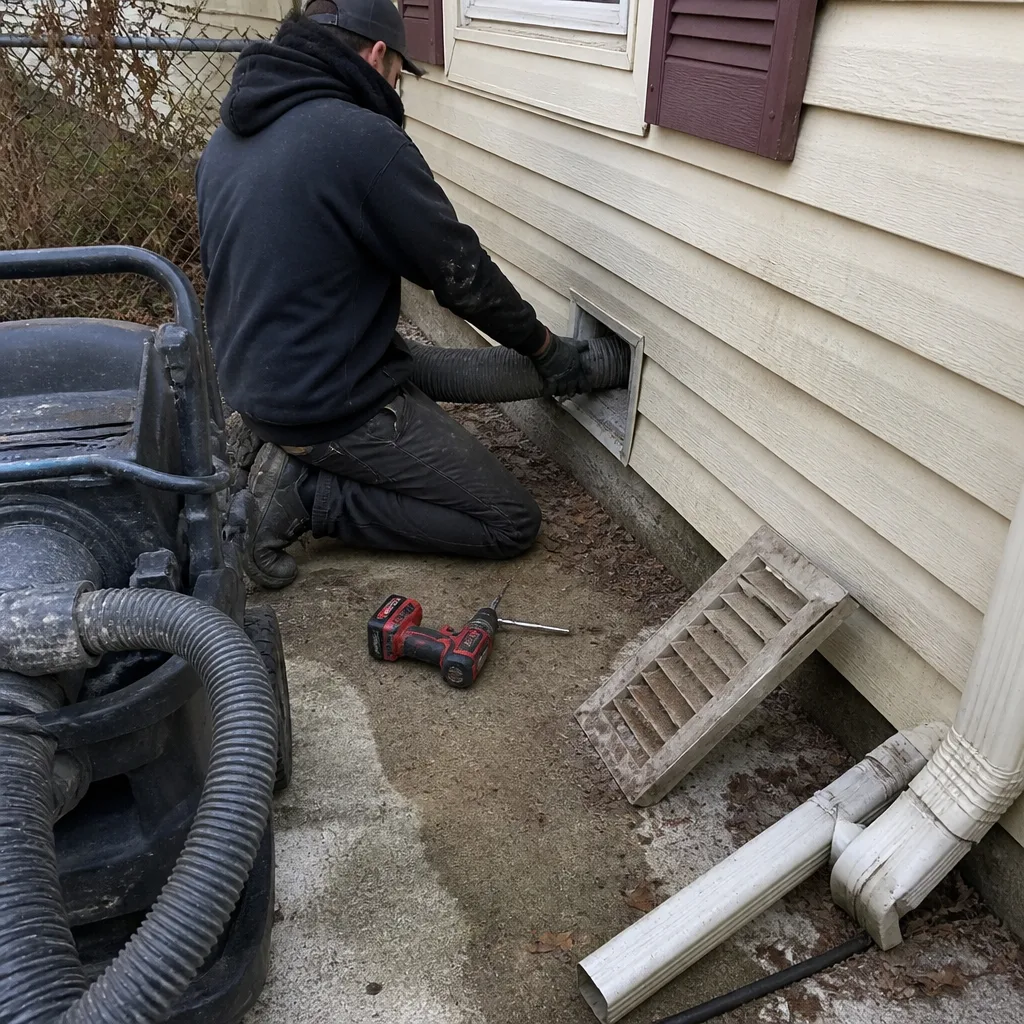 Before
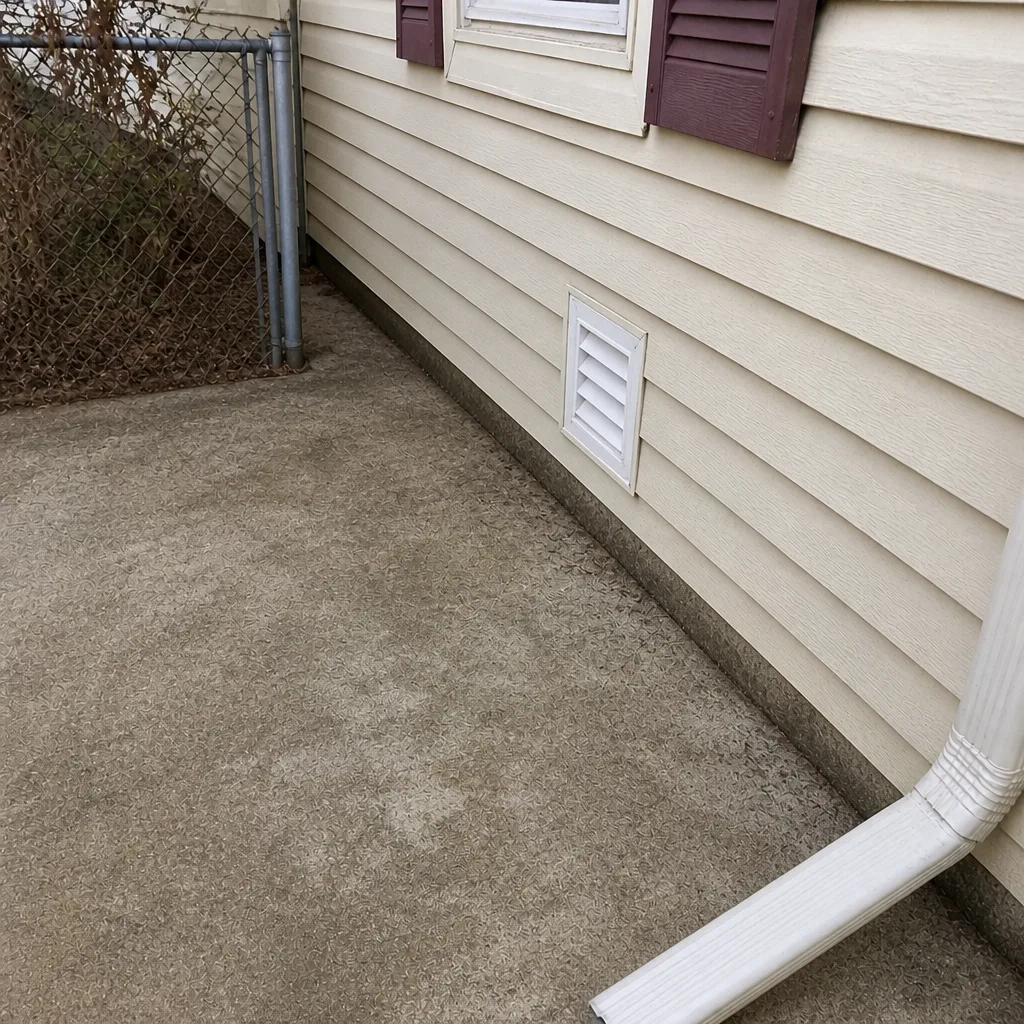 After
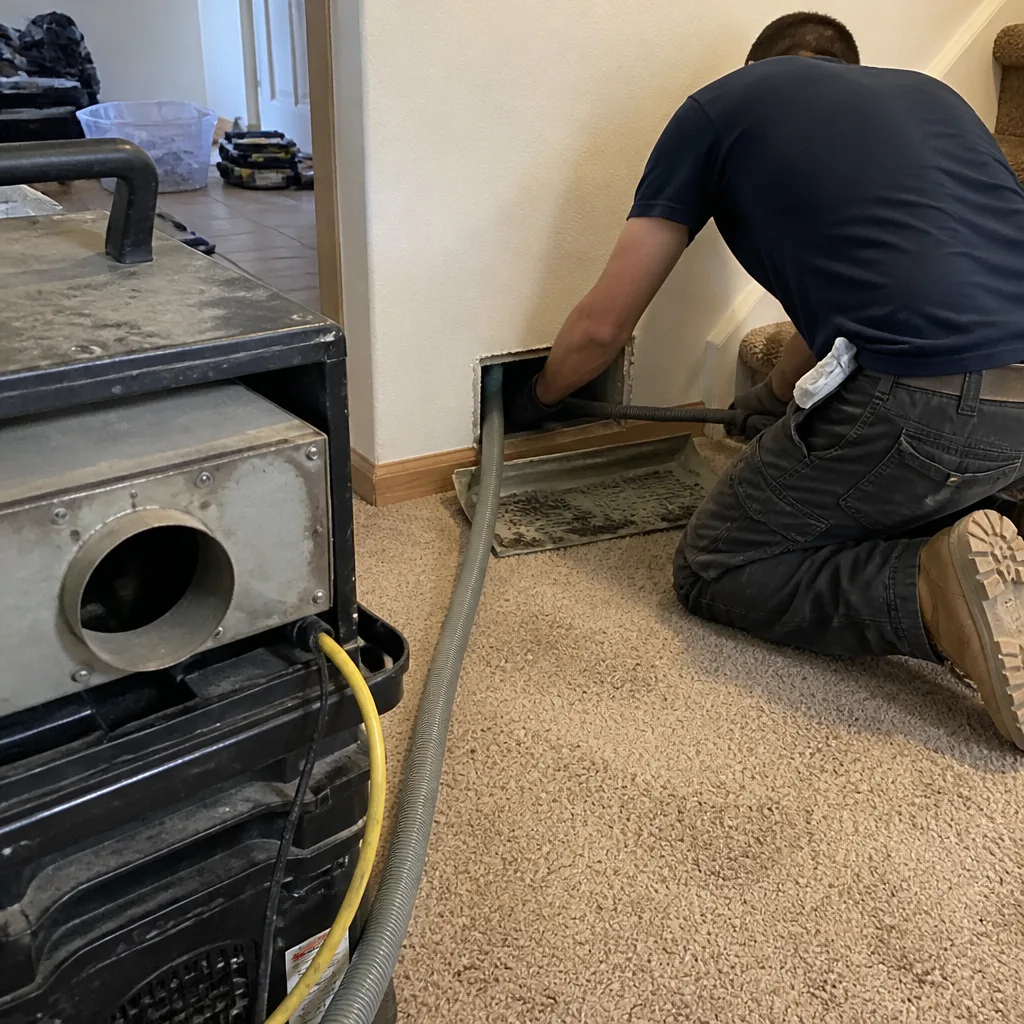 Before
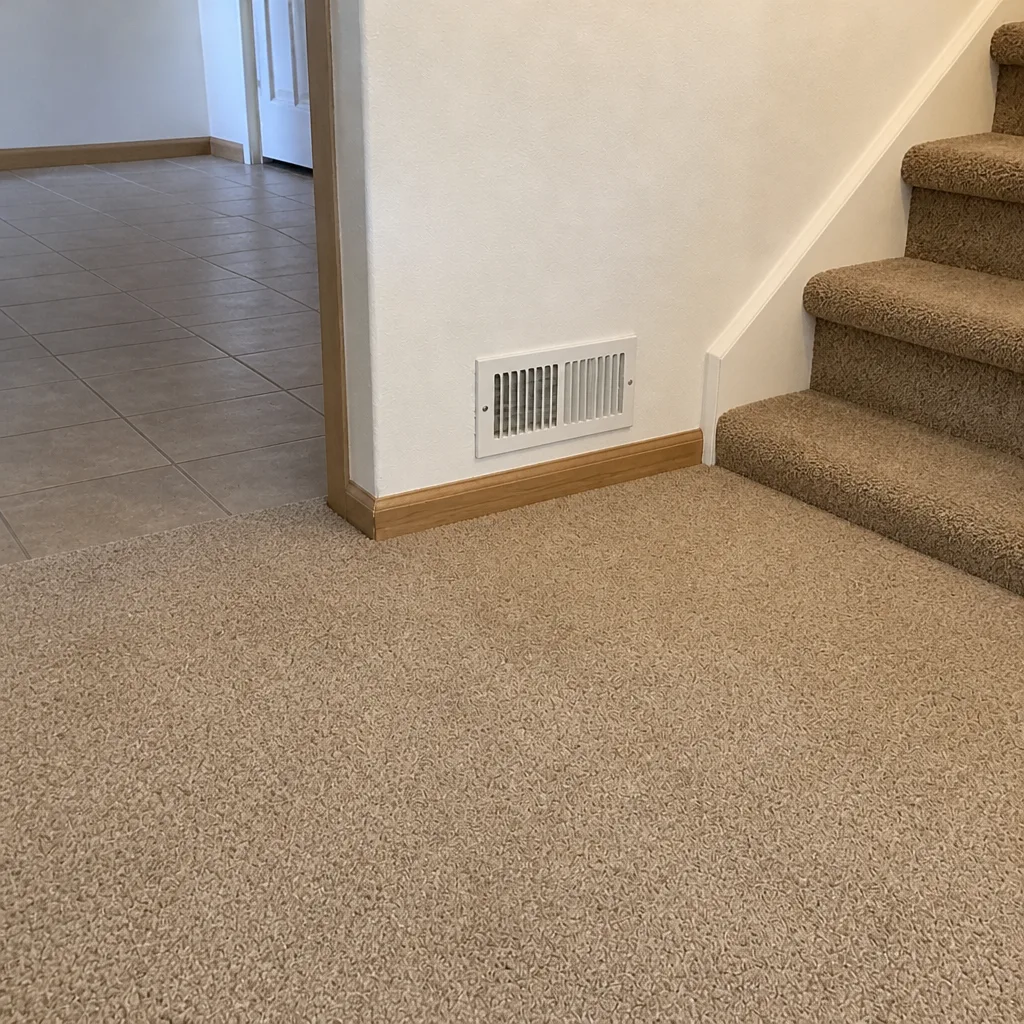 After
Frequently Asked Questions
Air duct cleaning in Westminster is typically priced per system rather than per vent, and the honest answer is that the final price depends on your home’s size, layout, and condition of the ductwork. That’s why we give a flat price per system agreed in writing before work begins. Call (844) 643-7197 for an exact quote – estimates are free.
Cheap quotes usually reflect a different method: an air-only blast with a shop vacuum rather than contact cleaning with HEPA containment and negative air pressure. That approach leaves settled contaminants in the ducts and can push dust into your living space. When you compare quotes, ask what equipment the company uses. Call (844) 643-7197 to compare ours – estimates are free.
You ask for proof before and after. We provide before-and-after photos of your own ducts so you can see the difference rather than take our word for it. You also get a written flat price and a pre-work inspection that tells you what was found and what was done. Call (844) 643-7197 to schedule – estimates are free.
For many homes, every few years is reasonable, but it’s not a fixed clock. Homes with pets, recent renovations, water intrusion, or extended wildfire smoke exposure often need it sooner. The early warning signs in this guide are a better trigger than a calendar. Call (844) 643-7197 if you’ve seen any of them – estimates are free.
Yes. Restricted or obstructed ducts force the blower to run longer to satisfy the thermostat, and that added runtime shows up on your utility bill. Homeowners often blame aging equipment when the real cause is airflow. Call (844) 643-7197 to have the system inspected before you consider replacing equipment – estimates are free.
Have the duct system inspected, not just the visible damage. Water raises humidity where return ducts often run, which invites microbial growth, and drywall dust travels deep into the return side. Either event is a reason to act promptly rather than wait for a smell. Call (844) 643-7197 – estimates are free.
The Bottom Line
The warning signs that actually help you are the early ones: a filter loading faster than its established baseline, one register that’s fallen behind, runtime creep on your utility bill, and dust rings or staining at the air handler. Those show up 12 to 18 months before the musty smell or visible debris that most guides tell you to watch for. Weather events – floods, renovations, multi-day wildfire smoke – can compress that timeline to a single day. Track your baseline, act on the early signals, and choose a company that shows you its equipment and proves the work with before-and-after photos.
Ready to have your system inspected? Call Ridgeway Air Duct Cleaning at (844) 643-7197 for a free estimate. We answer 24/7, with fast dispatch from 7am to 7pm, Sunday through Friday. Visit Ridgeway Air Duct Cleaning to learn more about how we work.
Written by the team at Ridgeway Air Duct Cleaning.