
Last updated November 16, 2026
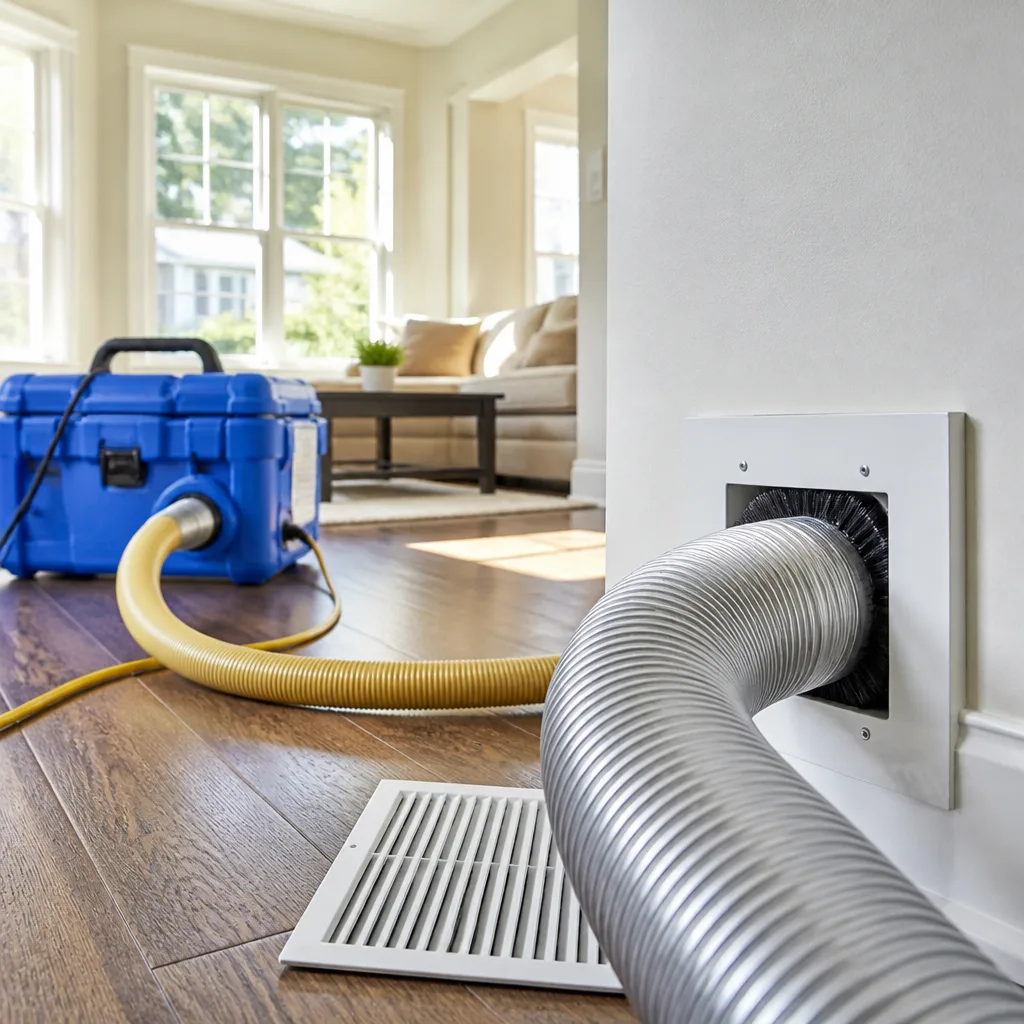 Whole-home duct cleaning
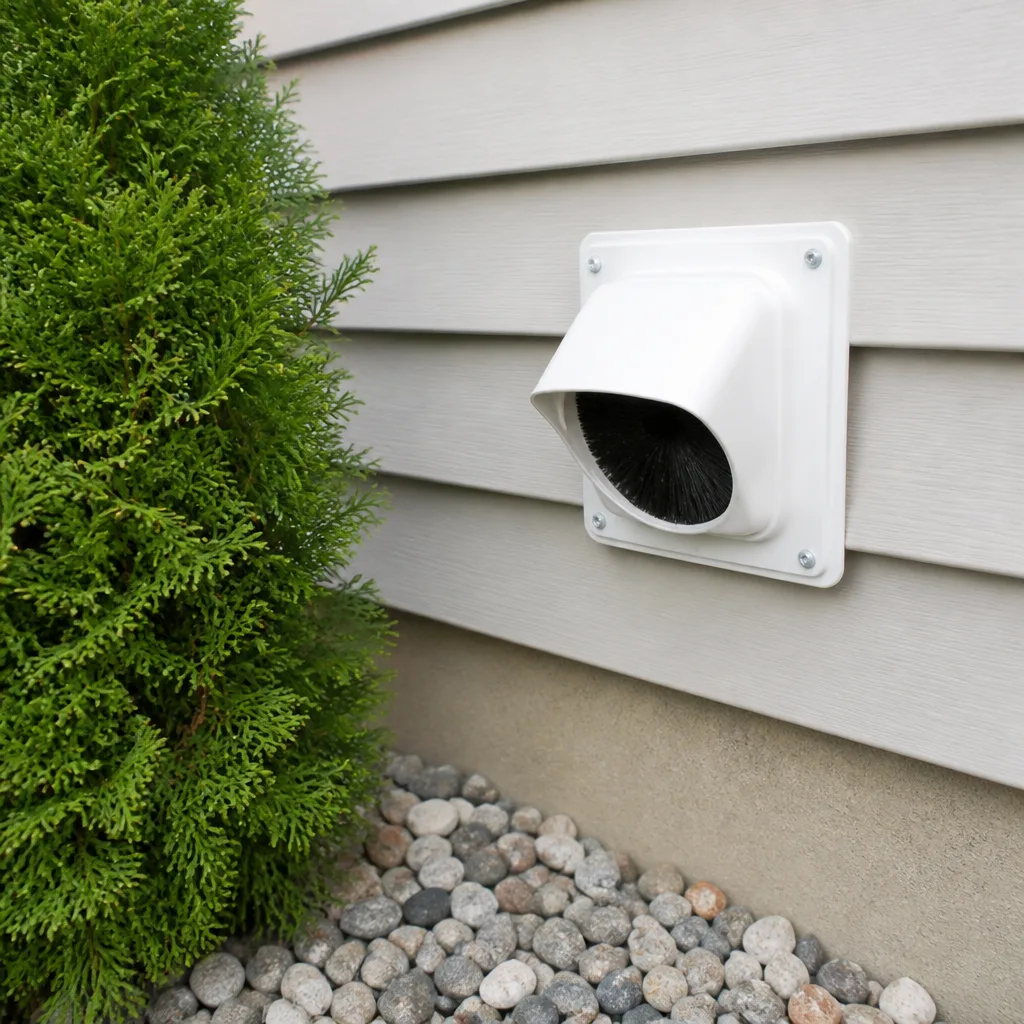 Dryer vent cleaning
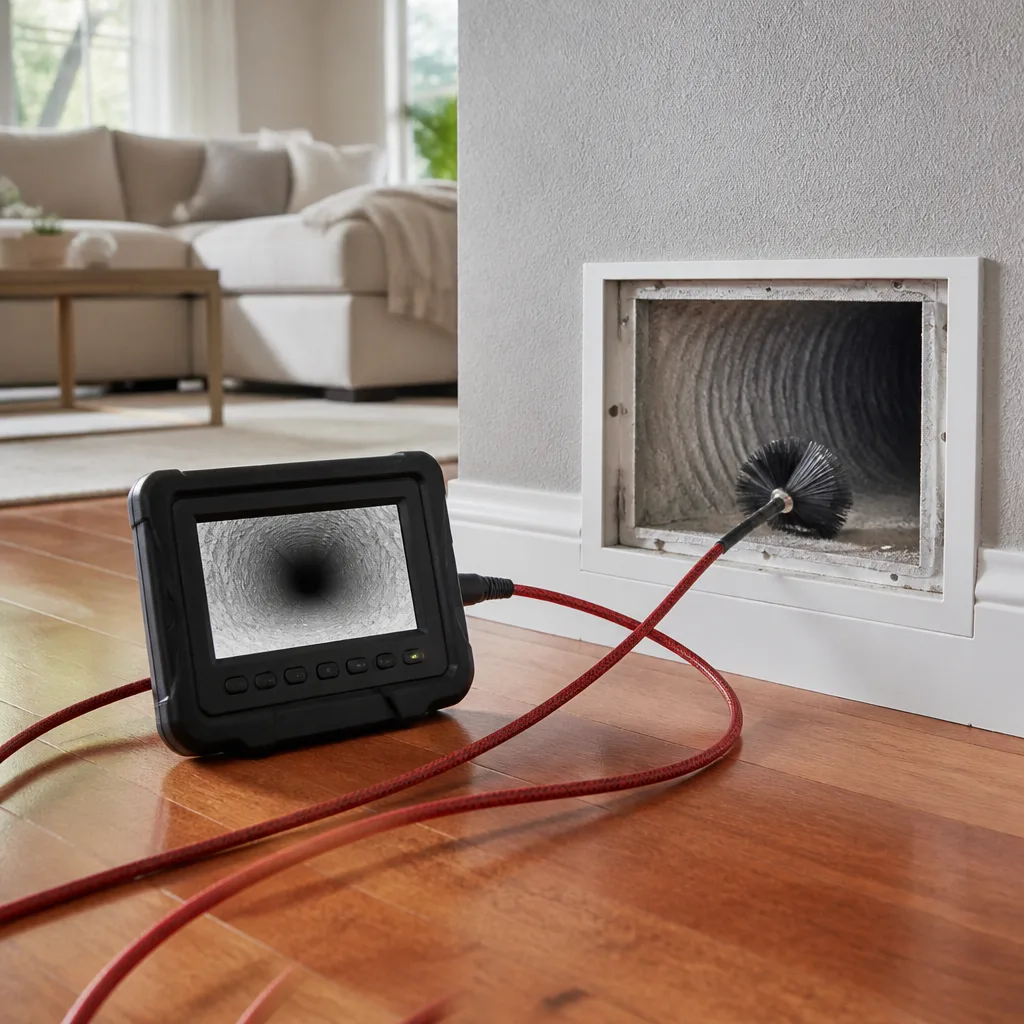 Camera inspection
 Sanitizing & deodorizing
Whole-system duct and dryer vent check with before-and-after photos - you see exactly what came out of your vents
That "$99 whole-house special" is a bait ad - the real number appears once they are in your hallway, or the "clean" is a shop-vac at the register. We photograph the inside of your ducts before and after instead.
Air Duct Cleaning Cost Breakdown: The Westminster Homeowner’s Reference for 2026
A $299 whole-house duct cleaning and a $699 one usually aren’t the same service priced differently. They’re often physically different processes using different equipment, different containment methods, and different amounts of labor per foot of duct. Most Westminster homeowners comparing three quotes are handed line items with no framework for judging what the price gap actually represents. That’s the gap this guide closes. We’ll walk through the real cost drivers, explain why two-story homes with basement returns price differently than ranches, cover what “per vent” pricing really means on the job site, and give you honest 2026 pricing ranges to compare against. By the end you’ll know what you’re buying instead of just what you’re paying.
Quick Answer
Air duct cleaning in Westminster typically runs $375 to $725 for a standard single-family home in 2026, with most homes landing between $425 and $600. Two-story homes with basement returns and more than one air handler push toward $600 to $900. The wide range is driven by equipment class, total linear footage of duct, access complexity, and whether the quote covers the whole system or just the visible vents. A written, whole-system estimate sets the final price before any work starts.
Styles & brands we work with
- Whole-home duct cleaning
- Dryer vent cleaning
- Camera inspection
- Sanitizing & deodorizing
Table of Contents
- What Actually Drives the Cost of an Air Duct Cleaning
- Westminster-Specific Variables That Change Your Quote
- Per-Vent Pricing vs. Whole-System Pricing: What It Really Means
- 2026 Westminster Pricing Ranges by Home Size and Duct Type
- Legitimate Add-Ons vs. Upsells That Inflate Cost
- Where Equipment Investment Shows Up in the Cost Structure
- When Cleaning Reveals a Repair Problem
- What a Proper Duct Cleaning Visit Looks Like
What Actually Drives the Cost of an Air Duct Cleaning?
The cost of an air duct cleaning is set by four measurable variables: the equipment brought to the job, the labor required per linear foot of duct, the cost of HEPA filtration and debris disposal, and the access complexity of the duct system itself. A quote is only comparable to another quote when all four are accounted for. When one isn’t, the missing piece is where corners get cut.
Here’s how each component translates to what you pay.
- Equipment. A commercial rotary brush system like a Rotobrush contact-cleaning unit runs many times the cost of a consumer-grade shop vacuum setup, and that difference is baked into the price. A crew using contact cleaning physically agitates duct walls and extracts debris; a crew blasting compressed air only loosens what’s already loose. You are paying for the tool as much as the time.
- Labor per linear foot. A ranch with 120 feet of duct and six supply registers takes far less time than a two-story with 250 feet of duct, two zones, and a basement return trunk. Labor is the largest single component of a fair quote, and it’s why square footage alone is a poor estimating tool.
- HEPA filtration and disposal. High-capacity HEPA-rated vacuums like Nikro units capture the debris pulled from the ducts so it doesn’t recirculate into your living space during cleaning. That equipment costs money to run and maintain, and filters and captured debris need proper disposal. It is not free, but it’s what separates cleaning from spreading dust around.
- Access complexity. A duct run behind a finished basement ceiling or a trunk line sealed under 1970s paneling needs more time and care than exposed flex duct in an open utility space. Access adds labor, not padding.
If a quote doesn’t reference equipment, linear footage, or containment method, you don’t have a quote yet. You have a number. Ask the estimator to walk through those four items before comparing it to anything else.
What Westminster-Specific Variables Change Your Quote?
Westminster has a housing mix that shifts duct cleaning pricing noticeably. The city grew fast through the 1960s and 1970s, and much of that housing stock sits in original or lightly updated condition. That matters more than the metro market. Here’s what we see most often.
Ranch vs. two-story with basement returns
Westminster’s mid-century ranches in neighborhoods like Historic Westminster and Sunset Ridge typically have short, single-zone duct runs. Cleaning those is straightforward and usually prices at the lower end. Two-story homes built later, especially when a basement finishing project added a return trunk, can double the linear footage. The basement return is often the piece that catches homeowners off guard, because it wasn’t in the original system plans and it adds time to the job.
Flex duct vs. hard pipe
Original hard pipe ductwork – the rigid sheet metal found in Westminster homes built before roughly 1980 – cleans well with rotary contact tools and holds shape during the process. Flex duct, which became common in later remodels and additions, has internal ridges that trap debris and requires more care. Flex also collapses easily if a crew doesn’t know how to work it, so a proper quote includes the time to do it right.
Homes with multiple air handlers
A single air handler is one cleaning. Two handlers, common in larger Westminster homes that added a second system or have separate zones, doubles the work. Some quotes you receive won’t account for the second system until the technician arrives, and that’s where surprise line items come from. Ask upfront whether the estimate covers every air handler.
Dry, dusty summers and heating season
Westminster’s climate is dry through the summer and runs a long heating season. That cycle pulls more dust into return ducts than a humid climate would, and it also means the ducts you’re cleaning have been working hard for months. It’s a reason regular cleaning matters here, not a reason to overpay for it.
Per-Vent Pricing vs. Whole-System Pricing: What It Really Means
A per-vent price quotes each register as a line item, which makes the number sound simple. In practice, per-vent pricing usually means the crew cleans the supply runs it can reach from the floor registers and skips the trunk line, the return ducts, and the plenum. Those are where the majority of accumulated debris sits. Whole-system pricing covers every component – supply runs, return runs, trunk lines, the air handler cabinet, and the plenum – and it prices based on total linear footage rather than counting openings.
The reason this distinction matters for Westminster homeowners is simple: you can’t evaluate two quotes side by side if one is measuring vents and the other is measuring duct. A $45-per-vent quote on 14 vents sounds like $630 of work. A whole-system quote at $550 might cost less and cover twice the duct. The per-vent price also tends to escalate once the technician discovers the return trunk wasn’t included, and that’s exactly the bait-and-switch pattern that gave the industry the reputation it has.
Whole-system pricing is the more honest structure. It puts the conversation on linear footage and equipment, which are real cost drivers, and it lets the homeowner compare quotes with the same tape measure. Ask every estimator: “How many linear feet of duct does this cover, and does it include the returns?” If the answer isn’t clear, the quote isn’t clear.
One flat price per system, agreed before work starts, with before-and-after photos of your own ducts at the end, is the standard to demand. For a broader look at how whole-system cleaning compares to partial service, see our air duct cleaning page.
2026 Westminster Pricing Ranges by Home Size and Duct Type
Below are typical estimated ranges for whole-system air duct cleaning in Westminster in 2026. These are ranges, not quotes. Every home has variables a walkthrough catches, and the written estimate is what sets your final price.
| Home Type | Typical Duct Footage | Estimated Range |
|---|---|---|
| Condo or townhome, single zone, hard pipe | 60-100 linear feet | $325 – $475 |
| Ranch, single air handler, hard pipe | 100-160 linear feet | $375 – $550 |
| Ranch with finished basement and added returns | 150-220 linear feet | $500 – $700 |
| Two-story, single zone, mixed hard pipe and flex | 200-260 linear feet | $575 – $800 |
| Two-story with basement returns and flex duct | 240-320 linear feet | $650 – $900 |
| Home with two air handlers | Varies, roughly doubles | $850 – $1,400 |
Where the range lands within any bracket depends on three things: how many linear feet are actually present, whether flex duct needs extra care, and access. A ranch with the trunk line exposed in an open utility room prices at the bottom of its bracket. The same ranch with a finished basement ceiling that has to be carefully protected prices at the top.
What you don’t see on this table: vent count. That’s deliberate. A per-vent quote hides the real cost drivers. A whole-system estimate exposes them, and it lets you decide whether the extra $150 between two quotes is buying you a better process or just a higher margin. Ask the estimator to break their number down against these brackets. A reputable one will.
Legitimate Add-Ons vs. Upsells That Inflate Cost
Some add-ons genuinely improve the outcome. Others are revenue generators that sound technical but don’t change what’s in your ducts. Knowing the difference is the fastest way to keep a fair quote from becoming a large one.
Legitimate add-ons we recommend when they fit:
- Dryer vent cleaning. If your dryer vent hasn’t been cleaned in a while, adding it to the duct visit makes sense. Dryer vent cleaning reduces fire risk and improves appliance efficiency – it’s a safety service, not an upsell. It’s also a separate duct system, which is why it’s priced separately and not folded into the duct quote.
- Coil cleaning. The evaporator coil sits at the air handler and accumulates dust pulled in with return air. Cleaning it while the system is open makes sense when the coil is visibly loaded, because you’re already there.
- Filtration upgrade evaluation. If your return filter setup is a basic 1-inch slot, an installed media cabinet from a manufacturer like Honeywell or Aprilaire can make a real difference to how much dust reaches your ducts in the first place. That’s a legitimate conversation to have during the visit.
Upsells that don’t earn their cost:
- Fogger or mist treatments added to a routine cleaning. If the ducts are cleaned properly, most fogger treatments add cost without a proportional benefit. They’re occasionally appropriate in specific remediation scenarios, not as a default addition to every job.
- Per-vent ozone or “sanitizing” packages sold at the door after the quote was given. These are the classic escalation. A written estimate before work starts, with the price agreed per system, protects you from this.
Our view: the cleaning itself is where the value lives. Every dollar spent on contact cleaning and proper containment is a dollar that changes what actually comes out of your ducts. Money spent on foggers usually doesn’t.
Where Equipment Investment Shows Up in the Cost Structure
The gap between a $300 quote and a $650 quote is often a gap in what equipment shows up at your door. Understanding what each class of tool can and can’t do makes an honest comparison possible. This is where the numbers get interesting.
A consumer shop vac has a few horsepower of suction, a small filter, and no way to agitate a duct wall. A commercial contact-cleaning system like a Rotobrush unit uses a rotating brush head on a flexible shaft to physically scrub the interior surface of the duct while a high-capacity vacuum pulls debris into a contained filter. Those are different processes, not the same process at different intensities.
Holding aside, the HEPA side matters just as much. A Nikro HEPA-rated vacuum captures the fines that get pulled loose so they don’t end up settling onto your counters and furniture during the job. Without that class of equipment, “cleaning” can redistribute what’s in the ducts into your living space. Homeowners who’ve had that experience are usually the ones who call us next time.
Negative air pressure and containment – the standard on commercial remediation projects, using equipment like Abatement Technologies units – keep the work zone separated from the rest of the house. On heavy jobs in older Westminster homes, that containment is what makes the difference between cleaning and a dust event.
None of that equipment is cheap to buy, run, or maintain. That’s why it shows up in a fair quote. When a quote comes in far below the ranges on the table above, the question to ask is which of those tools the crew is leaving in the truck. For a look at how our own equipment sequence works, the team at Ridgeway Air Duct Cleaning has a full breakdown on the main site.
When Cleaning Reveals a Repair Problem
Air duct cleaning occasionally turns up a repair that wasn’t obvious before the ducts were opened up. That’s more common in older Westminster housing stock than homeowners expect, and how a company handles it is a good test of whether you’re dealing with a single-source provider or a crew that refers everything out.
Typical problems that show up during cleaning:
- Disconnected flex duct at a joint, common at takeoffs behind finished walls
- Crushed or pinched flex duct from a past remodel or addition
- Loose or separated trunk line seams on older hard pipe
- Torn insulation on the inside of duct runs, which can feed fibers into the airstream
- Registers or boots that were never properly sealed at installation
None of these are emergencies. All of them affect air quality and system efficiency if they’re left alone. Our position is straightforward: if the ducts get cleaned and a joint is disconnected, the cleaning isn’t complete until the repair is handled. Ridgeway offers air duct repair alongside cleaning so the same team handles both, and you don’t spend weeks chasing a second contractor. That repairs the whole system instead of just the visible parts.
For homeowners facing a bigger duct problem, duct repair pricing is quoted separately from cleaning and set by a written estimate before work begins.
What a Proper Duct Cleaning Visit Looks Like
A properly run duct cleaning has a clear sequence. Knowing it helps you spot a shortcut crew in ten minutes and gives you something to hold an estimate against.
- Walkthrough and system check. A technician inspects the duct layout, confirms the number of air handlers, notes flex vs. hard pipe, and identifies any access issues. This is where a written estimate is confirmed or adjusted before work starts.
- Containment setup. Negative-air equipment and drop cloths protect floors and finishes around the work zone. On heavy jobs this is where the work zone gets separated from the living space.
- Register and vent removal. Registers are pulled, cleaned separately, and set aside. Return grilles get the same treatment.
- Contact cleaning of supply and return runs. The rotary brush works each duct run, breaking loose what’s bonded to the walls while the HEPA vacuum captures it. Trunk lines and the plenum are cleaned last.
- Air handler cabinet cleaning. The blower compartment and coil area are cleaned or inspected, and any restrictions noted.
- Reassembly and seal check. Registers go back, joints are checked for separation, and any leaks get flagged.
- Photo documentation. Before-and-after photos of your own ducts are the proof you can actually see. If the crew can’t produce them, the work wasn’t done to the standard you paid for.
For Westminster homes with a dryer vent on the same visit, the dryer vent gets its own sequence at the end: full-length brush and vacuum from the dryer to the exterior hood, with the vent cap checked for flap function. That’s the other half of dryer vent cleaning done properly. If you’re on the west side of the metro and want to understand how pricing shifts by city, our Westminster page covers the local service area in detail.
Common Mistakes to Avoid
- Comparing per-vent quotes to whole-system quotes. They measure different things, and the cheaper-looking one often covers less duct. Convert every quote to linear footage before you compare.
- Assuming a coupon price includes the return ducts. Return trunks and plenums are where most debris sits, and teaser pricing often excludes them. Ask specifically whether returns are included.
- Ignoring a second air handler. Westminster homes that added a second system or finished a basement often have two handlers. Confirm the quote covers both before the technician arrives, or watch the price change mid-job.
- Buying fogger treatments as a routine add-on. Foggers on a standard cleaning usually add cost without proportional benefit. Put the money toward contact cleaning and containment instead.
- Not asking for before-and-after photos. The single most useful question you can ask before hiring anyone is whether they document the work. Ducts are out of sight, and photos are the only way to verify the job was done.
- Choosing a crew that blasts air only. Air-only cleaning loosens what’s already loose and moves it around without agitating the walls. A contact-cleaning system with a rotary brush is what actually removes bonded debris.
- Skipping the post-cleaning check on disconnected joints. In older Westminster housing stock, a disconnected joint behind a wall is easy to miss and easy to fix during the same visit. If nobody checks, nobody fixes.
See the difference
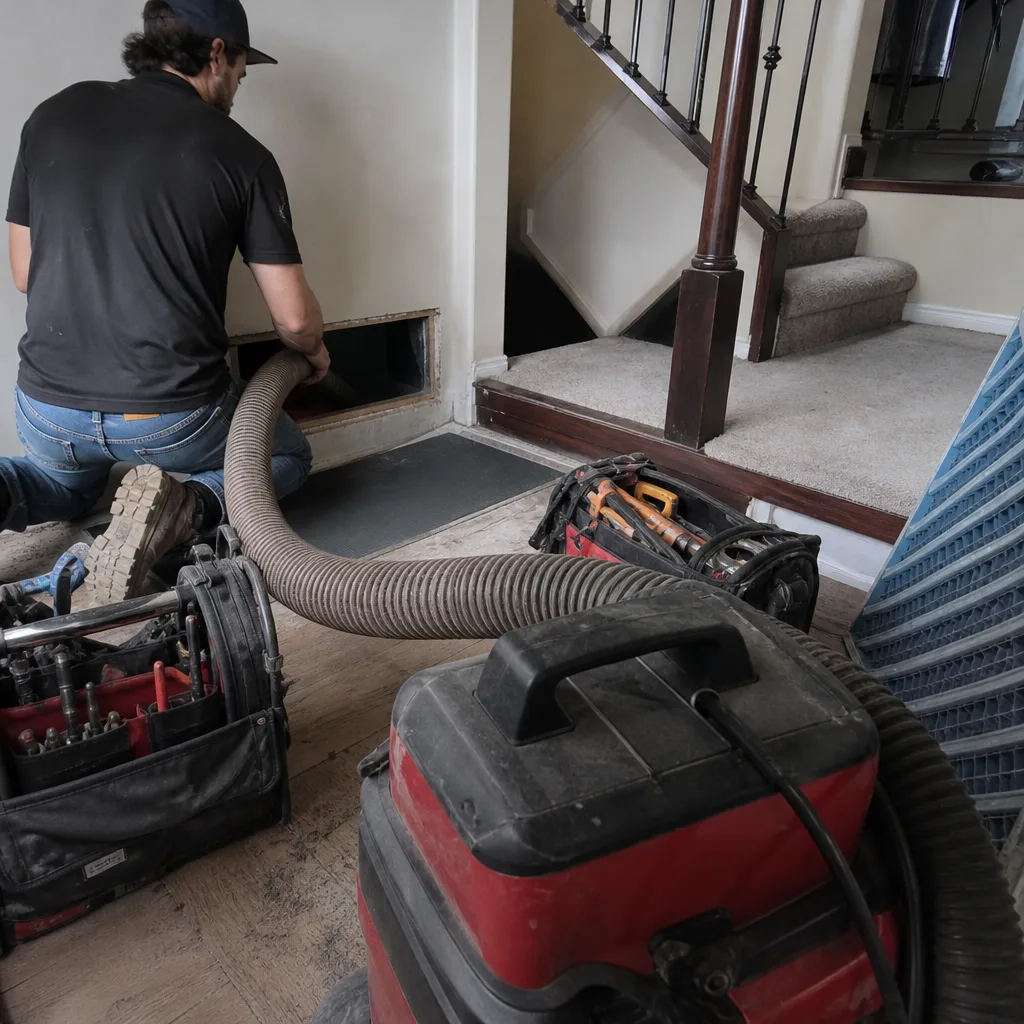 Before
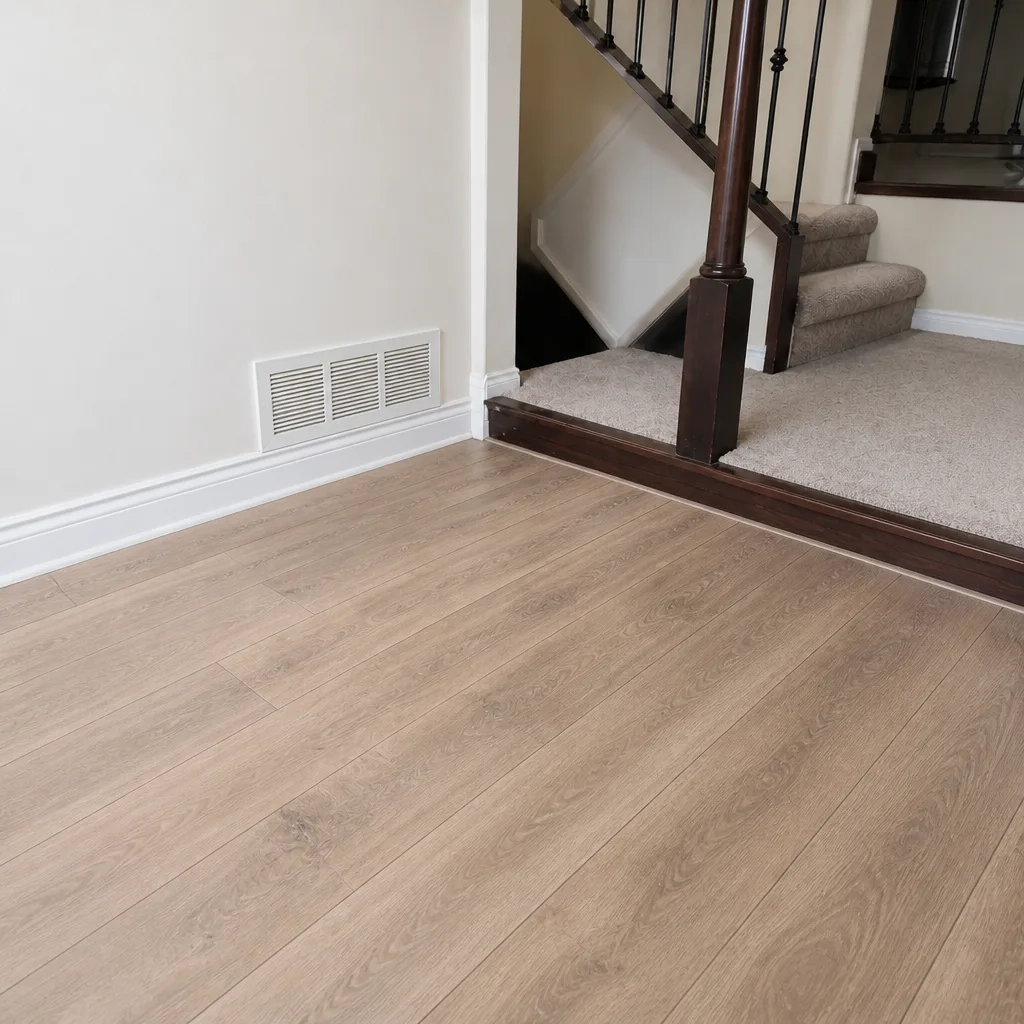 After
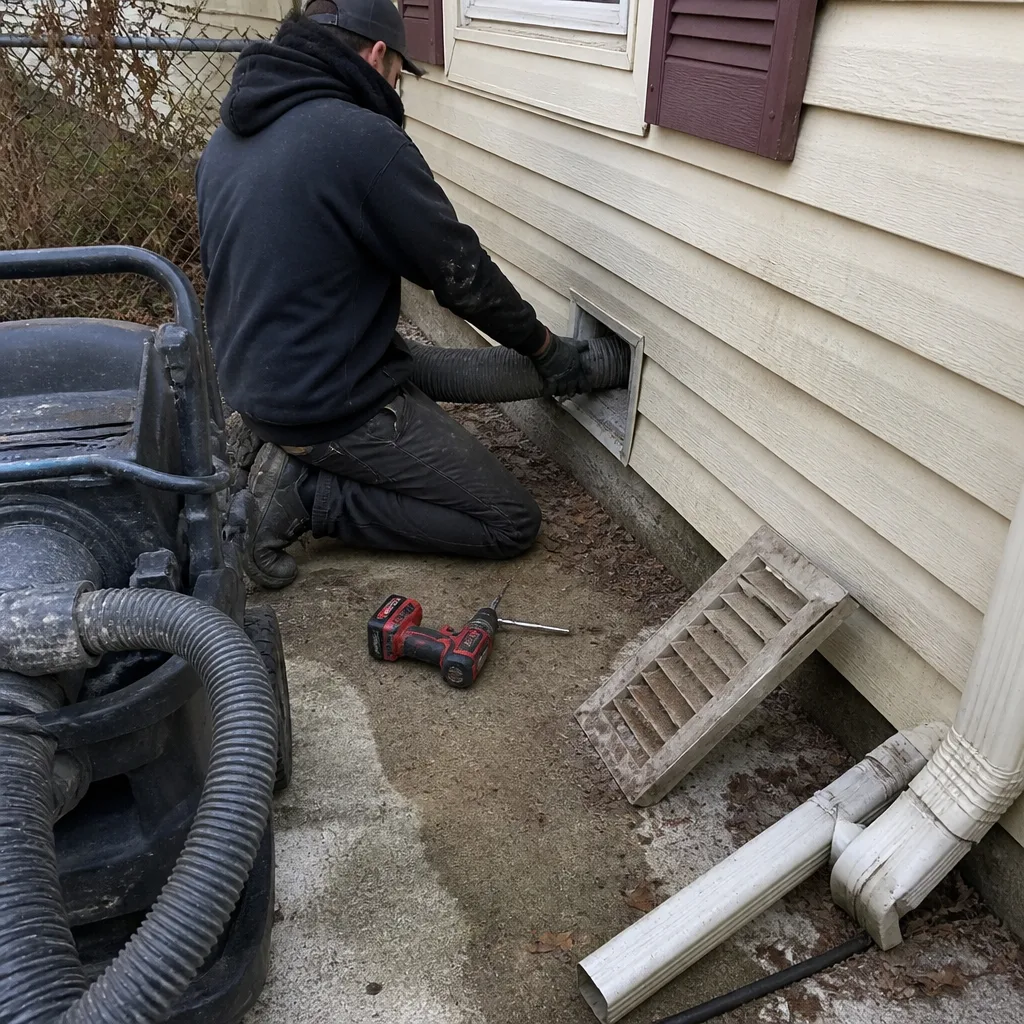 Before
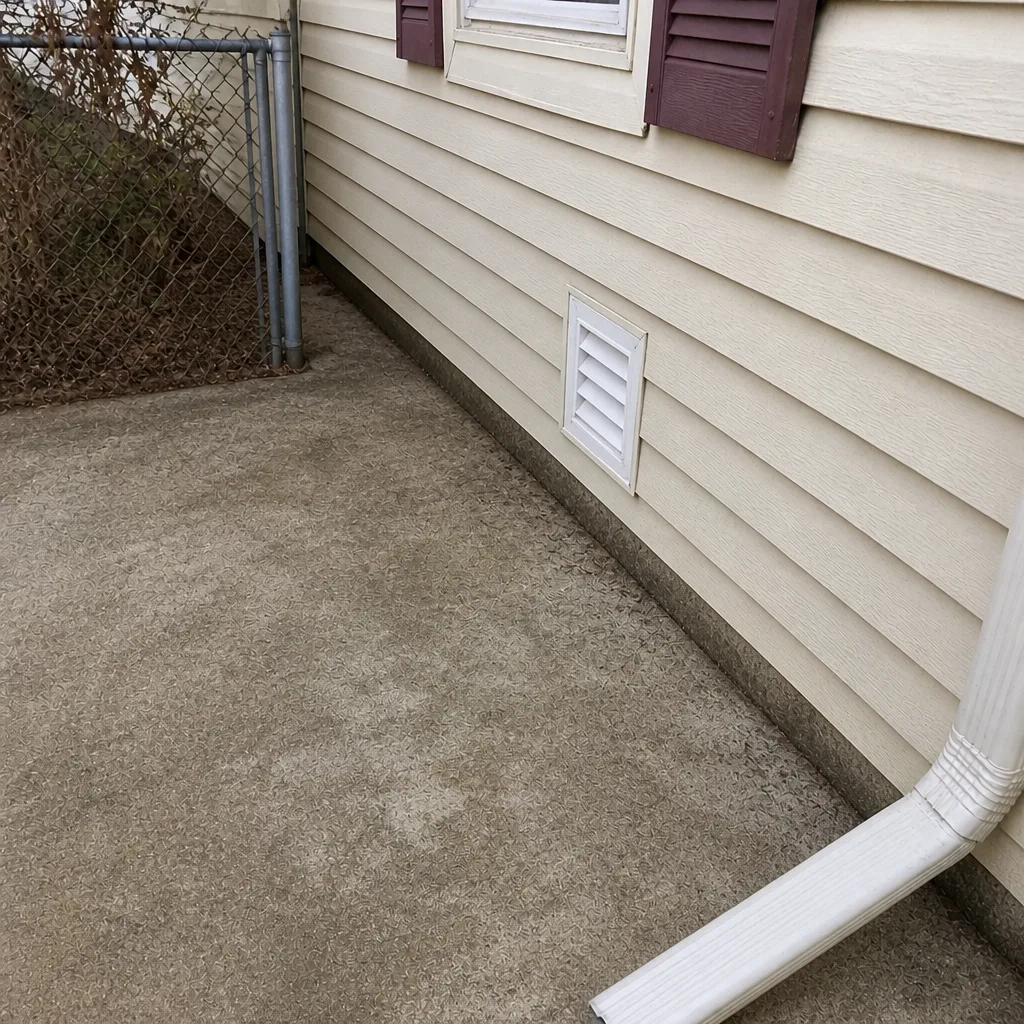 After
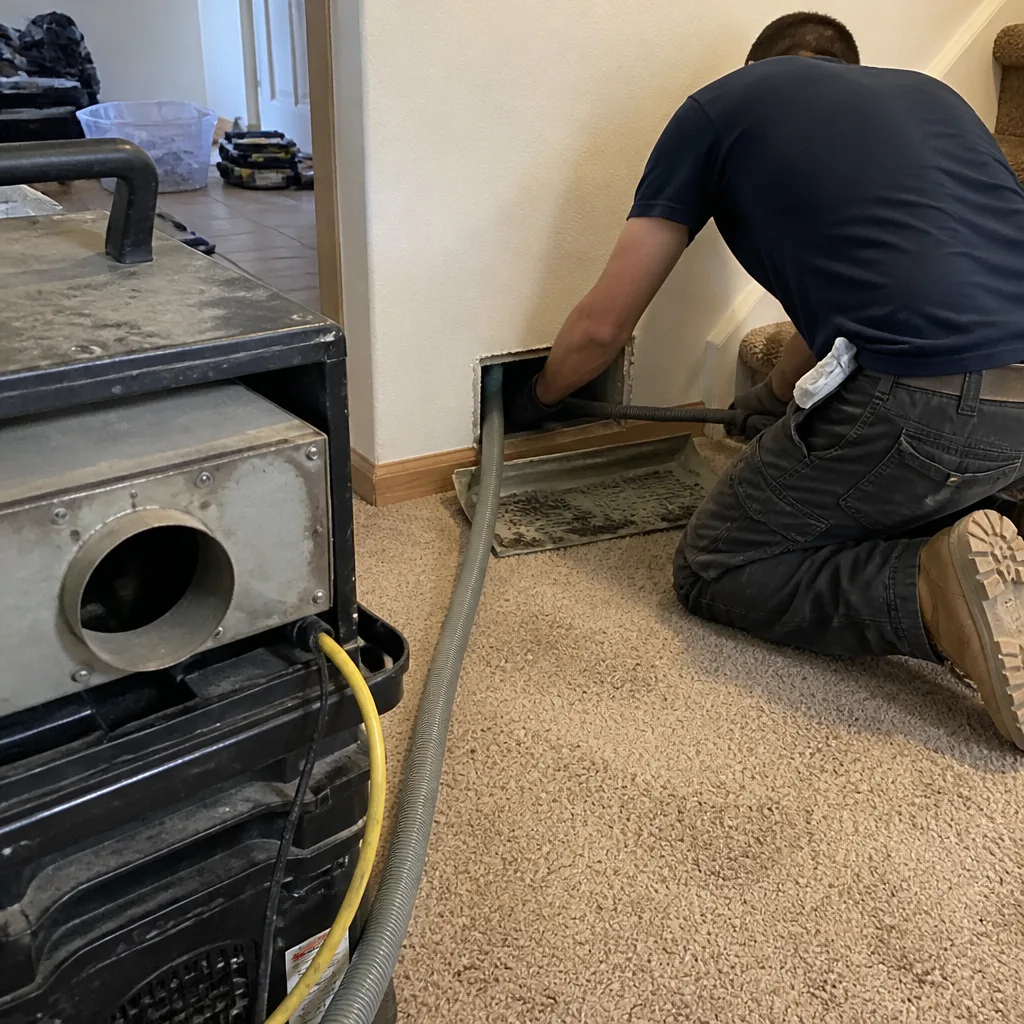 Before
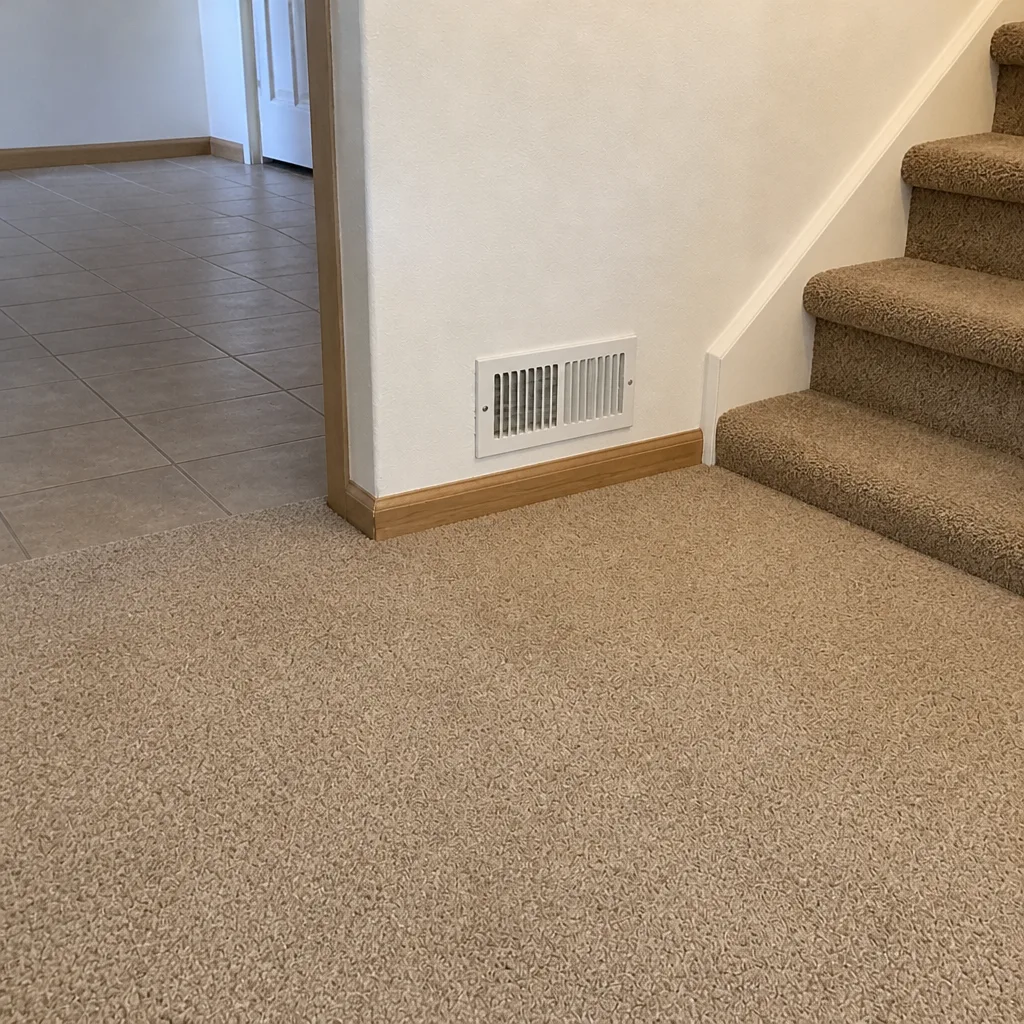 After
When to Call a Professional
Some duct cleaning is optional. Some isn’t. Call a professional when you see visible dust streaking out of a register, when a return grille is caked with debris, when you’ve just finished a remodel that generated dust for weeks, or when a family member is noticing dust and allergy symptoms that track with the HVAC running. Call when you’ve bought a Westminter home and don’t know the last time the ducts were cleaned. Call if the dryer takes noticeably longer to dry a load than it used to – that’s a dryer vent safety issue, not a convenience one. And call if a cleaning job turned up a disconnected or crushed duct that nobody fixed. Ridgeway Air Duct Cleaning offers free estimates in Westminter – call (844) 643-7197 to schedule a walkthrough.
Frequently Asked Questions
Most Westminster homes land between $425 and $600 for a whole-system air duct cleaning in 2026, with a typical range of $375 to $725 depending on linear footage, duct type, and access. Two-story homes with basement returns and multiple air handlers run higher, often $650 to $900. Call (844) 643-7197 for an exact quote – estimates are free.
The cheapest quotes usually leave expensive equipment and complete coverage off the job. A crew using air-only blasting with a consumer-grade vacuum skips the rotary contact cleaning and HEPA containment that make the work effective, and per-vent pricing often excludes return trunks and plenums. Compare quotes by linear footage, equipment, and whether returns are included before deciding. Call (844) 643-7197 and we’ll walk you through what a fair quote for your home looks like.
Before-and-after photos of your own ducts are the proof that matters. A crew that documents the job with photos of the runs it cleaned gives you something you can actually verify, versus a service that leaves no record. Ask for photos before you hire. We provide them on every job – call (844) 643-7197 for a free estimate.
For most Westminster homes, every three to five years is a reasonable interval. Homes with pets, recent remodels, or a lot of foot traffic may need it more often; homes with well-maintained filtration can stretch longer. If it’s been more than five years and you don’t know the history, a walkthrough will tell you whether it’s due. Call (844) 643-7197 for a free estimate.
Yes, when both are due – it’s more efficient to handle both systems on one visit. Dryer vent cleaning is a separate service with its own pricing because it’s a different duct system, but scheduling both together saves a second appointment. Call (844) 643-7197 to get both quoted together.
We note it, show you the photos, and quote a repair separately in writing before any repair work starts. Repair isn’t mandatory, but leaving a disconnected duct alone means the cleaning you just paid for isn’t fully delivering. A single-source provider handles both. Call (844) 643-7197 to schedule an inspection.
The Bottom Line
The gap between a low duct cleaning quote and a fair one is rarely a pricing difference – it’s a difference in what gets done. Equipment class, linear footage, containment, and whether the whole system is covered are the four variables that explain the cost. Compare every quote against those four, insist on a written estimate before work starts, and ask for before-and-after photos when the job is finished. The Westminster pricing ranges in this guide give you a fair benchmark in 2026, and the per-system quote is what protects you from escalation on site. Ridgeway Air Duct Cleaning brings professional-grade Rotobrush, Nikro, and Abatement Technologies equipment to every job, and handles cleaning, dryer vent, and repair as a single source. Call (844) 643-7197 for a free estimate. We answer 24/7. Fast dispatch from 7am to 7pm, Sunday through Friday.
Written by the team at Ridgeway Air Duct Cleaning.